Reuter’s Felix Salmon has an interesting take on the The Daily Mail’s internet success.
The site might be a traffic powerhouse, but the internet is full of high-traffic sites which are worth very little. Traffic, in and of itself, is worth very little, and there’s no indication that readers are willing to pay for Mail Online, or that advertisers are willing to pay much for those readers. (The site’s revenue of $7.2 million is about 0.25% of DMGT’s $2.7 billion total revenue.)
Felix Salmon makes an important point about the web and the fallacy of high traffic – many of the internet’s high traffic sites are of little value.
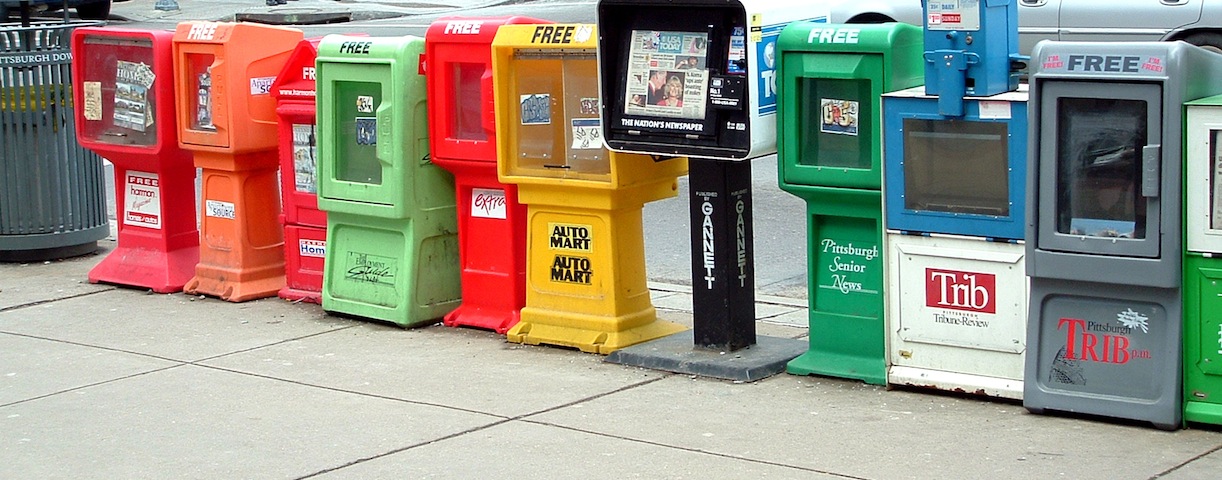
In falling for this fallacy we’re making the mistake of thinking in old media terms where high newspaper circulation numbers or ratings winning TV programs translated directly into advertising dollars.
That model worked because of restricted inventory. There were a limited number of TV stations or newspapers in our cities and regions which most people relied on for the day’s news and entertainment.
In the internet age, inventory is not a problem. We live in an era awash with information and the old models of restricted supply no longer work.
To make money, we have to add value. We can no longer rely on broadcasting licenses or prominent mastheads supported by classified advertisements and real estate puff pieces.
Rewriting other peoples’ stuff in a way that grabs the attention of search engines is a way of getting fleeting readerships but it isn’t adding any value and, as revenues from online advertising continue to fall, it isn’t the way to make money either.
Whoever figures out how to make money out of online news and journalism will be the Randolph Hearst or Rupert Murdoch of the 21st Century. Right now it doesn’t appear The Daily Mail, or competitors like The Huffington Post, will be those champions.
Leave a Reply