Author: Paul Wallbank

  • Uber and the evolving business model

    Uber and the evolving business model

    Last year we looked at Uber and speculated the software that runs the business positions the company to be more than just a hire car booking service with applications in logistics and other sectors.

    This week Uber’s CEO Travis Kalanick is getting plenty of coverage in the media with extensive profiles in both the Wall Street Journal and Wired.

    Wired’s profile of Kalanick and Google raises Uber’s potential in logistics, funded by a $258 million fund raising led by Google Ventures last August.

    “We feel like we’re still realizing what the potential is,” he says. “We don’t know yet where that stops.”

    While Wired speculates about how Uber would perform against Amazon and Walmart, the car service is different in being more of a big data play than its established, possible competitors.

    The three businesses would be very different creatures in the way they would address consumer markets, it may even be that Uber is more suited to being a B2B or wholesale operation rather than a retailer like Walmart.

    Interestingly Kalanick looks at a target of 2,000 staff by the end of this year reports in his Wall Street Journal interview.

    Mr. Kalanick: We have 550 employees. That’s approximate. We’re definitely going to be well over 1,000, maybe in the 1,500 to 2,000 range [by the end of 2014].

    Having a staff target so high is interesting, it certainly indicates Kalanick sees plenty of growth ahead in the business.

    Similar posts:

    • No Related Posts
  • What’s coming in tech for 2014 – ABC Nightlife computers

    What’s coming in tech for 2014 – ABC Nightlife computers

    For the first Nightlife tech spot of 2014 Paul will be joining Kate O’Toole to look at what’s going to big technology news in the year ahead.

    The show has been and gone. If you missed it, you can download it from the ABC Nightlife website.

    A lot of this year’s technology stories will be around things we’ve been talking about for a while, but a wave of cheap devices is making things like the connected car and smart house more affordable and accessible to homes and businesses.

    The Connected car

    While it’s early days for the connected car, in the near future we’ll see them talking to intelligent roadsigns to reduce the roadtoll and to our smart houses to let our airconditioners and kettles know we’re on the way home.

    2014 is going to see these vehicles become common, by the end of next year we’ll be expecting most models to have these features.

    Wearable tech

    We’ve been hearing a lot about Google Glass, but the real advances in wearable tech are in devices like the Fitbit that tracks your daily exercise.

    The next wave of wearable tech will be intelligent clothing, a good example of this is the Mimobaby kimono that measures a baby’s movements and repiration during the night.

    The Internet of Things

    One of the truths of the tech industry is that it loves buzzwords – in recent years we’ve had social media, cloud computing and crowdsourcing – the next big one is The Internet of Things.

    The Internet of Things deserve the hype. With cheap sensors, accessible internet and cloud computing it’s now possible to connect, monitor and analyse everything from cows to refrigerators. This will have big effects on most industries.

    Smartphone wars

    For the past few years we’ve seen the iPhone and then Android, primarily Samsung phones, dominate the smartphone market. This is about to change as a wave of cheap Chinese phones flood the market.

    Expect smartphone and tablet prices to fall dramatically as a range of new devices appear on the shelves. We will probably see Apple and Samsung respond by increasing the features available on their more expensive, higher margin devices.

    3D Printing

    Another technology that’s become affordable in recent years is 3D printing. At the CES show, a new range of 3D printers was released that have cameras so you can make copies of items.

    3D printing is rapidly gaining acceptance and the worldwide makers’ movement is showing what we can do with these machines.

    National Broadband Network

    In Australia the NBN will continue to be the biggest local tech story. Unfortunately the project will remain mired in contractual and political problems as the government tries to figure out exactly what it wants to build.

    While Australia plays games, the rest of the world is getting on a building their networks and Australians can expect the country to fall further behind the global leaders on almost every measure.

    Security

    With the revelations of Edward Snowden we can expect security and privacy to be an ongoing story in 2014.

    As corporations and social media companies struggle with the challenge of storing and protecting customer’s data, there will be more discussion of how we can protect our vital information both on and offline.

    We’d love to hear your views so join the conversation with your on-air questions, ideas or comments; phone in on the night on 1300 800 222 within Australia or +61 2 8333 1000 from outside Australia.

    Tune in on your local ABC radio station from 10pm Eastern Summer time on Thursday, January 10 or listen online at www.abc.net.au/nightlife.

    You can SMS Nightlife’s talkback on 19922702, or through twitter to @paulwallbank using the #abcnightlife hashtag or visit the Nightlife Facebook page.

    Similar posts:

    • No Related Posts
  • Launching Networked Globe

    Launching Networked Globe

    Out of the last six months of travelling, a new project has been born. Networked Globe is intended as a clearing house for news and opinion on the Internet of Things, Machine to Machine and all the technologies that surround these industries.

    The intention is to have a daily update on industry news along with two or three feature pieces a week to start with. If gets legs, and an income, then we’ll be looking at extending the coverage.

    Finding things to cover certainly won’t be a problem, equipment vendors and telecommunications companies are pouring into the space and security issues are already becoming a major concern, as this story on the vulnerabilities of home automation illustrate.

    Hopefully this blog won’t be neglected as the focus shifts to Networked Globe, although there’ll probably be more posts about the usual rollercoaster ride about setting up a business.

    Similar posts:

    • No Related Posts
  • Connecting the vending machine

    Connecting the vending machine

    Wired Magazine’s Klint Finlay speculates why Coca-Cole would want sixteen million MAC address for their vending machines.

    That Coca-Cola has connected all their vending machines shouldn’t come as a surprise, probably the only thing moderately unusual from this story is that the soft drink company organises its own hardware rather than getting the machine manufacturers to do it.

    Vending machines being connected isn’t new, back in the days of dial up modems some of the more advanced one would use phone lines for basic diagnostics.

    Today most vending machines have a cellular connection used for payments, stock monitoring, fault warnings and vandalism detection.

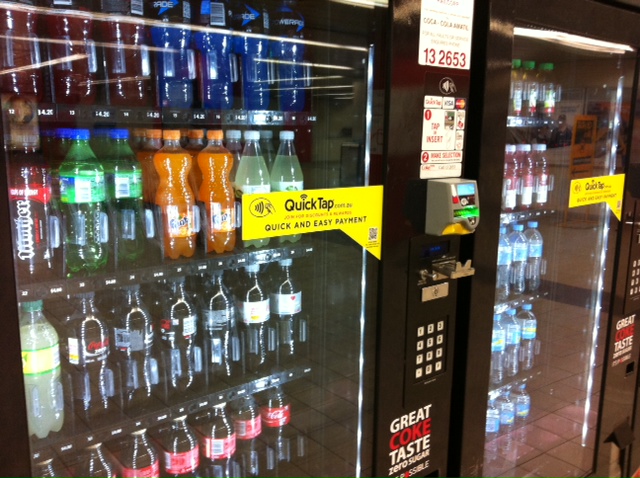
    A visit to my local swimming pool today showed this, the Coca-Cola branded machine machine outside the change rooms offers credit payments and in the not too distant future will probably include some sort of NFC type option.

    vending-machine-prince-alfred-pool-iot

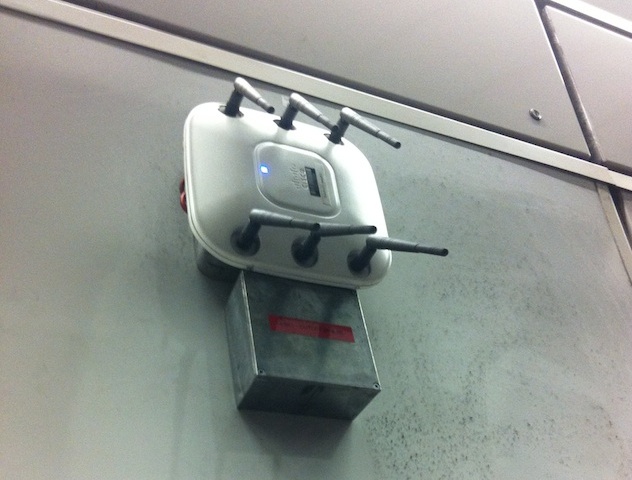
    On top of the the machine is a little aerial for the back to base communications. So the device can validate and bill cards, report back when stock levels are low and alert operators to anything untowards happening.

    Vending-machine-aerial-iot-wireless-connection

    A big opportunity for the soft drink companies and their distributors is analysing the information about buying patterns at various locations — it’s a classic Big Data play.

    So it’s not surprising Coca-Cola has registered a block of MAC addresses as the company will probably need several more 16 million blocks in the not too distant future as more of their operations from bottling plants to vending machines require unique connections.

    Vending machines are a small but obvious example of how the internet of things is evolving, in the near future most consumer devices will have similar options.

    Similar posts:

    • No Related Posts
  • Falling out of love with Google Glass

    Falling out of love with Google Glass

    Media hype is normal in the tech industry, it’s common for a new product to receive swooning coverage in its early days but when the press falls out of love with a device, it can be a harsh breakup.

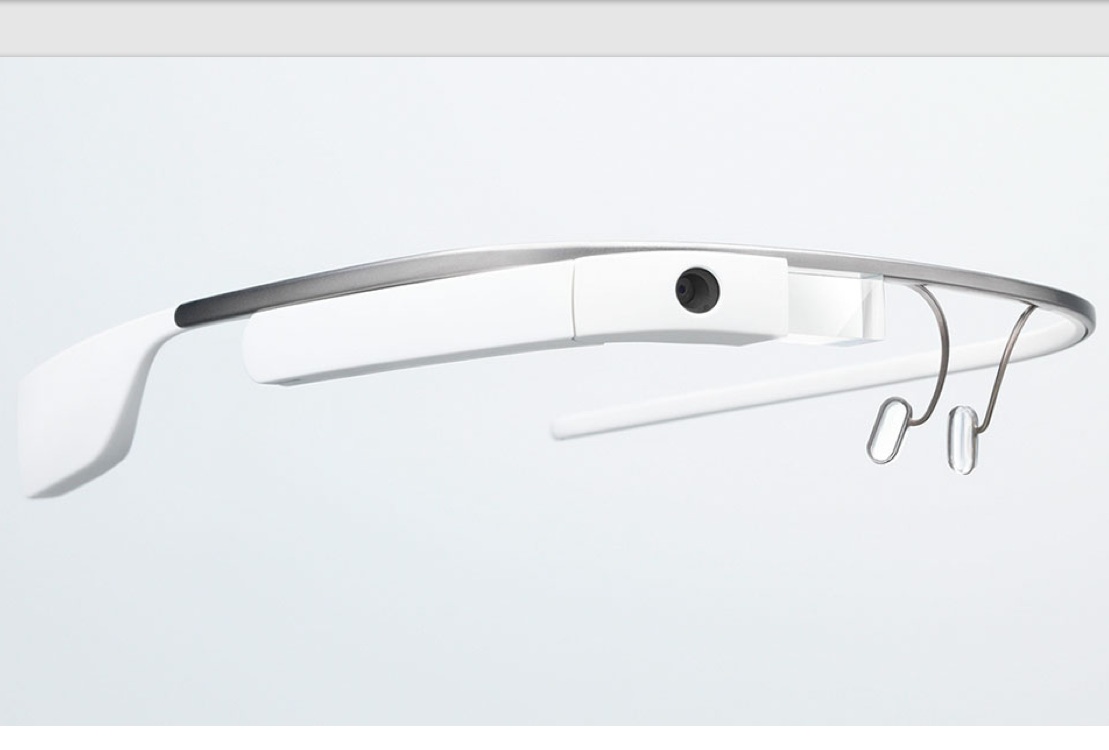
    Google Glass is suffering one of those harsh breakups with with writers and bloggers who were formerly gushing over the product now being publicly unimpressed with the product.

    First out the blocks was Wired’s Matt Honan who described his year as a ‘glasshole’.

    Honan is enthusiastic about the future of wearable devices but doesn’t see Google Glass as being ready for prime time.

    Which is to say, I’m really, really excited about where Glass is going. I’m less excited about where it is.

    Adding to the anti Google vibe was tech maven Robert Scoble who after his year of using the device decided it was too expensive and clumsy.

    Scoble’s point is the current generation of wearable tech is too clunky and user unfriendly to solve the problems it hopes to address.

    Daring Fireball’s John Gruber — who wasn’t one of those gushing over Google Glass — points out this is the exactly why Windows XP tablets were such a failure in the marketplace.

    Gruber also points out another similarity between Google Glass and Microsoft’s attempts at a tablet computer. Each company’s staff were reluctant to use them.

    When your own employees don’t use or support your product, the problem is with the product, not the employees.

    The eating your own dog food mantra cuts both ways; if your own staff find your products unattractive, then you can’t expect customers to warm to them.

    In some ways it’s ironic that Google are receiving press scorn as the company plays the tech media like a violin with privileged insiders getting early access to products create an aura of exclusivity.

    Glass was a classic example of this with a small group of tech journalists getting access to the product, unfortunately those insiders are turning out to be less than impressed.

    Even if it turns out the Google Glass is a failure, it will have been one of the company’s brave moon shots and no doubt what they’ve learned in usablity and mobile data will be very useful to other parts of the business.

    Similar posts:

    • No Related Posts