Author: Paul Wallbank

  • Trust and the cloud

    Trust and the cloud

    The revelations of how the US tech industry has entwined itself with US spy agencies continue with The Guardian reporting that Microsoft gave the NSA access to their encryption services.

    For Microsoft this is very embarrassing as the company has always strongly emphasized their security, that US government agencies turn out to have the keys to those systems will worry many foreign governments and businesses.

    Like everything in business, cloud computing services require trust and this continual stream of revelations will shake the trust of many customers.

    It may well be that the NSA revelations will boost the fortunes of non-US companies, Swiss companies are already reporting soaring sales since the leaks began and it may be that other nations may profit from the suspicions.

    While cloud computing isn’t going away, many people will be thinking seriously about the services they use and whether they can trust them.

    Similar posts:

  • Are apps killing the text message?

    Are apps killing the text message?

    One of the great accidental successes of our times has been the Short Messaging System – or SMS – which was designed as a control function on GSM mobile phones.

    In 1993, telcos in Finland started offering SMS as a feature and Nokia began supporting the service on their phones.

    Text messaging quickly became a worldwide success as mobile phone users found sending a text message was often more convenient that calling someone.

    As the marginal cost for providing SMS is effectively nothing, the feature being built into equipment, the service was a goldmine for mobile phone operators. However the tide might be turning as apps take over.

    This was emphasised in a submission by telco Optus to the Australian Competition and Consumer Commission on some regulatory changes governing mobile connection costs where the provider raised the point that the rate of SMS growth is slowing.

    First, while SMS usage has grown significantly since 2009, the rate of this growth has slowed significantly over the last year few years. This slow-down is largely due to greatercompetition from IP-based over-the-top (OTT) messaging services.
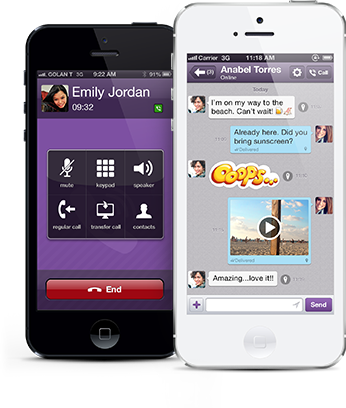
    Over The Top services is telco jargon for apps that replicate phone functions, like Skype or Viber and these are expected to start taking a chunk from telco revenues.
    While Optus’ submission is somewhat self serving as they are using the claim as an argument to get more protection, it may well be that telcos are seeing the age of what was the golden goose of SMS coming to an end.
    If so, it will be the death of a technology which, for a short time was a very lucrative one.

    Similar posts:

  • Re-inventing management with social media

    Re-inventing management with social media

    Yesterday I went along to hear Telstra’s Paul Geason speak at the American Chamber of Commerce lunch in Sydney.

    Geason, who is Group Managing Director for the company’s Enterprise and Government division, was speaking on some of the findings from Telstra’s Clever Australian program along with some of the technology trends he’s encountered in big business and public organisations.

    The bulk of Geason’s presentation I reported in an article for Comms Day, and much of his observations about enterprise technology trends wouldn’t surprise keen observers of the industry or regular readers of this blog.

    What did stand out though were his comments on how social media is changing management behaviour at Telstra where over 25,000 registered users of the company’s Yammer platform have direct access to the company’s CEO, David Thodey.

    Social media is just going crazy. Within Telstra now we have over 25,000 of our staff registered on Yammer. It has been a phenomenon. It’s playing this really interesting role of breaking down the hierarchy in our organisation.

    Which is not just because of the technology but it’s also got something to do with our CEO.

    He is on Yammer just about every single day of the week. There is not an issue that hits that site that he won’t pick up and direct to the right place to get it to the right place and have it dealt with.

    Our people love it, they would never have imagined they could get that level of access and input and intervention from the CEO.

    There’s a certain transparency that has come to our organisation that didn’t exist previously which is really great for the levels of engagement of our people and very challenging for us as leaders in having to deal with that level of visibility that was not there before.

    I think it’s really changing how organistations are operating.

    Paul Geason’s comments are a good example of changing management structures. Not only does it bring accountability to executives, it also means organisations can respond quickly to changing marketplaces – something covered in the Future of Teamwork presentation back in 2010.

    A few years ago, no-one would have thought of Telstra as being an open, collaborative organisation yet today it’s gone quite a way down the path to becoming one.

    The key though to this is having senior management buying into the process. Without that leadership many companies might be facing a tough future.

    Similar posts:

  • Five years of the app store

    Five years of the app store

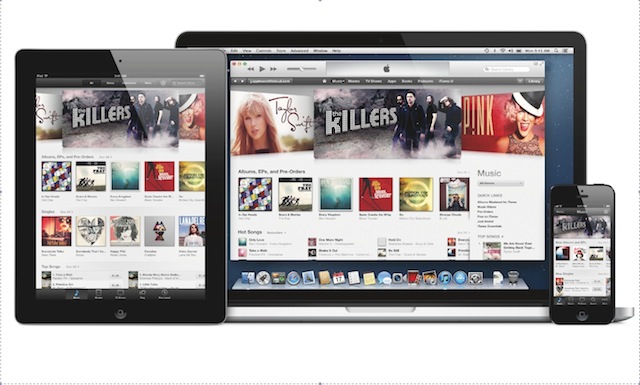
    It’s been five years that the Apple App Store has been open for business. in that time they’ve revolutionised the smartphone industry, reinvented the tablet computer and had fifty billion downloads.

    While the App Store wasn’t an original idea, plenty of telcos and handset manufacturers, had them, Apple were the first to get the formula right for the iPhone.

    Their success in changing the smartphone industry lead to their dominance of the tablet industry, another sector which had settled incumbents who were disrupted by Apple’s entry into the market.

    It’s notable how in both the smartphone and tablet markets, the established incumbents were struggling with the same business model that Apple got right. This is something other industries should pay attention to.

    Similar posts:

  • Trolls never sleep – Social media and the twenty four hour business

    Trolls never sleep – Social media and the twenty four hour business

    One of the truths of social media is it gives idiots an opportunity to expose themselves for what they are.

    For businesses using social media idiots posting stupid or offensive content on the company’s site or Facebook page can do a lot of damage to their brand and reputation.

    This is the problem Australian airline Qantas faced last week when some fool posted a pornographic image to one of the company’s promotions pages.

    As the Sydney Morning Herald reports, the father of an eight year old reported an inappropriate post to the airline after his son found the image while visiting the Qantas Wallabies page. He was allegedly told by the company’s social media staff “there was nothing we can do about it.”

    The father points out correctly that both the airline and Facebook are 24 hour operations so claiming a post that is put up at midnight – one assumes Eastern Australian time – is out of hours seems to be disingenuous.

    Until recently, businesses had given social media responsibilities over to the intern or the youngest person in the office. While organisations like Qantas have moved on from that, they largely leave these tasks with the marketing department.

    While marketing is a valid place for social media responsibility – it’s probably the most obvious area to establish a return on the functions – it leaves organisations vulnerable to out of hours customer service and public relations problems.

    Social media doesn’t knock off at 5pm and spend the evening a bar like the marketing department, it’s on all the time and customers are using it to complain about problems while twits and trolls are gleefully posting things to embarrass businesses.

    For those businesses who do operate on a 24 hour basis, and probably all big corporations, it’s no longer good enough for the social media team to just operate during office hours.

    Smaller businesses have a different problem – most don’t have the resources to keep a 24 hour watch on their Facebook page but the effects of a social media disaster could be proportionally far greater – so they shouldn’t be overlooking regular checks on what people have posted to their business sites.

    What’s happening in social media is part of a broader trend in the global economy that’s been going on for thirty years as the pace of business has accelerated. It’s something that all managers, entrepreneurs and company owners need to understand.

    Similar posts: