Author: Paul Wallbank

  • Microsoft’s lost decade

    Microsoft’s lost decade

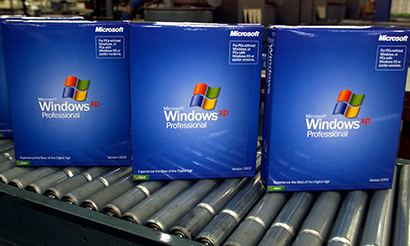
    Amid the discussion of Steve Jobs standing down as Apple CEO last week, a quiet milestone was passed. Ten years ago last Wednesday, Microsoft released to manufacturers their latest operating system, Windows XP.

    Windows XP turned out to be the most successful computer operating system ever and probably marked the peak of the personal computer era.

    The glitz and glamour of the Windows XP launch showed the power of Microsoft at the time – their products dominated the desktop markets, Apple were crawling their way back to profitability and relevance with the iMac while mobile phones were barely capable of sending anything more than SMS messages.

    In 2001 the business model of Microsoft was built upon the perpetual upgrade cycle, as computers were expected to last three to five years which would then be replaced by new systems requiring an updated operating system with the latest office software.

    Ensuring maximum revenue from the upgrade cycle, Microsoft encouraged retailers to sell XP systems with bundled software locked to the individual computer, these “deals” made sure users would have to buy new programs when the existing machines were replaced.

    The three year upgrade coupled with the need to buy new software every time made Microsoft’s model seemingly unstoppable in 2001, but problems were already developing for this strategy.

    A major part of breaking the “upgrade every few years” mentality was the late running of Longhorn, Windows XP’s successor, which was released as Vista three years behind schedule and the product’s poor quality meant customers were reluctant to upgrade.

    Unfortunately the market rejection of Vista and the wait for the next version of Windows saw the rise of reliable and affordable cloud based services, that ran on web browsers which made the need to upgrade less pressing. Today many people are quite happily running seven and eight year old computers that meet their needs adequately.

    It would be foolish to write Microsoft completely as their revenue is still strong and in the past they have seen off major threats like Netscape and the web in 1995 and the rise of cheap Linux based netbooks in 2007. Google’s takeover of Motorola and HP’s abandonment of WebOS may open new opportunities for Microsoft on tablets and mobile phones.

    For businesses, the immediate lesson is to look closely at upgrading options however for managers and owners there’s a much bigger lesson when looking at how Microsoft lost its way in the last decade despite a seemingly untouchable and lucrative business model.
    Similar posts:

  • Be careful with your Google Places listing

    Be careful with your Google Places listing

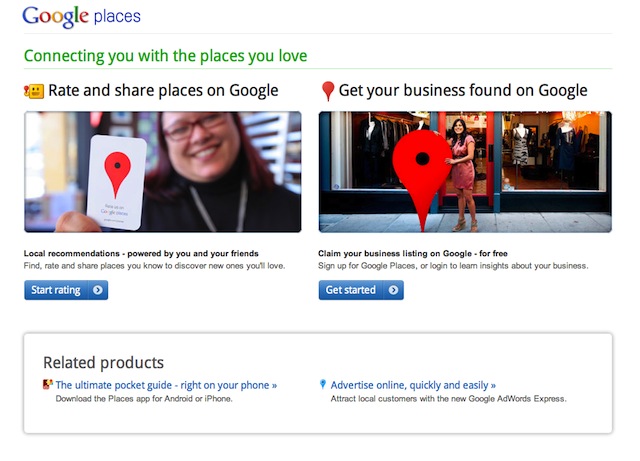
    Google Places is a service that every business should sign up to, however Google’s policies at the moment mean you have to take care with how you use the listing.

    At present Google are enforcing their listing rules in unpredictable ways and we’re hearing businesses are having their accounts suspended for what appears to a misreading on Google’s part of their own policies.

    More importantly, there are stories of businesses who have updated their details and found their listing goes into “pending” status and their page is pulled from local search results until their revisions are reviewed by a Google staffer.

    Often when the review is done, the listing is denied as being in breach of the rules which effectively bans the business from Google Places until the error is fixed.

    Fixing the problem is difficult as the Google rejection emails are cryptic and, unfortunately in this era of the social business, come from a “no-reply” account with no sign off name, so there’s no way to find out exactly where the problem lies.

    Given the uncertainty around Google’s policies in this space, it’s best not to make any changes to your Google Places account unless it’s absolutely necessary to update essential information.

    If you haven’t already listed your business on Google Places, we’d still urge you to do so. Just make sure you get all of your details correct and pictures uploaded before you submit the entry.

    Similar posts:

  • The online review challenge

    The online review challenge

    Last Christmas a group of office workers gathered at a city hotel to celebrate the year’s end. The meal was a disaster as slow, surly staff made mistakes and delivered poorly cooked food.

    Within an hour of the workers returning from lunch, negative reviews of the hotel started appearing on the Eatability and Urbanspoon websites. By the time Christmas Day rolled around, the reputation of the establishment was throughly trashed.

    The rise of online review sites along with social media services like Facebook challenges many businesses, particularly those in the hospitality industry as café owners, restaurateurs and hotel managers struggle with unfavourable comments about their establishments.

    Customers now research on the web before deciding to dine out or make a purchase, so online reviews can make or break an establishment. How does a business make sure their online reputation is safe.

    Pay attention

    The most important part is to pay attention to what people are saying about your business.

    Big corporations will have their own social media staff and community managers to handle much of this, Telstra last week announced their online team will now be on the web 24/7.

    Larger organisations will also subscribe to online monitoring services like BuzzNumbers and PeopleBrowsr to report what’s being said about them.

    For smaller businesses it falls on the owner and staff to keep an eye on the popular review sites and to monitor the business’ Facebook page for negative comments.

    Engage the critics

    No matter how good your business is, you will get the odd unhappy customer. When that happens you need to contact them, preferably through the same public forum they have complained about you.

    Once you’ve established contact, take the discussion offline onto email, phone or even face to face meetings. If the resolution is positive, try to publicise the result in the original channel the complaint was made.

    Fix the problem

    Despite many in the hotel industry believing that most online complaints are deliberate campaigns against them, regular complaints are usually legitimate and indicate an underlying systemic problem in the business.

    If customers are complaining about service, you need to let your staff know customers are talking about them. Should there be regular criticisms of your food, then you need to talk to your kitchen staff or suppliers.

    Don’t get defensive

    Complaints happen. Even the best business in the world has a bad day or encounters a customer who woke up on the wrong side of bed.

    If you think the criticism is unfair or even defamatory, don’t get angry and certainly do not make threats as you’ll only inflame the situation more.

    Should the customer turn out to be unreasonable, at least by having publicly engaged them you’ll have shown the public you’re calm, professional and trustworthy.

    Don’t Lie

    The web is as great at exposing falsehoods as it is at spreading them. If you’re clearly not telling the truth, you’ll make your critics angrier and more determined to damage your reputation.

    A common way many businesses cheat online is with false reviews. Despite industry claims that organised damaging comments are widespread, the reality is the opposite as many hoteliers and restaurateurs frequently post clumsy and obviously fake glowing reviews of their establishments. It’s a bad look and the establishment often ends up looking foolish.

    Get your website right

    Many businesses, particularly in hospitality, have lousy websites or a site that has no Search Engine Optimisation (SEO) so when someone searches for a hotel or restaurant their page comes up way below those for review sites or critical blog posts.

    Regularly review how your site is doing and talk to your web designer or SEO consultant on making sure it’s coming up well when customers search for your type of business.

    It’s important not to overlook local search services so ensure your business has been listed on Google Places and has a Facebook Local Business Page otherwise local searches will go to the online review sites or your competitors.

    Ultimately, the best way to deal with negative online reviews is to minimise them by running a good business. The biggest effect the web is having on business is that it is making us accountable to our customers.

    As big corporations are finding, the days of covering up poor goods and indifferent customer service with marketing is over – if your product doesn’t match the promise you make to your customers they will tell the world.

    Similar posts:

    • No Related Posts
  • Is the PC dead?

    Is the PC dead?

    The Personal Computer may not be dead, but Microsoft are still going to be challenged in a world where consumer and business buying behaviour has changed.

    Last week Frank X. Shaw, Vice President of Corporate Communications at Microsoft, pondered the question of whether the Personal Computer era is over

    Given the PCs importance to Microsoft’s business it wasn’t surprising that Frank decided it’s not, declaring the personal computer barely middle aged at 30 and ready to take up snowboarding.

    Leaving the image of using a Windows Vista equipped laptop as a snowboard aside, the question for many businesses and households is should they buy a personal computer, either as a desktop or portable, in an era where smartphones and tablet computers like the iPad are becoming common? This is even more pronounced given the low cost of ownership for a smartphone or tablet.

    The first thing is to consider is can the non-PC devices do what PC can?

    For most people the answer is “yes”, particularly given most users are accessing cloud based and social media platforms that run on any web browser. However many prefer to have the options to connect keyboards, printers and scanners, which is expensive and clunky with tablets and smartphones.

    While many users could do most of their tasks on a tablet or smart phone, many prefer the utility and expansion options of desktop and portable PCs not to mention using a keyboard and mouse, although the latter points may change as the current generations give way to workers and computer users more used to touch screens as an input device.

    The cost of ownership is always a killer and the traditional rule of thumb that the purchase price of computer only represents a third of its cost over the device’s life has become skewed as PC prices have dropped along with other costs like Internet access and expensive printer consumables have increased.

    For PCs, the problem is tablets and smartphones have far fewer of the ancillary costs like anti virus software and apps through iTunes, Android or Windows Marketplaces tend to be either free or substantially cheaper than their personal computer counterparts, which skews decisions towards buying a tablet.

    Those apps however tend to be far more lightweight than the equivalent PC counterparts and tablets or smartphones don’t have the editing capabilities found on personal computers.

    Probably the biggest win for PCs however is that smartphones and tablets are still designed to be tethered to a PC or laptop. While a user can get away with a mobile device that never connects to a computer, they’ll almost be certainly missing out on a lot of the device’s functionality.

    So the PC isn’t dead yet, its role in the home and office is evolving and this is recognised by most businesses and consumers as they tend to be buying them to complement desktop and laptop computers.

    For Microsoft this is not necessarily good news as the PC sales model is broken.

    Until the mid-2000s, most corporate and home users replaced their PCs every five years and this was reflected in Microsoft’s product roadmaps.

    The overdue arrival of Microsoft Vista in early 2007 changed this as not only was the product late, it was also bad and customers stayed away.

    As a result customers have now learned that they don’t have to upgrade every few years and today nearly half of Microsoft’s customers are still using Windows XP, a ten year old operating system.

    So for Microsoft, the good news is the PC is not dead in an era of cloud computing and social media, but making money out of it is becoming harder.

    Similar posts:

    • No Related Posts