Author: Paul Wallbank

  • The lost generation of computers and Microsoft’s new opportunity

    From March 13 Google will cease supporting older browsers like Internet Explorer 6. This presents a great opportunity for Microsoft to grab the lost generation of computer users.

    The lost generation are the computer users who’ve skipped the last few five year cycles of computer upgrades. There’s two reasons for this; Windows Vista’s well deserved poor reputation and the concept of Good Enough Computing.

    While Vista has a lot to answer for, good enough computing iss the main villain — for most household and business users, a Pentium IV running Windows 98 or XP with Internet Explorer 6 was good enough for their daily computer needs.

    So Google’s move to abandon older browsers is going to force many of that lost generation to upgrade. This means those running computers more than six years old will probably be looking at new systems rather than the expense and compromises of upgrading.

    A year ago, the smart money would have been on many of those new machines being netbooks running Linux with a good proportion of Apple Macs, however Microsoft’s release of Windows 7 has turned the tables and it’s fairly safe to say most upgraders will be sticking with Windows.

    Which is a great opportunity for Microsoft to claw back market share and revenue although this doesn’t come without its challenges.

    Microsoft’s challenge lies in convincing buyers to upgrade their other software. Many of these people will baulk at spending several hundred dollars on new office, photo editing or entertainment software and given much of it is available as cloud based systems the asking price will be steep.

    For home and business computer owners the next month will be the time to consider if your older computers are due for an upgrade. If you find they stop doing the things you want or are are slow and unreliable then it might be time to consider your upgrade options.

    Similar posts:

    • No Related Posts
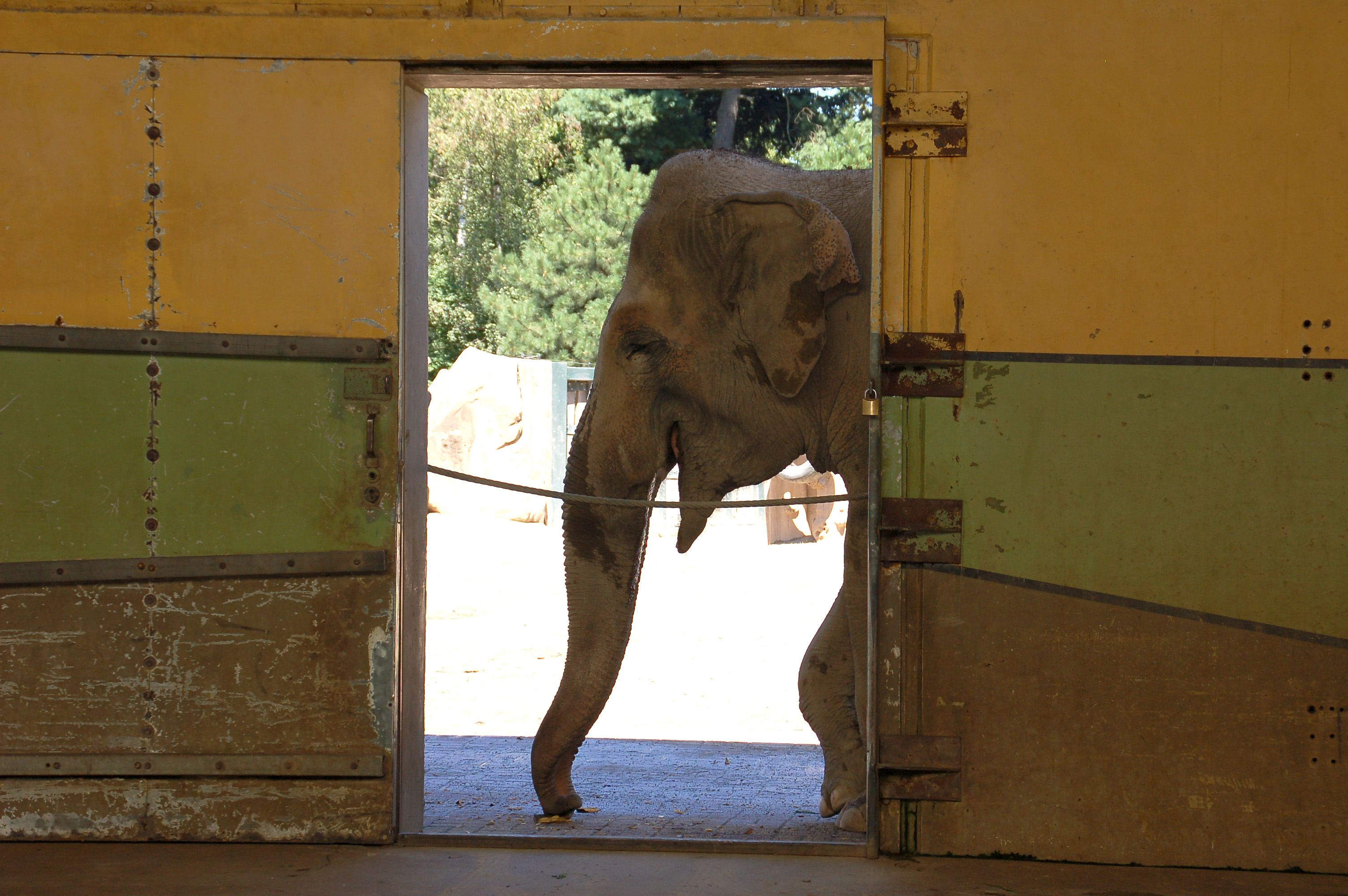
  • The elephant in the room; why online publishing is very sick

    The elephant in the room; why online publishing is very sick

    Media 140’s Sydney meetup last week attempted to discuss the future of journalism. While it wasn’t really successful, it did expose the fundamental flaw in the online publishing model and the other crowdsourcing business ideas that rely on cheap or free labour.

    All three panellists agreed that as publishers “The sustainability of our business is very much linked to the quality of content.”  because with several million online voices a site needs compelling and relevant content to attract and retain readers.

    Yet every panel participant agreed the cost of content is falling and in many cases is now free.

    There lies the paradox; if content is so valuable, why is it so cheap or even worthless?

    The model for online publishers is the same as it was in the days of every city having three evening newspapers or when the six o’clock TV news was the most watched show on television. Compelling content attracted readers and viewers which in turned attracted eager advertisers.

    In the days of metro evening newspapers and the six o’clock news there were substantial barriers to competition with printing presses, broadcast licenses and distribution networks required. Today anyone who can afford $10 a month for website hosting can be a publisher.

    Worse, the rates for online advertising are plummeting and with the site owners only making a few dollars there’s little for publishers, let alone the content creators.

    Which brings us back to the fundamental problem, if there isn’t any money for those who create the content then there’s little point in the middle men distributing it.

    Many of today’s online publishers are like the loom weavers of the early 18th Century who derived a short term benefit from the change that eventually destroyed them. The same forces that make journalists work for nothing are the same ones that will render the bulk of publishers insolvent.

    And that could be where the future of journalism, writing and publishing really lies — the bulk of the industry eking out an existance providing commoditised, generic pap and a few niche publications with readerships that attract  good incomes that in turn can pay a small number of  writers.

    That’s certainly the model the panel at Media 140 are betting on and I hope they all do well.

    Similar posts:

    • No Related Posts
  • The Future of Journalism

    The Future of Journalism

    Last week’s Media 140 meeting in Sydney looked at the future of journalism and how publishers are paying, or rather not paying, contributors to their online publications.

    The evening was well documented by Martin Cahill and the message was clear — publishers are not going to pay for content because even if they want to they can’t afford it.

    The prevailing view was journalists will have to learn how to multi task; but given YouTube is even more poorly rewarded than online journalism, it’s unlikely sites will be any more generous to video or audio contributions than they are to text contributors. Which only suggests a future of journalists doing more work for no money.

    Valerio Veo, Head of SBS News and Current Affairs Online pointed out SBS is paying a 19 year a $1000 per contribution for covering Obama’s visit to Indonesia.

    Ignoring this is pocket money in terms of sending a camera crew and traditional reporter, the fact SBS are one of the few Australian organisations paying online contributors suggests ABC Managing Director, Mark Scott’s, view at a previous Media140 that only government supported organisations will be able to afford to pay journalists is part of the future is correct.

    So what is the future of professional journalism? Will it be restricted to a few subsidised outlets? Is it the gifted amateur contributing for their love of the masthead? Or is it that of the professional pushing their own or their employer’s agenda?

    Maybe journalists will become editors cleaning up the shoddy contributions of not so gifted writers that have the only benefit of being free. Could it be that curating other people’s content will be the role of future journalists?

    Or perhaps journalists are the new poets, starving in garrets and working in desperate jobs while waiting for the phone call from the ABC, BBC or PBS, penning great works that will lie undiscovered on obscure blogs which will only be found after their passing?

    We didn’t really glimpse the answers at Media140 and this is an important discussion to have as the rise of the digital sharecropper isn’t confined to journalism.

    Many professional and white collar occupations are going the same way and we need to understand what this means for large parts of our economy. Even if we choose not to discuss it, it’s the reality we face.

    Similar posts:

    • No Related Posts
  • The company you keep

    It’s an old but true saying that you’re judged by the company you keep and this applies online as much anywhere else in personal and professional life. Last week I was reminded of this three times.

    Early in the week I was asked if connecting with someone on LinkedIn was an endorsement. I thought that was an odd question as LinkedIn has a separate function for recommendations and so I didn’t pay it much attention.

    A few days later an industry group leader told me she’d assumed an individual was legitimate because I was a member of their LinkedIn group. While it was a compliment to think my opinion meant that much, it worried me as I didn’t really know the group’s founder and I certainly wasn’t endorsing his business.

    Finally, at the Media140 Conference in Perth last Thursday, employment branding specialist Jared Woods gave an interesting overview of how an Engineering firm deals with social media issues in the workplace.

    Jared described the company’s  basic rule was if you state that you work for the organisation then you have to act professionally and in a way that doesn’t discredit yourself or the company. Which means no more drunken photos posted on Facebook or joining bad taste causes and online groups. By all means post silly pictures, but forget mentioning who you work for.

    The killer line from Jared was social media gaffes can not only damage a business but they can also damage employee’s professional reputations. Just as the employee is part of the brand, staff have their own personal brands.

    This isn’t new, there’s dozens of true stories of how people have lost jobs through inappropriate blog or Facebook postings and ten years ago the infamous Claire Swire incident nearly cost a group of young London lawyers their jobs .

    All of these examples show just how important it is take care with everything you do online. You are not anonymous and most things you say and do on the Internet will be stored somewhere.

    So play nice and remember not to post anything you wouldn’t like to see next to your name on the six o’clock news.

    Similar posts:

    • No Related Posts
  • The beast in the machine: Protecting your online profile

    The beast in the machine: Protecting your online profile

    Every village has an idiot and there’s a particular brand of idiot who’s attracted to the perceived anonymity of the Internet.

    Being big communities, online networking sites like Facebook and MySpace combine the problem of having a lot of idiots who think they can’t be held responsible for what they do in cyberspace.

    Last week we saw this with the shameful behaviour on Facebook where posters defaced memorial pages to a murdered girl. That disgraceful episode shows why it’s important to take precautions against idiots online. Here’s some ideas on protecting your online profile;

    Take responsibility

    You are responsible for what you post so if you create a Facebook fan page, LinkedIn group or blog then you need to maintain it, particularly the comments. If the posters become unwieldy then you need to moderate them or turn off visitor comments. Remember too that you are responsible for comments you make and the messages left on your site.

    Be careful with joining groups

    In life you are judged by the company you keep and the same applies online. If you join a group full of idiots you’ll be identified as one of them. Worse, those fools will be attracted to people they consider to be like minded. Think twice before accepting invitations.

    Choose friends wisely

    It’s tempting with Internet networking sites to try and get as many friends as possible. That misses the point of these tools and it increases the likelihood idiots will become part of your circle. Only allow people you know to connect. Using Facebook for family and friends while referring business colleagues to LinkedIn is a common way of separate work and social life online.

    Avoid strangers

    We tell our kids not to accept lollies from strangers yet many otherwise sensible adults link up with people they don’t know. Avoid doing this unless you are absolutely sure of who they are. The famous cartoon of “on the Internet nobody knows you’re dog” is true of thieves, stalkers and all manner of knaves.

    Hide your details

    Don’t go overboard spilling out your personal life to strangers. The more details you give out, the easier it is for troublemakers to find you or steal your identity. Keep the musings about your cats and your children to your close friends.

    Used well, Internet networking tools are a fantastic feature of the Internet which can enrich your life and the lives of those around you. however all tools can be misused so be aware of the risks of these tools and act responsibly.

    Remember if things get uncomfortable you can hit the delete button and turn the computer off. It’s best to do that at the first sign of trouble.

    Similar posts: