Category: computers

  • Who will win the race for wearable computers?

    Who will win the race for wearable computers?

    The news that wearable technology company Recon has secured funding from Intel and shipped fifty thousand devices reminds us that it’s not just Google who are in the market developing glasses that work as computers.

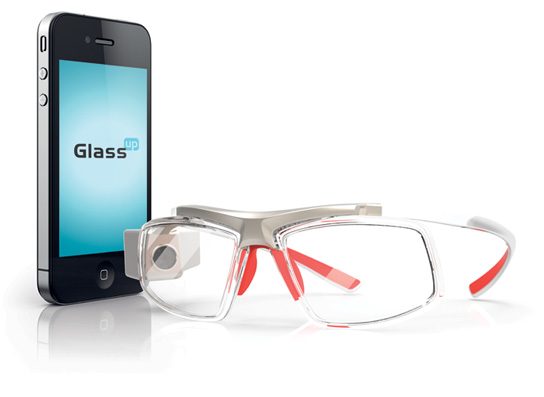
    Other companies competing with Google include Glass Up, an Italian startup that’s teamed with Australian company Nubis to provide a wearable device that’s controlled by a smart phone app.

    It’s tempting to think that the battle for wearable technology will be won by Google as they are biggest and best funded company, but history shows us size and incumbency don’t always guarantee success.

    Google themselves have failed many times when they’ve tried to enter new markets, regardless of the money and resources they’ve thrown at the market.

    The best recent example of this is Microsoft’s forays into smartphones and tablet computers during the Windows XP period – A decade ago it was obvious to everyone that Windows based phones and tablets would dominate those markets.

    As it turned out the clunky and awkward to use devices scared customers away and it was Apple and Steve Jobs who ended up being the dominant players.

    So it may well be that a company we’ve written off – maybe Microsoft – who might end up being the leader in wearable computers, although it’s more likely an upstart like Recon or Glass Up will eventually be the leader.

    It may even be that glasses don’t work out as wearable computers at all.

    Similar posts:

    • No Related Posts
  • Microsoft’s continued evolution

    Microsoft’s continued evolution

    Today’s investor briefing by software giant Microsoft shows the company’s evolution as their markets shift.

    Microsoft Chief Operating Officer Kevin Turner broke out the key numbers for the company’s revenues which illustrate just how the company’s business model is changing.

    Over half of Microsoft’s revenues are coming  from enterprise customers and of the product lines, Office unit makes up just under a third, Server and Tools slightly more than a quarter while Windows has fallen to 25 percent.

    Despite the decline in Widows’ revenues, there’s no doubt about Microsoft’s determination to drive the PC upgrade cycle through the retirement of Windows XP as Turner explained.

    We have a giant XP install base. But guess what? We’ve made so much progress on that XP install base. It’s down to 21 percent worldwide, and we have plans to get that number to 13 percent by April when the end-of-life of XP happens.

    A big part of the change is the shift to the cloud with Turner claiming two hundred percent growth in Microsoft’s Azure services.

    Despite the change in Microsoft’s focus, the threats remain with Apple releasing both iOS7 and their new range of iPhones along with Google making their QuickOffice mobile app free to iOS and Android users.

    While Microsoft are steering their ship around, the incumbents in other sectors are protecting their positions. In an evolving world, survival is not guaranteed.

    Similar posts:

  • Intel and the upgrade cycle

    Intel and the upgrade cycle

    Once dominant PC industry duo Microsoft and Intel have had their positions shaken with the rise of cloud computing and smartphones. Can the PC upgrade cycle help them reclaim their fortunes?

    In the early days of the PC industry, chips mattered. Twenty years ago the release of the Intel 486 CPU was big news and careers rose or fell depending on whether an IT manager chose DX-33 or SX-66 chips for the company’s fleet of desktops.

    Today few people care enough to get passionate about what’s driving their smartphone or tablet computer.

    Intel, who are currently promoting their new range of Central Processing Units, and Microsoft are in an interesting position as their traditional dominance in server, desktop and laptop computers is being challenged by the rise of smartphones and tablet devices.

    For most of the 1990s and 2000s the two companies dominated the PC market so completely that the generic term for the sector was ‘Wintel’ – the combination of Windows and Intel.

    A core part of the old Wintel business model was the four year upgrade cycle, that most computers would be replaced every three to five years giving Microsoft, Intel and the rest of the IT industry a ready made market for new equipment.

    That business model was broken by Microsoft’s disastrous Vista operating system and never recovered as non Wintel portable devices and cloud computing services took away the need to upgrade a server, desktop or laptop computer every four years.

    For Intel, matters weren’t helped by their powerful but energy hungry chips not being suitable for tablet computers and smartphones which further eroded their sales as the market moved to portable devices.

    Despite those changes to the marketplace, Intel continue to focus on that four year cycle, at their media lunch in Sydney yesterday they emphasised the costs of running older technology.

    They do have a point with their claims that servers older than four years deliver four percent of the computing power but consume 65% of the energy, making those antiquated systems far less efficient than newer equipment.

    Unfortunately for Intel many businesses will be looking at outsourcing their servers to the cloud when the next technology refresh comes along, so the energy and efficiency arguments are a different matter.

    On the desktop, things are somewhat different as most workers still prefer to work at a PC and Intel do have a case for upgrading both business and home systems.

    Probably the biggest opportunity will be Microsoft’s pending retirement of Windows XP which will see a wave of business and home users who’ve been content with decade old computers looking at moving off systems that are no longer supported.

    Another feature going for Intel and Microsoft are newer computer technologies such as touchscreens and Intel’s own wireless display technology, branded as Wi-Di, which older systems can’t support.

    Whether this is enough to entice technology addled consumers and businesses across to new systems remains to be seen, but it’s a challenge for both Microsoft and Intel to reclaim their once dominant market positions.

    Similar posts:
    • No Related Posts
  • Diffusing business risk on the cloud

    Diffusing business risk on the cloud

    Today I was at a media lunch hosted by IP telephony company Nexon to promote their new cloud based unified communications service.

    One aspect of the Nexon Absolute service is the company offers a Service Level Agreement (SLA) for customers, while I’m always suspicious of SLAs they are essential in making business clients comfortable with buying cloud services.

    For Nexon, those SLAs are huge risk as they are reselling other company’s products. If Microsoft and Telstra fail to deliver, then it’s Nexon who carries the can with their customers.

    While Nexon undoubtedly has their own SLAs with their suppliers, a major outage will see the company carrying the bulk of the refunds or rebates to their customers.

    Essentially Microsoft and Telstra have outsourced much of their business, continuity and even reputational risk to Nexon and their other resellers.

    For a reseller, even a substantial one like Nexon, that’s a risk they can’t control — what’s more, the finger pointing between suppliers in the event of a major outage could take years to resolve.

    All of this suits major suppliers fine as it shifts risk and work from their businesses.

    The IT and telco reseller game is not an easy one as margins fall and risks increase, one has to applaud the courage of the investors and entrepreneurs who want to play it.

    Similar posts:

  • Mr Ballmer regrets

    Mr Ballmer regrets

    Following the announcement of his pending retirement, Microsoft CEO Ballmer held his first interview for twenty years with ZD Net’s Mary-Jo Foley.

    During the ZD Net interview, Ballmer and Foley ranged over subjects ranging from his possible replacement, reasons for retirement and his greatest highlight during his thirteen year tenure as CEO.

    Foley’s asked Ballmer what was his greatest disappointment as Microsoft CEO and, not surprisingly, he nominated the development of Microsoft Vista.

    I would say probably the thing I regret most is the, what shall I call it, the loopedy-loo that we did that was sort of Longhorn to Vista. I would say that’s probably the thing I regret most. And, you know, there are side effects of that when you tie up a big team to do something that doesn’t prove out to be as valuable.

    Those side effects of Vista’s botched development were felt across the PC industry as the operating system’s overlong development and disappointing performance broke the three year upgrade cycle that underpinned the sector’s business model.

    Unlike the similar debacle eight years earlier with Windows ME where Microsoft’s market position was unchallenged, Vista came along at the time the computer industry itself was being disrupted by smartphones leaving the entire PC industry exposed to a major shift.

    Now Ballmer’s successor will have to deal with the industry’s broken upgrade model along with the post-PC era where desktop and server operating systems are no longer the key to controlling the market. Every option is a challenge to Microsoft’s existing businesses.

    As discussed in Ballmer’s interview with Mary-Jo Foley, Microsoft still sees its future in consumer IT, whether that includes continuing the company’s three screen strategy of supplying Windows on the desktop, tablet and smartphone will be one of the early and critical decisions the next CEO will have to make.

    While Microsoft Vista might have been Steve Ballmer’s biggest mistake as Microsoft CEO, the challenges ahead for the company’s board and management are great, it’s going to take strong leadership for the once dominant software giant to maintain its place in a radically changed market.

    Song of the day – Ms Otis regrets by Kirsty McColl and The Pogues.

    Similar posts: