Category: computers

  • Apple’s line in the sand

    Apple’s line in the sand

    The comprehensive refresh of Apple’s product lines announced by CEO Tim Cook this morning is a clear warning to Google and Microsoft that the market leader in the post-PC computer marketplace is not going away.

    With both Google and Microsoft having a major product releases over the next week, the pressure is now on both companies to match Apple’s announcements and product range.

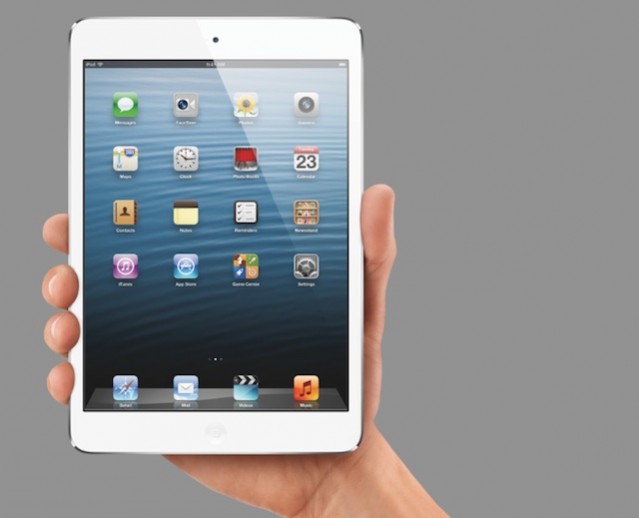
    For Microsoft, the stakes are now substantially higher for their Windows Surface tablets. The Fourth Generation iPad and iPad Mini (or is that iPod Maxi?) are going to be the benchmarks the Redmond tablet PCs will be measured against.

    An interesting part of the Apple presentation was marketing chief Phil Schiller trash talking the Android competitors with a side-by-side comparison between the iPad and the Nexus.

    These comparisons are becoming a hallmark of Schiller’s marketing in the post Steve Jobs Apple, whether this is good or bad remains to be seen, but it is a difference compared to the old boss’ way of doing things. Although Jobs wasn’t adverse to poking fun at some of Microsoft’s confusing habits.

    For geeks, and those who like shiny things that go “beep”, it’s an exciting week and Apple have shown why they are masters at controlling the tech media.

    It’s now up to Google and Microsoft to see if they can match Cook’s announcements and meet Apple’s price points.

    Similar posts:

  • Can Microsoft beat the PC marketplace’s structural decline?

    Can Microsoft beat the PC marketplace’s structural decline?

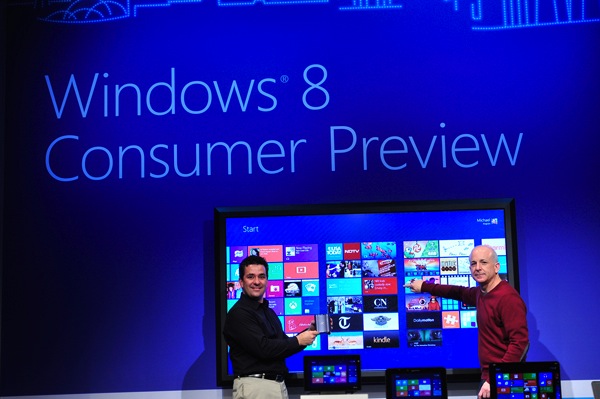
    In New York on Thursday Microsoft will have a marathon launch of their Windows 8 system and the futures of many of their hardware partners lie on the success of the new system.

    For Microsoft, Windows 8 could be the last throw of the dice for the desktop operating system that has sustained the company for thirty years.

    The figures aren’t good for Windows as Microsoft’s 2012 profit and loss shows, here are the figures broken out by operating unit segment from the company’s annual report.

    Year Ended June 30, 2012 2011 2010
    Revenue  bn $  bn $  bn $
    Windows & Windows Live Division 18,818 18,787 18,789
    Operating Income (Loss)
    Windows & Windows Live Division 11,908 11,971 12,193

    The core Windows & Windows Live Division has stagnant revenues and a slowly declining profit margin. We’ll leave the huge losses in the online division for a future post.

    Since the days of the first MS-DOS deal with IBM, Microsoft’s core business has been the licensing of operating systems to PC manufacturers and now that model is in trouble.

    For instance Dell had an 8% drop in revenue resulting in a worrying 22% drop in operating profit, their PC dominated consumer division suffered a fat 22% drop in sales and recorded a miniscule .5% profit margin. Similarly Asus had 25% drop in sales to record a 2011 loss.

    The pain being suffered by PC manufacturers’ sales and margins will almost certainly be shared by Microsoft as companies like Dell, HP and Asus simply can’t afford to pay the licensing fees which have sustained the Redmond business model for so long.

    Microsoft and their partners hope – or pray – that the PC decline is a temporary hiccup in computer sales similar to the traditional lull seen before the release of a new system.

    History’s not on their side with research company Asymco expecting sales of tablet computers to overtake PCs sometime in late 2013.

    This is not a cyclical trend – the PC industry is in structural decline; the traditional Windows upgrade cycle is dead and Google are running interference with their Chromebook networked laptops.

    Moving onto tablets and smartphones in this light makes sense for Microsoft and given the PC manufacturers have failed dismally to deliver decent tablet computers or phones over the last 15 years so it’s understandable the software giant wanted to develop their own hardware or team up with a struggling company like Nokia.

    The declining margins in personal computers means we’re seeing the end of the Windows desktop ecosystem. With the rise of the web and cloud computing the type of operating system we use is like arguing between Toyota and BMW drivers; one might be more prestigious but both will get you where you want to go.

    For Microsoft the challenge is to replace those Windows licensing rivers of gold with similar revenue streams through their phone and tablet products but with Apple and Google already dominating those fields, is it too late for the company that dominated personal computing? The next six months will tell us.

    Similar posts:

  • Unprotected computing practices

    Unprotected computing practices

    A US study finding malware is rampant on medical equipment shouldn’t come as a surprise to those running industrial computer systems in their businesses.

    It’s notoriously difficult to update medical equipment or other sensitive systems as a security patch could have unintended consequences. Unlike a home or business computer, these patches have to be thoroughly tested beyond the precautions vendors take.

    So it isn’t surprising that these systems aren’t kept up to date although some equipment suppliers are more tardy than they should be in updating the servers they supply.

    A few years ago I came across CCTV systems running on the original version of Windows 2000 which were hopelessly compromised. This is an unacceptable situation for the customer and was more the result of vendor carelessness than any concern that customers could be affected by these unsecured machines.

    Not having the latest software patches creates a weakness in any computer device as most common way viruses find their way onto networks is through systems not being updated – Australia’s Defense Signals Directorate rates unpatched systems as being the number one cause of corporate security breaches.

    This is what caught out the Iranian nuclear program with the Stuxnet worm as the Siemens SCADA devices used by the Iranians were running older, unpatched versions of Windows. The designers of Stuxnet took advantage of a number of known weaknesses in the software and were able to damage the equipment being controlled by the systems.

    Obviously systems should be patched wherever they can be and there’s no excuse for not patching most office and home computers. It’s also worthwhile carrying out a number of other security steps to ensure an infected computer can’t damage your network or catch a virus through your Internet connection.

    The survey looking at these medical systems is a good wake up call to all of us that we need to take computer security seriously in our businesses.

    Similar posts:

  • Meeting the solid state Woz

    Meeting the solid state Woz

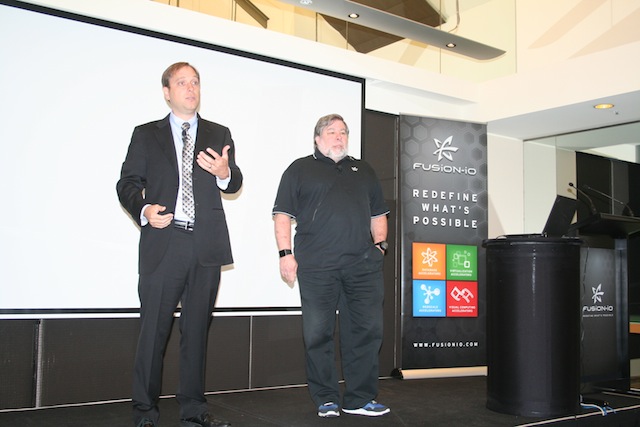
    When the opportunity comes to meet co-founder of Apple computer Steve Wozniak you jump at it, despite being jet lagged from the previous day’s flight.

    One of the tough things when writing about Steve Wozniak is that he is a fast talker. You have to be quick to keep up with his ideas and words.

    Steve was in town to show off the range of solid state computer memory cards manufactured by Fusion-iO, a company based in Salt Lake City.

    Wozniak liked the idea so much he became Fusion-iO’s chief scientist in 2009. “When I first saw the iO drive, it was so beautiful I had to buy one from the company and put it in a frame just to frame it at home.”

    What enthused Woz were Fusion-iO‘s range of NAND flash memory cards that speed up servers while reducing their power and cooling requirements.

    Those power savings are important for data centres when hundreds of thousands of servers might be in one building, Fusion-iO’s CEO and co-founder David Flynn estimates this could save up the industry a $250 billion a year in operating costs.

    Probably the biggest benefits though are in the corporate space, one Flynn’s boasts is how one movie studio used Fusion-iO’s products to reduce transcoding between formats from two hours to 39 seconds.

    Another case study they show off is how grocery chain Woolworths were able to reduce the 17 hours to run their weekly trading reports to three hours meaning they were able to capture weekend figures for their weekly Monday morning board meetings.

    For smaller businesses, the biggest benefit is these products can turn fairly basic desktop computers into workstations with the $2,500 ioFX card promising some serious post production capabilities for a system although one would expect an entry level box wouldn’t have the data connection, hard drive or – most importantly – power supply to cope with the demands of such a device would put on the typical cheap components in a basic desktop system.

    All of these changes though are heralding some pretty big changes for big and small businesses.

    Where Steve Wozniak sees the greatest application of moving data faster is in Artificial Intelligence applications like voice recognition. Apple’s Siri is a good example of this.

    The barrier to effective voice recognition is the sheer amount of data processing required to effectively understand voice commands. Doing this on cloud services is a far more efficient and effective way of doing this.

    As we saw at Dreamforce last week, the sheer amount of data pouring into companies is changing how they manage information. Getting access quickly to relevant information is an important part of managing it.

    “I’ve never gotten so excited about or fell in love with a technology like this since Apple.” Says Wozniak.

    Having a chance to speak to Steve Wozniak up close shows that fast talking enthusiasm is for real. The Woz is a real geek.

    Like all true geeks Wozniak is passionate about what he believes in – whether it’s about NAND flash cards or becoming an Australian resident he bubbles with enthusiasm. Just don’t try writing notes down while he’s in full flight.

    Similar posts:
  • The risks of tablet pricing

    The risks of tablet pricing

    We often forget that tablet computers weren’t invented by Steve Jobs. For a decade before Microsoft and their partners like Toshiba or Dell had been selling ‘slate-like’ devices.

    The market wanted tablet computers, particularly business users in sectors like logistics and health care, but the Windows products on offer were heavy, clunky and expensive.

    It took the iPad to deliver what the market wanted —  a lightweight, easy to use and reasonably priced tablet computer. This was the reason Apple were so successful.

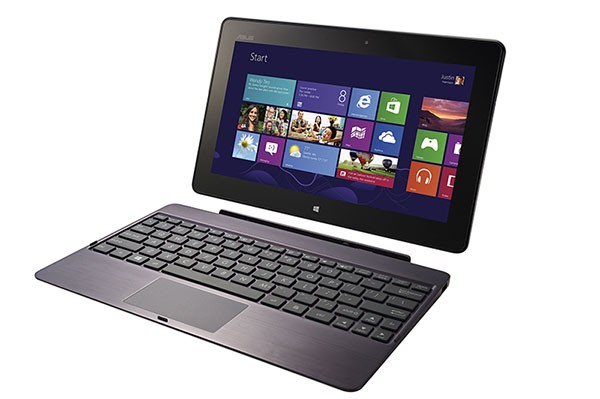
    With Asus’ pricing announcement of their new range of Windows 8 tablets it appears the mistakes made by the PC industry with tablet computers ten years ago are going to be repeated.

    The fundamental thing that will kill Windows tablets is cost and these tablets are too expensive compared to the Apple and Android competitors.

    While having Windows compatibility and the opportunity to save to USB drives or corporate networks is handy in a tablet, there seems to be little reason for customers not to buy a mid-priced laptop.

    It appears though these price points are part of Microsoft’s strategy. Steve Ballmer hinted at this in his Seattle Times interview last weekend.

    Q: The iPad has the largest share of the tablet market, but its soft spot, it seems to me, is the price.With the Surface, are you planning to compete with the iPad on price or on features?

    A: We haven’t announced pricing. I think we have a very competitive product from the features perspective. …

    I think most people would tell you that the iPad is not a superexpensive device. … (When) people offer cheaper, they do less. They look less good, they’re chintzier, they’re cheaper.

    If you say to somebody, would you use one of the 7-inch tablets, would somebody ever use a Kindle (Kindle Fire, $199) to do their homework? The answer is no; you never would. It’s just not a good enough product. It doesn’t mean you might not read a book on it….

    If you look at the bulk of the PC market, it would run between, say, probably $300 to about $700 or $800. That’s the sweet spot.

    The problem is the tablet computer market isn’t the PC market and those price points have changed.

    What’s more, the features that attract users to tablet devices or smartphones are different to that of PCs.

    Basically PCs, tablets and smartphones are different products.

    Applying PC pricing structures, or marketing models, to the tablet market is a risky strategy.

    Steve Jobs didn’t do this and Apple succeeded with the iPhone and iPad without damaging their Mac sales, whether Microsoft can pull of a similar achievement with the opposite strategy remains to be seen.

    Similar posts: