Category: computers

  • Microsoft edges towards the post PC era and the end of Windows

    Microsoft edges towards the post PC era and the end of Windows

    Microsoft’s evolution to the post PC era has been a fascination of this blog for several years now as the company’s once flagship Windows becomes irrelevant in a world dominated by smartphones and tablet computers.

    The launch of Windows 8 and the Surface tablet were the great hope for the company, but it appears the business model that built Microsoft into one of the world’s biggest companies is doomed. Microsoft is shifting to the post-PC era where Windows has little role.

    Yesterday’s financial results emphasised the shift as the consumer licensing business fell 6% year against last years revenues while the company’s overall revenues rose 14% – the old consumer Windows business is dying.

    This is illustrated in the company’s quarterly report, where the business units that delivered the growth were all in non-Windows areas.

    • SQL Server continued to gain market share with revenue growing double-digits
    • System Center showed continued strength with double-digit revenue growth
    • Commercial cloud services revenue more than doubled
    • Office 365 commercial seats and Azure customers both grew triple-digits.

    Drilling down into the numbers the trend against Windows is even more stark, here’s a chart of the performance of the division over the last ten years.

    Microsoft Windows division financial performance
    Microsoft Windows division financial performance

    As we see, life was good for Microsoft Windows until the iPad arrived.

    Following Apple’s proof that tablet computers could deliver what business and home customers wanted from a portable device, Windows’ revenue stagnated and now income and margins are falling.

    The devices and services strategy of outgoing CEO Steve Ballmer recognises is a reflection of how Windows is becoming irrelevant to the business.

    It’s hard to see where Microsoft now goes with Windows, the product still remains a key part of the business with 22% of revenues – although that’s down from 27% last year – and its hard to see a buyer parting with the hundreds of billions the division would be worth as a stand alone business.

    For Steve Ballmer’s successor as Microsoft CEO dealing with the Windows problem will be one of many big issues they’ll have to deal with, the future of the once iconic product though won’t define the future of the business.

    Similar posts:

    • No Related Posts
  • IT becomes the plumbing

    IT becomes the plumbing

    One of the things that jumped out of last week’s smart city tour in Barcelona is that Nicholas Carr’s IT Doesn’t Matter is coming true — IT is now the plumbing.

    That’s not to depreciate IT, it means the technology is now becoming so embedded in society and business that people no longer notice.

    Like roads, electricity and water people assume it will be available but don’t notice the massive effort or investment required to make sure these services work.

    With cloud computing, pervasive internet and connected devices, most business never need to see an IT worker.

    For telco executives, IT managers and tech support people this is a blow to their egos as they always wanted their industries to be more than utilities.

    In one way being a utility legitimises IT as it makes the industry more important than just a bunch of geeks playing with computers.

    That also means that things have to work, ‘best effort’ services no longer cut it when you’re a utility and things have to work 99.99% of the time. Just like in plumbing.

    Becoming the plumbing could be the best thing that happened to the IT industry.

    Similar posts:

    • No Related Posts
  • Intel’s challenge to find a new message and market

    Intel’s challenge to find a new message and market

    Twenty years ago people cared about the specifications of their computers and chip maker Intel led the industry with its marketing of 486, Pentiums, Pentium Duos and Pentium IIs.

    As we come to the end of the PC era, the consumerisation of technology and the rise of cloud computing mean customers no longer care about what’s inside their systems and Intel is struggling to find a new message.

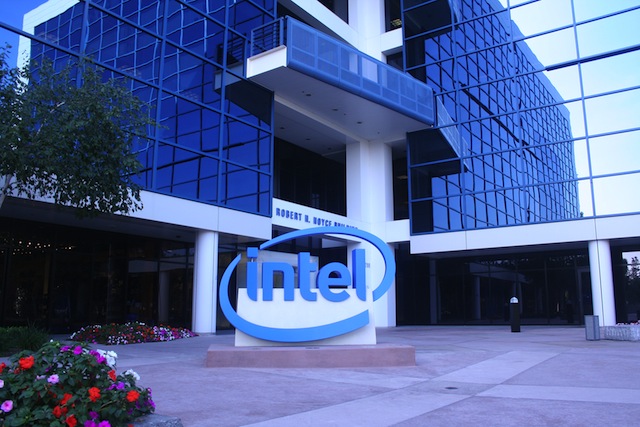
    Over the last few months Intel have been showing off their latest range of Central Processing Units (CPUs) to enterprise and small to medium business (SMB) groups. Last week the company hosted an SMB event in Sydney that illustrated how Intel is struggling to cut through the market.

    Speaking at the event was Steph Hinds – an evangelist for cloud computing – who told the story of how her Growthwise accounting practice was flooding out during storms.

    Because her systems were on the cloud Steph and her staff were able to work from home and local cafes while the landlord fixed her offices. Had Growthwise been using a server based system the business would have been crippled while her IT people implemented a disaster recovery plan.

    Steph’s story in itself illustrated the Clean, Well Lighted Place argument for cloud computing and also showed how Intel is struggling to sell its PC and server upgrade cycle message in an era where that business model is dead.

    This didn’t stop some of the other speakers at the small business event trying to sell the idea that upgrading computer systems and retaining an IT support company were essential to small business success but it’s a message that was valid a decade ago.

    For Intel the challenge is to find a new message – it may well be that the company’s future lies in supplying the powerful CPUs that run data centres, or maybe the low energy and maintenance chips required to control the billions of intelligent devices that will run the internet of everything.

    The company’s launch of their Galileo board – a tiny computer designed to compete in the intelligent devices market with the likes of the Raspberry Pi – is a step in the latter direction and shows Intel is exploring the possibilities.

    Wherever Intel’s future lies, it doesn’t lie in trying to sell a business model that is quickly going the way of the Brontosaurus.

    During most of the PC era, it was the Wintel partnership that dominated the computer industry, now Microsoft have realised this fundamental market change and started their journey to become a devices and services company.

    The challenge now lies with Intel to decide where their journey will take them in a post PC world.

    Similar posts:

    • No Related Posts
  • Steve Jobs’ golden path

    Steve Jobs’ golden path

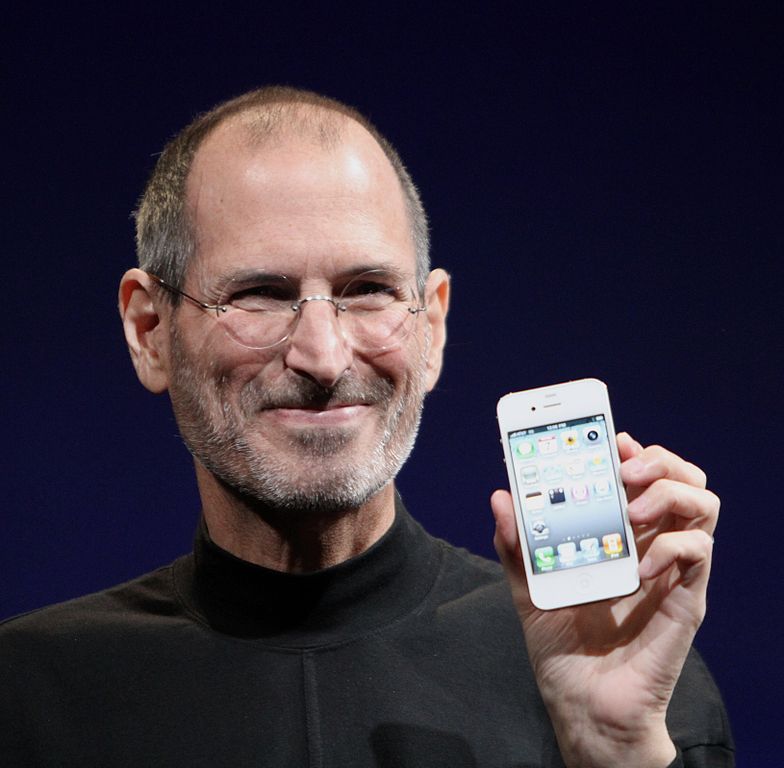
    Today Apple reinvents the smartphone.” Steve Jobs announced at the 2007 Macworld Conference when he showed off the new Apple iPhone.

    As with most of Jobs’ speeches, the iPhone launch was an impressive display combining the man’s talents, vision and technology to rally Apple’s adoring masses.

    Last week the New York Times magazine had an excellent feature on the story behind the landmark launch of the iPhone. It’s worthwhile reading to understand the theatre that goes behind a major tech company’s launch event.

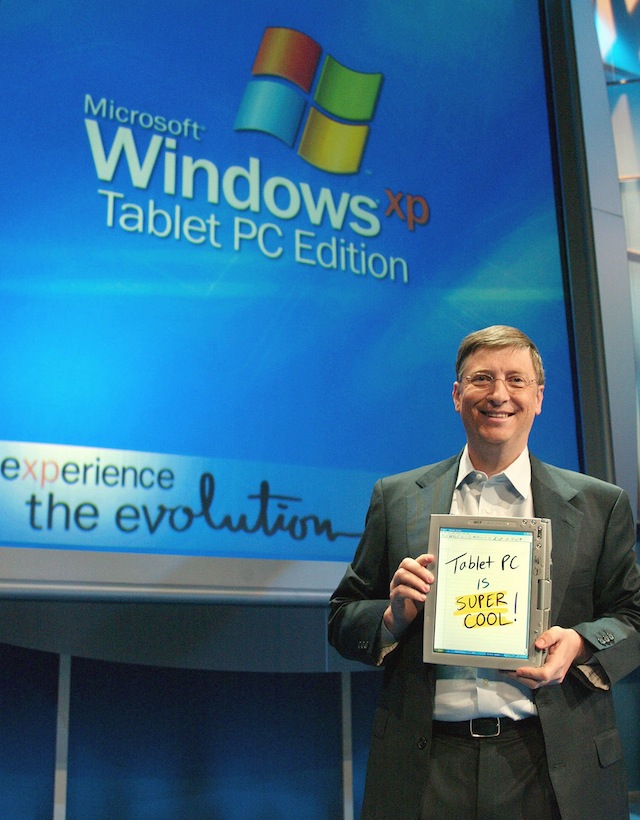
    In the case of the iPhone, a myriad of tricks had to be performed to make sure the still being developed device didn’t fail in Steve Jobs’ hands during the launch – one can be sure the Apple founder wouldn’t have been as relaxed as Bill Gates when a Windows 98 system crashed onstage a decade earlier.

    A key part of Jobs’ presentation was the ‘Golden Path’, a script that would showcase the iPhone’s features while avoiding known problems.

    Hours of trial and error had helped the iPhone team develop what engineers called “the golden path,” a specific set of tasks, performed in a specific way and order, that made the phone look as if it worked.

    Much to the relief of Jobs’ staff, the demonstration worked flawlessly and Jobs’ polished presentation showed why he was one of the most admired, if flawed, business leaders of his generation.

    While most tech CEOs could never dream of emulating Steve Jobs, almost every one has a ‘golden path’ to show off their product in a new light.

    Something we should remember when watching these demonstrations and the press coverage that follows is that most of them are carefully staged theatre and we should hang onto our wallets until well after these devices are on the shop shelves.

    As it turned out, the iPhone was a spectacular success and did re-invent the smartphone industry. Along with being able to deliver a killer presentation, Steve Jobs was also good at driving teams to deliver his vision.

    Steve Jobs image courtesy of Wikimedia.

    Similar posts:

    • No Related Posts
  • Does Bill Gates leaving Microsoft mark the end of the PC era?

    Does Bill Gates leaving Microsoft mark the end of the PC era?

    After Steve Ballmer’s announced retirement from Microsoft it was clear that the changing of guard was going to happen at Microsoft as Bill Gate’s last trusted lieutenant left a management position.

    Now Reuters reports that some of Microsoft’s shareholders are lobbying for Gates himself to leave the board.

    If that happens it would probably be the formal end of the PC era as Gates is the last of the pioneers of the desktop computer industry to still have a major role following Ballmer’s retirement and Steve Jobs’ passing.

    Similar posts:

    • No Related Posts