Category: future

  • Robots replace Chinese factory workers

    Robots replace Chinese factory workers

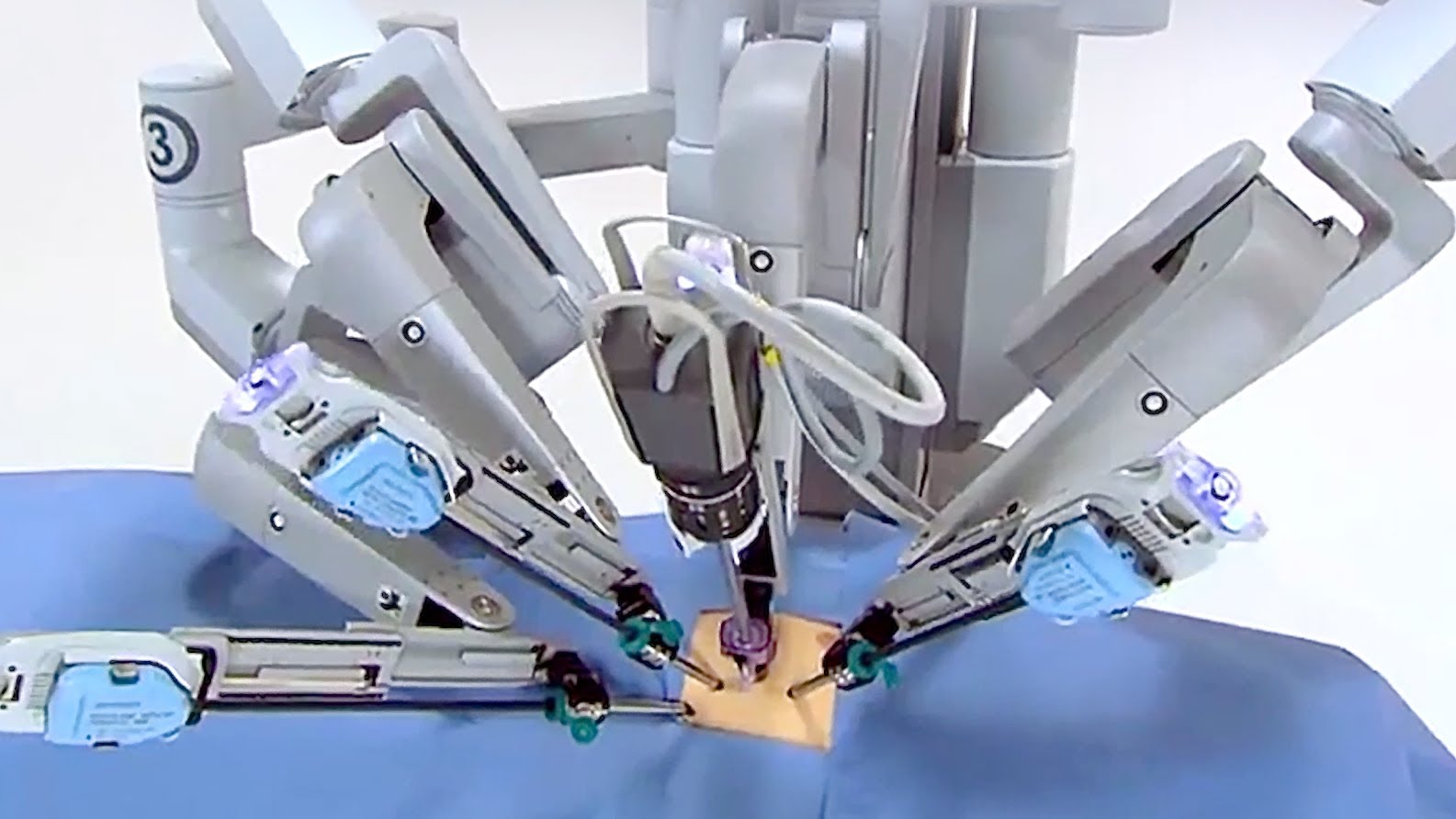
    Taiwan’s Foxcomm, the world’s biggest electronics manufacturer, has announced it will replace 60,000 Chinese workers with robots.

    As the cost of robotics falls and the price of Chinese labour increases, the economics of automating low skilled work increasingly looks attractive.

    While automating manual work is process that’s been familiar for three centuries, this automation is now heading into the management suite as artificial intelligence increasingly becomes a viable alternative for lower level supervisory roles.

    The workplace of the future is going to look very different to today’s, all of us need to be asking if we have the skills that will be needed by it.

    Similar posts:

    • No Related Posts
  • Industries of the future on display

    Industries of the future on display

    One of the challenges we face in looking at the economy’s future is going lies in identifying what tomorrow’s industries will be.

    I’ve spent the day at the 500Startups pitch day at the Computer History Museum in the heart of Silicon Valley listening to the startups on the program making their investment spiels and in many ways those businesses are a glimpse of the future economy.

    While not all of these businesses will survive, and many will pivot over time, they do indicate directions the economy is taking.

    The question though is what sectors will drive jobs growth over the next quarter century and whether those industries will pay enough for workers and their families to survive, let alone keep a consumerist economy ticking along.

    Similar posts:

  • You’re going to need a bigger app

    You’re going to need a bigger app

    “It has to be disruptive technology,” bleated the consulting firm facilitator at the Future Transport Summit in Sydney earlier this week.

    The hapless, but well paid, consultant — a depressingly frequent feature of Australia’s current ‘ideas boom’ — was protesting when one of the participants at his ‘ideation session’ had raised topics such as integrated timetables and changing commuting habits.

    Mr Consultant’s running orders for his ‘ideation session’ were to focus on ‘digital disruption’ and his employer;s cluelessness illustrates a danger for business leaders and policy makers.

    Selling the snake oil

    Digital disruption is real however it’s not just the only factor facing governments and industries. Demographics, economics, politics and climate change will have greater influences on business and society.

    Uber, the favourite lovechild of those spruiking digital disruption snake oil, is a very good case in point. While the service certainly has disrupted the taxi and motor vehicle industries, these sectors were facing major challenges as governments enacted policies to reduce carbon emissions, voters became tired of cartel like taxi companies and the Western world’s young and wealthy moved back to the cities and away from owning motor vehicles.

    If anything, Uber was the result of GenY entrepreneurs like Travis Kalanick finding existing services didn’t meet their needs rather than the result of technology desperately looking for a problem to solve finding a niche.

    Complex changes

    While the smartphone was critical in Uber’s success in disrupting the global taxi industry, technology was only one facet of a much more complex set of changes.

    The motor industry is a good example of the complexity of change. A hundred years ago it was clear the transport industry was about to be disrupted by the automobile, it was by no means obvious access to affordable personal transport would allow urban sprawl and the suburbanisation of western society.

    Coupled with the motor car and truck, the availabilty of mains electricity meant refrigeration also became accessible which lead to the rise of supermarkets after World War II. This disrupted the local corner store in ways shopkeepers could never have foreseen in the interwar years.

    Shifting demographics

    Now, the opposite is happening as the young and affluent reject long commuting times from distant suburbs and city densities start increasing.

    The social and economic factors that drove Uber are affecting public transport usage patterns and it’s no coincidence that the cities where ride sharing services have most successful, such as Sydney, also have underfunded public transport systems that are struggling to meet their population’s demands.

    Which brings us back to the foolishness of discussing the future of transport only in relation to technology. Smartphones, apps, big data and the internet of things will all be critical parts of future transportation but the social and economic factors will shape how people use the networks.

    Focusing on technology while ignoring the other big influences is a folly that will cost businesses and government dearly. Although one suspects the management consultancies will do well regardless of how well change is managed.

    Similar posts:
  • Microsoft and the AI future

    Microsoft and the AI future

    Despite the embarrassment of their foul mouthed racist bot, Microsoft are pressing on with a move into artificial intelligence.

    Ahead of this week’s Launch event in San Francisco, Microsoft’s CEO Satya Nadella laid out his vision for the company’s Artificial Intelligence efforts in describing a range of ‘bots’ that carry out small tasks.

    Bloomberg tagged Nadella’s vision as ‘the spawn of clippy’, referring to the incredibly irritating help assistant Microsoft included with Office 97.

    Tech site The Register parodied Clippy mercilessly in their short lived IT comedy program Salmon Days, as shown in this not safe for work trailer. While The Reg staff were brutal in their language and treatment of Clippy, most Microsoft Office users at the time shared their feelings.

    While Clippy may be making a comeback at Microsoft, albeit in a less irritating form, other companies are moving ahead with AI in the workplace.

    Robot manufacturer Fanuc showed off their self learning machine a few weeks ago which shows just how deeply AI is embedding itself in industry. Already there are many AI apps in software like Facebook’s algorithm and Google’s search functions with the search engine’s engineers acknowledging they aren’t quite sure what the robots are up to.

    For organisations dealing with massive amounts of data, artificial intelligence based programs are going to be essential in dealing with unexpected or fast moving events. Those programs will also affect a lot of occupations we currently think are immune from workplace automation.


    Similar posts:

    • No Related Posts
  • Seppuku for the health care sector?

    Seppuku for the health care sector?

    It turns out Seppukuma is a parody and I fell for it. My apologies.

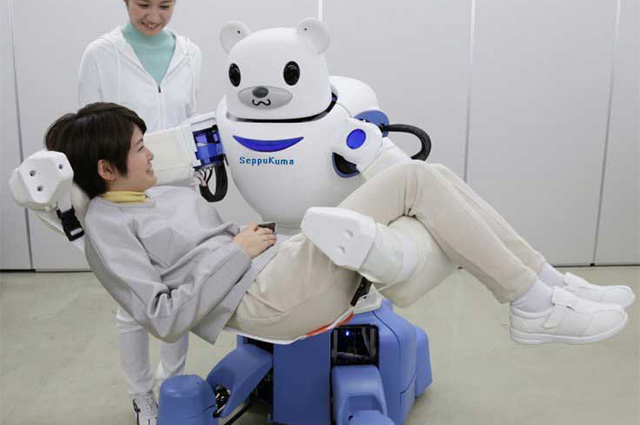
    Continuing the theme of Japanese robotics meet SeppuKuma, the friendly robot bear that might be the last thing you ever see.

    When we look at the future of work, health care comes up as one of the fields that is least vulnerable to automation. Seppukuma shows we shouldn’t take that for granted.

    Seppukuma is also an interesting example of how technology can subvert laws. Banning assisted suicide means little when a robot can be programmed to it.

    As cheap and accessible robotics become commonplace so too do devices like suicide assisting androids which raise a whole range of legal and ethical issues.

    Even though Seppukuma is a joke, the technology is feasible. We need to consider the issues and risk these devices will raise.

    Similar posts:

    • No Related Posts