Category: robotics

  • The dangers of hands free driving

    The dangers of hands free driving

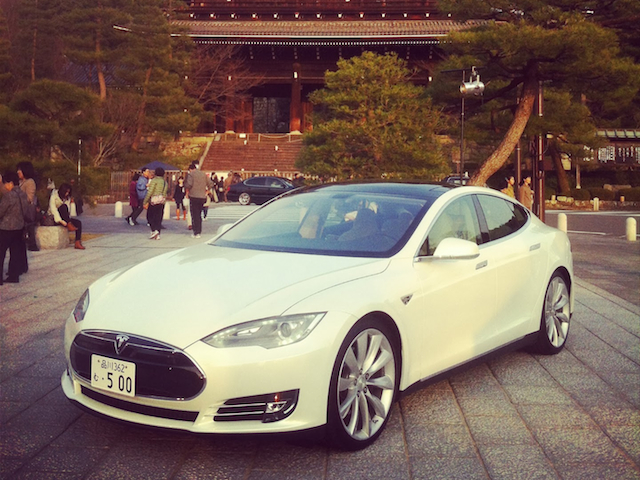
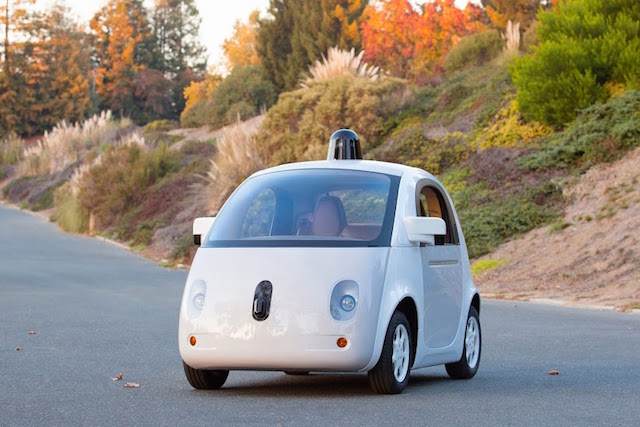
    Last May 7 45-year-old Joshua Brown was killed when his car hit a truck just outside Willston, Florida. His Tesla was operating in ‘autopilot mode’ and he was the first death in a driverless car accident.

    Now the investigation and the speculation into the Mr Brown’s unfortunate demise begin. It’s worth watching to see how the accident will change public perception and government regulation of autonomous vehicles.

    What’s notable is Tesla are careful not to recommend leaving the car to its own devices, as The Verge reports.

    Tesla reiterates that customers are required to agree that the system is in a “public beta phase” before they can use it, and that the system was designed with the expectation that drivers keep their hands on the wheel and that the driver is required to “maintain control and responsibility for your vehicle.” Safety-critical vehicle features rolled out in public betas are new territory for regulators, and rules haven’t been set.

    Another aspect that should concern users and regulators is Tesla’s software industry attitude towards liability and safety in dismissing the car’s flaws as being an unfortunate consequence of imperfect beta software. That may cut it in the world of Microsoft Windows 3.11 but it doesn’t cut it when lives are at stake in the motor industry.
    Similar posts:

    • No Related Posts
  • Seppuku for the health care sector?

    Seppuku for the health care sector?

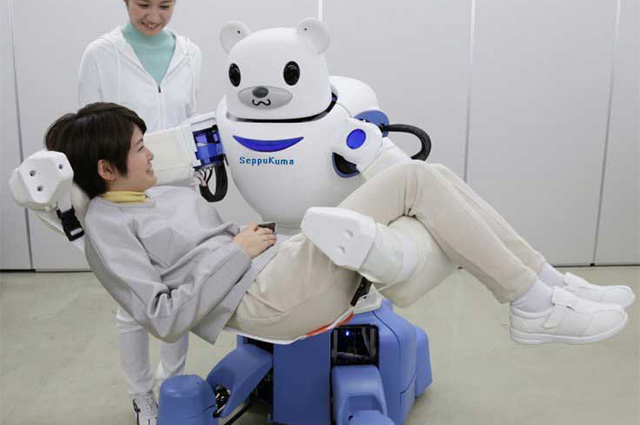
    It turns out Seppukuma is a parody and I fell for it. My apologies.

    Continuing the theme of Japanese robotics meet SeppuKuma, the friendly robot bear that might be the last thing you ever see.

    When we look at the future of work, health care comes up as one of the fields that is least vulnerable to automation. Seppukuma shows we shouldn’t take that for granted.

    Seppukuma is also an interesting example of how technology can subvert laws. Banning assisted suicide means little when a robot can be programmed to it.

    As cheap and accessible robotics become commonplace so too do devices like suicide assisting androids which raise a whole range of legal and ethical issues.

    Even though Seppukuma is a joke, the technology is feasible. We need to consider the issues and risk these devices will raise.

    Similar posts:

    • No Related Posts
  • Making seniors mobile

    Making seniors mobile

    One of the understated benefits of automation and robotics is it allows the elderly and disabled more mobility.

    Facing an aging population, the Japanese are unsurpringly ahead of the rest of the world in understanding this and, as the Wall Street Journal reports, researchers are investigating how driverless cars can help the elderly get around.

    While autonomous vehicles of all sizes promise greater mobility to many people currently restricted in their access, robotics also promises to extend our working lives just as mechanisation has over the past two hundred years.

    Similar posts:

    • No Related Posts
  • Automating the farm with drones

    Automating the farm with drones

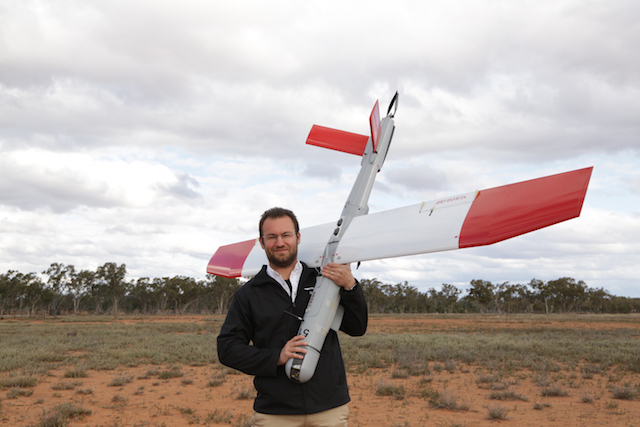
    Can unmanned aircraft solve Australia’s feral animal problem? Startup Ninox Robotics believes sending military-grade unmanned aerial vehicles (UAVs) into the country’s outback can help farmers control pests such as wild dogs and pigs on their sprawling properties.

    “Australian landholders and managers have been struggling against the problem of invasive pest species for decades, including feral dogs, pigs, deer and rabbits,” says the co-founder and CEO of privately owned Ninox, Marcus Elrich.

    Government steps in

    Regulatory requirements on commercial drones such as their only being allowed for line of sight operations during daylight hours and below 400m has limited the deployment of UAVs in large scale agricultural applications, particularly with feral animals that tend to come out at night.

    Ninox’s drones, supplied and operated by Israeli UAV supplier Bluebird, are licensed to operate in the dark and up to 50km from their base. They also have a detachable head that allows operators to switch cameras for different operations, allowing for normal cameras during daytime and infrared at night.

    The trial, being conducted by Ninox Robotics, is the most ambitious civilian drone trial ever conducted in Australian airspace. It utilises state of the art UAVs with advanced real time thermal imaging capabilities to detect invasive pests in rural areas.

    Currently Ninox only has approval from the Australian Civil Aviation and Safety Authority (CASA) to run three-week trials at selected sites in southern Queensland and northern New South Wales.

    Services to farmers

    Should the trials be successful and Ninox obtain a wider operating license from CASA, Elrich is looking at offering the service to farmers, government agencies and utility companies for operations ranging from pest control to asset and stock management along with search and rescue roles for emergency services.

    While the use of military drones is substantially more expensive than commercial drones with the costs currently around $3,000 per flight, Elrich believes the service is competitive with manned helicopter operations that many properties in rural Australia require.

    Should the drones be successful on Australia’s sprawling farms, it’s going to be another example of how the current wave of technologies is further automating agriculture. There’s a lot more labour to be saved with these devices.

    At present Elrich and Ninox see pest management as the initial application, but there’s many other ways farmers can be using robot technologies.

    Similar posts:

    • No Related Posts
  • Then they came for the sheepdogs – drones take to the farm

    Then they came for the sheepdogs – drones take to the farm

    While we focus on how technology is changing the workplace and displacing jobs, we often overlook how it affects animals as well.

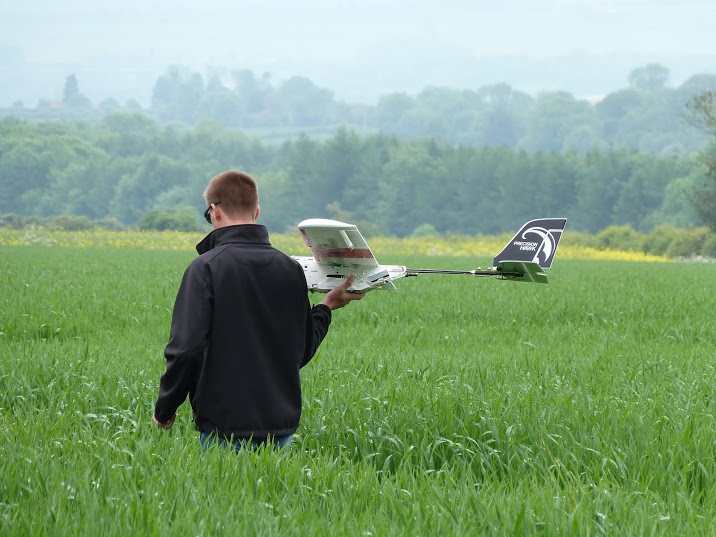
    A video posted by Irish farmer Paul Brennan shows how a drone can be used to herd sheep, putting the humble sheepdog out of work.

    The possibilities in using drones on farms are endless, they free farmers up to do substantially more tasks and if they’re equipped with sensors to communicate with stock, crops or farm infrastructure they can be pulling in more information about the property.

    For the poor sheepdog this isn’t the first time a farm animal has been displaced. Until the arrival of the steam engine and then farm tractor horses had been an essential part of agriculture for thousands of years.

    But while news isn’t good for sheepdogs not all animals are intimidated by drones as one unfortunate owner found out when he decided to harass a mob a kangaroos.

    Similar posts:

    • No Related Posts