Category: society

  • On being a hater

    On being a hater

    The phenomenon of the “Internet hater” has been one of the unfortunate developments of the web.

    Just as entry barriers for new businesses are low, so too are the restraints on clueless and anonymous idiots posting comments like “drop ded you faggot” or “hope you get canser bitch” onto web forums and social media pages.

    English comedian Isabel Fay has a great rebuttal to the haters with a clip that co-opts some of Britain’s top comics with their experiences.

    These haters are sad little people as the BBCs Panorama program found when it tracked down one individual who had posted offensive comments.

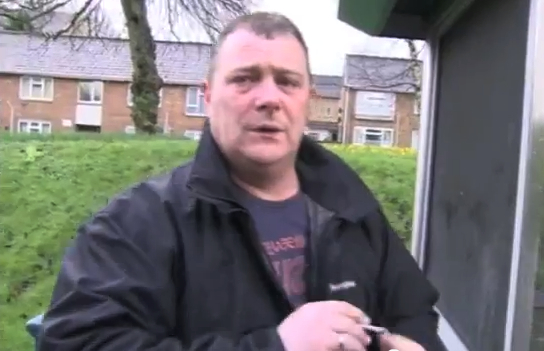
    We knew Darren Burton of Cardiff, aka Nimrod Severen, would be a pathetic individual. Those who post anonymous, hateful comments are rarely anyone who has anything useful to contribute to society.

    Online “haters” are a real problem and cause distress to people who encounter the foul comments these creatures post. However the “haters” tag is increasingly being misused to shut down fair comment and criticism.

    Legitimate critics or dissenters from the groupthink and shallow advertorials that increasingly dominate parts of the web will quickly earn the tag “hater” as well.

    Every multi level marketing spiv or con merchant with a few followers will quickly throw the term out at anyone who dares criticise their behaviour in the hope of rallying their followers to shout down the dissenters. Usually it works.

    If you’re prepared to think outside the group and genuinely challenge those selling old rope as new ideas, let alone expose the hypocrisy of those who claim to open and transparent while hiding their real intentions, then be prepared to wear the tag “hater”.

    The only reply is to stand on your beliefs and be prepared to use your real name. The real trolls are scared, frightened creatures – just like many of the useful idiots co-opted by the spin merchants and Internet spivs.

    At least “hater” is just a cheap insult and they aren’t coming for dissenters with pitchforks. Yet.


    Similar posts:

  • Falling Dominos, Fading Businesses

    Falling Dominos, Fading Businesses

    “When the tide goes out, we find out who’s naked” goes the saying – nowhere is this more true than in the engineering and construction industries.

    One of the hallmarks of an economy that has passed its peak is the systemic failure of contracting companies.

    During a boom, or a steady growth phase of an economy, contracting companies see cashflows increase as more projects come online.

    That growth affects contractors in a number of ways – they start getting used to fatter margins and management starts to believe in their own invulnerability.

    Blue sky seems to stretch on forever and massive growth rates seem guaranteed far into the future.

    As the market matures the sky starts to turn grey as more contractors start fighting for lucrative jobs seeing cost estimates being fudged and dodgy deals done to win jobs.

    Those dodgy contracts eventually come in at a loss and management starts desperately winning more projects to cover the losses on earlier work.

    And so a spiral begins.

    To make matters worse, the more aggressive contractors start buying out smaller competitors.

    Often those competitors have similar bad projects on their books and their impressive growth rates are based upon winning jobs they should never have tendered for.

    Eventually the spiral ends when the market stalls and there aren’t enough new projects available for the loss making contractors to cover the accumulated losses. Then the failures begin.

    Collapses of the Hasties Group, Reed, St Hilliers and other construction and engineering contractors are classic examples of this cycle.

    While shareholders and management carry some of the burden, the real pain of failure is felt by the armies of sub-contractors – largely small, family owned businesses – these companies employ.

    Most of these subcontractors will not get paid for their outstanding invoices, forcing all of them to cut back their own employment and spending. For some, they will be forced into liquidation as they can’t pay their own bills.

    For the families that own those small businesses the financial and emotional pain is real and immediate. Spending stops, debts go unpaid and relationships fail.

    In some cases that small bankrupt plumber, bricklayer or concreter finds the stresses of failure too great and a family loses their breadwinner.

    This multiplier effect of business failures and redundancies is one of the reasons the real economy is in a much tighter position than Australia’s political, business and media elites can bear to admit.

    Another saying is “a recession is when your neighbour loses their job, a depression is when you lose yours.” For most families, the economy has been in recession for three years as they’ve seen friends and relatives accept reduced hours or have contracts terminated.

    Much of the commentary about Australians being irrationally pessimistic misses this aspect of our economy. It’s amusing when the smug comments come from financial and economic journalists who don’t seem to have noticed the difficulties their own industry going through.

    There’s a lot of naked people treading water at the moment and the tide is heading out. The question for all of is where the deep water is and where the hell did we leave our speedos.

    Similar posts:

  • Giving a damn

    Giving a damn

    Twenty years ago a lady unexpectedly passed away leaving her estate to her infant daughter. Included in the estate was a modest apartment in Sydney’s inner western suburbs.

    For years, the unit sat on a local real estate manager’s books quietly gathering rental income and growing in value during Sydney’s great property boom.

    Eventually the owner of the real estate agency tracked down the infant, now grown up and living in Boston. He’d hired lawyers and private detectives to track her down.

    Most of us would have taken the easy course and flicked the property to the public trustee where the property would have quietly languished for years in the tender care of the dusty, but expensive, bureaucrats.

    A few criminally minded ones would have sold the property and pocketed the cash, confident that no-one would ever know or care.

    But Chris Wilkins decided to do the right thing and found the owner, doing anything else would have been a “heartless alternative.”

    Having a heart and giving a damn is what matters.

    Whether its in our work, how we deal with other people or the change we make to our society. This is what matters – big bonuses, a flash car, a ministerial position or invites to “insider” conferences are just trinkets for the egos of vain little people.

    In an era where shareholder value, triple A credit ratings, executive remuneration and personal entitlements seem to stand above everything else, it’s good to be reminded that most people are doing the right thing by others.

    At the end of our lives, we’re judged by our actions. What will you be proud to be judged by?

    Similar posts:

  • Bubble values

    Bubble values

    The argument continues about Facebook’s purchase of photo sharing site Instagram.

    One side claims a billion dollars for a business with barely any revenue and 13 employees is clear evidence of a bubble while the other side say its a strategic purchase that is only 1% of Facebook’s estimated $100 billion market value.

    The latter argument is deeply flawed, comparing the purchase price against the value of other assets is always risky – particularly in a market where those underlying assets are being valued at the same inflated rates.

    We could think of it in terms of a Dutch farmer in early 1637 claiming that paying a thousand Florins for a tulip is fine when he has a warehouse containing hundreds of them.

    In reality, that farmer during the Dutch Tulip mania of the 17th Century held contracts for delivery; just as modern day investors held Collateral Debt Obligations.

    Measuring value against other inflated assets is always dangerous and only fuels a bubble.

    A much more concerning way of judging the wisdom of Facebook’s investment is against profit and revenue.

    If we compare the purchase of Instagram against Facebook’s revenue, then the investment has cost them three months income.

    Should we compare the acquisition against profit, Instagram has cost Facebook five years of profit at current rates.

    Both of those numbers are very high and it indicates how big a gamble the Instagram acquisition is for Facebook.

    It can be argued there is a lot of blue sky ahead for Facebook and that future profits and revenues will justify the Instagram purchase.

    There’s also a very compelling argument that Facebook has to get into mobile services and Instagram does that.

    Whether Instagram is worth three months income or five years profit to Facebook remains to be seen, but we should have no doubt it indicates we are well into Tech Boom 2.0.

    Similar posts:

  • ANZAC Day

    ANZAC Day

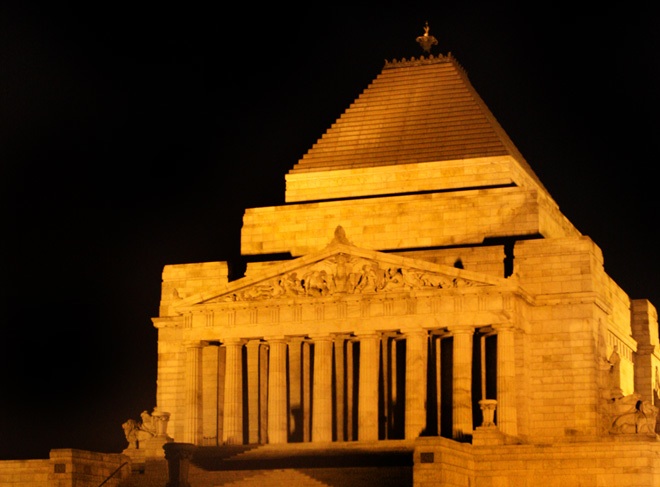
    It’s ANZAC Day in Australia where the anniversary of the World War One landings in Gallipoli marks the first national action of the then new nation.

    At its heart, ANZAC Day remembers sacrifice and bravery. The men and women who volunteered for the Great War and all those that have followed over the last hundred years were prepared to sacrifice relationships, safe careers and their lives to protect the King or Country from the threats of the Kaiser, Hitler, Japan, Communism or Terrorism.

    We should remember though that those politicians saying fine words today and posing for photo opportunities at the landing beaches are the much the same people who started an unnecessary war in 1914 and many of those wars since.

    Compare the words of Billy Hughes supporting Australian conscription in 1915 and the words of John Howard or Julia Gillard.

    Stripped of spin doctors’ dressing and the words of today’s politicians are the same.  Only the empire has changed.

    Today’s politicians know of concepts like sacrifice, patriotism and bravery, exploiting them can prove handy at election time.

    Luckily for most of them their political and business careers rarely call for such qualities.

    Hopefully our children won’t find themselves in the trenches  – or fall out shelters – to meet the short term gains of an Obama, Cameron or Gillard and their corporate friends.

    The real lesson of ANZAC Day, Veterans Day and all the other national days of remembrance around the world for those every nation has lost in battle is that war is the final act and represents a failure by the Kings, Presidents and Prime Ministers who choose to lead us.

    They shall not grow old, as we that are left grow old:
    Age shall not weary them, nor the years condemn.
    At the going down of the sun and in the morning,
    We will remember them.

    Lest We Forget

    Similar posts: