Category: travel

  • Economy Plus – the United Way

    Economy Plus – the United Way

    One of the tough things about long haul, overnight flights is getting a decent night’s sleep. I find this can only be done in a windows seat where you can snuggle against the fuselage and get reasonably comfortable. So it’s a priority to get those windows seats for a big flight.

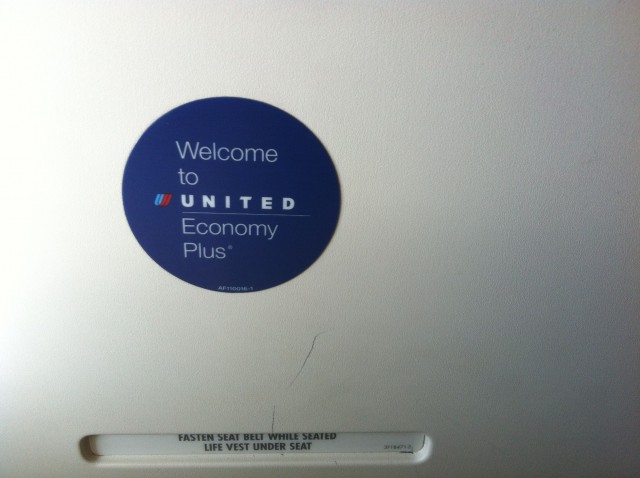
    With the return flight to Sydney from San Francisco it turned out there were no window seats in the basic economy section so a $150 upgrade to United’s Economy Plus section was needed to grab one of those essential windows seats.

    Check-in

    The United online check in, while clunky, still worked and the upgrade to Economy Plus was a simple online credit card transaction with a straightforward seat allocation, the selection was painless and effective.

    At San Francisco airport the check in, albeit three hours early, was friendly and quick with no quirks and thankfully the seat allocation had been kept.

    One thing to keep in mind with United’s seat allocations is they reserve the right to change them and even kick you out of Economy Plus, albeit with a refund of the supplement, if the flight is full and the Sydney flights are usually packed.

    So it’s a good idea to get the airport and check in early to reduce the chances of losing your seat which is highly likely if there’s been disruptions elsewhere in the United network meaning connecting passengers have missed earlier flights.

    Getting through security is the usually fraught hassle however the TSA staff deal with flummoxed tourists and language barriers with a brisk efficiency. Keep your sense of humour and accept that travellers’ dignity was one of the early causalities of the War On Terrorism and the process shouldn’t be traumatic.

    Airside

    San Francisco’s International Airport is a delight compared to the snarling, customer unfriendly Sydney Airport. While food outlets aren’t cheap, San Francisco’s are decent and there’s plenty of accessible power sockets, working desks and free wi-fi that works.

    The gates themselves can be some distance from the facilities so be prepared not to stray too far. The gate lounges themselves are fairly spartan and there’s no reason to wait there until a few minutes before the aircraft starts boarding.

    The seats

    Sadly I didn’t get the aircraft registration numbers for this flight or the previous inbound trip but it appeared that this plane was newer – say mid-1990s – than the flight into San Francisco which could well have been one of the first 747-400s ever built in the late 1980s.

    The United Airlines Economy Plus 37" seat pitch
    United Airline’s Economy Plus is far more comfortable than standard economy

    The Economy Plus seats’ additional 3″ of legroom are definitely worth it. The moment you get in the seat, you know the extra room makes a much more comfortable trip than the cramped 31″ of standard economy class.

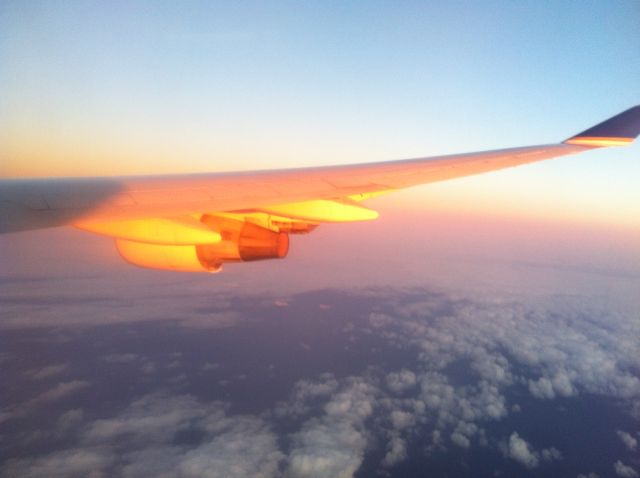
    One thing to keep in mind is that while Economy Plus adds nothing more in service, being at the front of the economy cabin does mean you get first choice of food, beverages and easy access to the middle toilets which is a slight advantage over those crammed at the back. It’s also a little quieter as the seats are over the wing rather than behind the engines.

    Another benefit with the additional pitch is that you don’t get a faceful of headrest when the seat in front of you reclines so it is possible to work on a laptop, read or eat in comfort even when the person ahead of you is still sleeping.

    Inflight entertainment

    While the system was still the shockingly decrepit 1990s cabin screens, there were for some reason additional choices on the audio channels including a classical music selection which made it far easier to relax than cheesy 1980s love songs or gangsta rap.

    Naturally there was no inflight power in the cheap seats so take advantage of the plentiful power sockets at SFO to make sure you’re fully charged before boarding.

    Shortly after take off the cabin crew come around with meals. Overall the cabin crew seem tired and beaten, while they aren’t rude or unpleasant one wonders if they have all received too many stern memos from management about being friendly to customers.

    Food

    An interesting thing about cheap airline food is how they cook and serve it in ways that make it difficult, if not downright dangerous to eat with plastic cutlery.

    Tough chicken for dinner on United Airlines
    Careful trying to cut that chicken

    In this respect UA 863 didn’t disappoint. The tough, mystery chicken lying under a red sludge masquerading as barbecue sauce was difficult to cut and risked sending one’s drink flying into your neigbour if you weren’t careful. This isn’t helped by the weird ridges United insist on putting underneath their trays.

    The bread had a strange chemical taste while the Love and Quiches Double Chocolate Crunch Bar was the highlight of the meal. The red wine was nice as well.

    After as good a night’s sleep as one can get in an economy class seat, breakfast was served around two hours before landing in Sydney. Again it was tough to eat.

    French toast for breakfast on United Airlines out of San Francisco
    You’ll need lots of syrup to soften that tough toast

    Like the chicken earlier in the flight, the French toast was tough to cut and hard to eat. Fortunately a good soaking in maple syrup makes it almost edible.

    The fruit salad was spartan but fine while the cold croissant tasted strange like the roll served the night before. It’s a shame United can’t find one of San Francisco’s excellent bakeries to supply their bread.

    Arrival

    The plane arrived on-time and without problems with immigration straightforward after dodging the embarrassing and garish duty free ripoff shops.

    Customs is the standard mass brawl that’s normal for early morning international arrivals at Sydney when a dozen or so wide bodied jets arrive at the same time from Europe, Asia and the US.

    If you have the choice, it may be worthwhile choosing a flight that arrives in Sydney after 8am so you can avoid both the customs hall and traffic peak hours.

    Once past customs it’s welcome to the snarling, belligerent and anti-traveller horror that is Sydney Airport. Get out of there as quick as you can by train, taxi, bus or car.

    Note if someone is meeting you, the pick up area is on the far side of carparks A and B. It’s not marked for either passengers in the terminals or for those driving into the complex. None of this is an accident and it’s best for both parties to have mobile phones so they can co-ordinate movements.

    In many ways the customer hostile attitude of the Sydney Airports Corporation is good news for United Airlines as it makes their tired inflight service feel warm and inviting.

    Overall the United Economy Plus option is worth the extra $150 charge to at least get earlier service and more legroom if you have to fly UA. It’s difficult though to recommend United while they fly such awfully old equipment and you should only consider it if the connections or the fare make them the best option.
    Similar posts:

  • Riding the zombie skies

    Riding the zombie skies

    When the CEO of an airline states his product is unacceptable, your expectations of a trip won’t be high. So it was with trepidation I boarded United Airlines’ Flight UA870 from Sydney to San Francisco for an overnight economy class  flight.

    The 13 hour overnight flight from Sydney to San Francisco is a jet lag nightmare with a 3pm departure and arrival in SFO at 11am the same morning. So getting some sleep on the flight is essential regardless of how cramped the seating is.

    Check-in

    United’s online check-in is clunky but works and I was lucky to grab a windows seat that’s essential to getting any sort of sleep on an economy flight. The online check in refused to print a boarding pass so it was necessary to check in at the airport.

    At the airport check in is efficient but you’ll have to enter most of the information about your accommodation in the US again. Keep these details handy as you’ll be using it for the US immigration form and may be asked about it on arrival.

    Sydney airport doesn't like cleaning tables
    Don’t expect clean tables at Sydney international airport

    One aspect about waiting in Sydney’s international terminal is just how dirty it is. It’s depressing that the Sydney Airport Corporation is too busy clipping the ticket of unfortunate travellers with excessive parking fees and service charges that it can’t be bothered employing cleaners.

    The Seats

    limited leg room in United Airlines economy
    Tuck in your legs, there’s not a lot of space to go around

    When Jeff Simsek says his Airline’s economy class product is unacceptable he’s not joking. The old seats are less comfortable or roomy that those on Australian Jetstar domestic flights.

    Leg room is about what’s expected on an oceanic economy flight but when the seat in front of you is reclined it’s difficult to read a magazine or use a laptop.

    As far as power for your laptop or iPhone are concerned — forget about it, those things weren’t invented in the 1980s.

    The inflight entertainment on United Airlines is even worse when the headphone socket is broken
    The broken headphone socket

    The age of the seats shows in the lack of any seat based entertainment system and the socket for the headphones was broken making it necessary to rip off some of the inflight magazine’s back cover to get it working.

    Once working, the ‘entertainment’ was restricted to about ten channels, all of them offering some music and it’s suprising there is no news, business or comedy channel.

    The 80s channel was eclectic mix including Madness and Frankie Goes To Hollywood’s Relax — maybe it was lucky we didn’t have video screens.

    If one area illustrates just how 1980s the interior of United’s cabin is, it’s the centrally mounted video screens.  These just don’t cut it and are an embarrassment on a modern aircraft.

    Food and beverages

    Two meals were served inflight with beverages. Alcoholic drinks were included and the red wine was a perfectly fine Fox Grove Cabernet Sauvignon.

    United economy international dinner

    Lunch two hours after departing Sydney and was braised chicken with overcooked vegetables accompanied by a lettuce salad and a very dry chocolate cake.

    breakfast on United economy international to san francisco
    Choose the fruit

    Breakfast two hours before arrival was eggs, baked beans and chicken sausage cooked within an inch of their lives. It was edible but I’d suggest the fruit next time.

    One thing to note about the United economy class tables is they are incredibly uncomfortable to rest your arms upon. On more modern airlines these tables fold into two.

    Cabin Crew

    Overall the cabin crew were efficient and courteous although not really friendly.

    A bizarre aspect about the flight were the in-air announcements which were quickly mumbled declarations that were difficult to follow. The sound levels were low and the announcements were crackly, it must have been that 1980s equipment.

    Arrival

    One of the benefits of the United flight between Sydney and San Francisco is the sensible mid-morning arrival time so the airport and roads aren’t crowded. Getting away from the airport was easy.

    1980s zombies

    In many ways United Airlines are a vision of the future — zombie businesses staggering on without the money to invest in modern technology.

    The US airline industry has ruthlessly used Chapter 11 to keep afloat over the last thirty years and now we have governments doing everything they can to prop up ‘too big to fail’ businesses we’ll see a lot more companies looking like United.

    Qantas’ move off the San Francisco route also illustrates the drooling, anti-customer incompetence of Alan Joyce and the rest of his management team. The United flight was packed and they can continue to run aging rust buckets on the route as there’s no competition.

    Given there’s no competition on the Sydney-San Francisco route, United is what you’re stuck with. If you have to fly economy on this route get a window seat, bring a bottle of water and take some sleeping pills.

    If you were around in the 1980s, then enjoy the experience of what it was like when United’s 747s were new and the pride of the sky.

    Paul travelled courtesy of Salesforce on the way to the Dreamforce 2012 conference in San Francisco

    Similar posts:

    • No Related Posts
  • Travel review: Jupiter’s Hotel and Casino, Gold Coast

    Travel review: Jupiter’s Hotel and Casino, Gold Coast

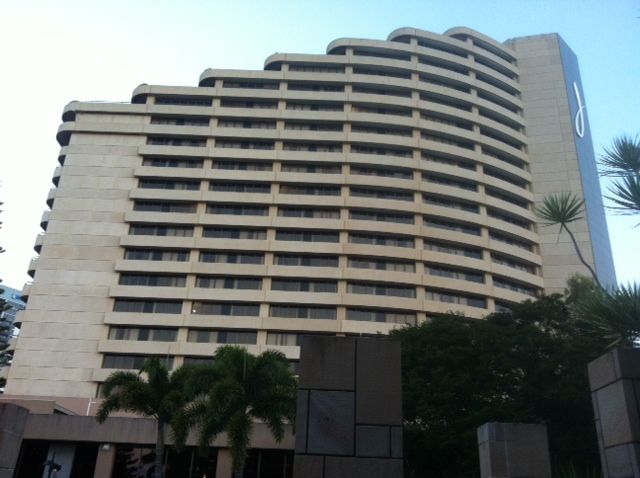
    Jupiter’s was built in the late 1980s as part of Australia’s initial casino mania. Today it’s looking its age despite several refurbishments in recent years.

    Apart from the gambling room, the complex’s main attraction is its proximity to the Gold Coast Convention and Exhibition Centre.

    Location

    Jupiter’s Hotel and Casino is located centrally on the Gold Coast in Broadbeach, around 4km South of Surfers Paradise and 20km North of the Airport, right next to the Pacific Fair shopping mall.

    The Casino sits on its own island some 500m away from the beach. The Gold Coast Convention Centre is a 200m walk from the hotel across an open air walkbridge.

    Most of the time that walk will be fine but be prepared to get soaked in wet weather.

    There is also a cheesy and largely pointless monorail that runs to the shopping complex across the highway. The $3 fare is reportedly waived for hotel guests but check at reception first.

    Check-in

    The front desk staff are friendly and helpful. There was no problem with checking in two hours before the official check-in time.

    Asking reception for some fresh milk for the tea making facilities was no problem.

    Rooms

    While it’s claimed there have been ongoing refurbishments since 2008, the rooms are dated and tired, despite a relatively recent paint job.

    Beds are comfortable and the blackout blinds do a good job of plunging the room into darkness and keeping the early morning or late evening sun out of the room on a hot day.

    The bathroom, mini-bar and tea making facilities are basic but adequate. Each room has a digital combination safe as well as ironing equipment.

    One aspect of the 1980s legacy is the scarcity of power points with only one double power outlet next to the fixed desk unit. Luckily there are nearby shopping centres to buy a powerboard if you can’t borrow one from reception.

    Rooms have wireless and wired Internet available for a fee, although it may waived for convention guests. Surfing and downloads are extremely quick.

    Amenities in the room are satisfactory with the standard range of free to air and cable TV stations including CNN, Bloomberg Asia and Sky.

    Unfortunately the room doesn’t have dressing gowns and it’s little touches like that which let the hotel down.

    Fitness Facilites

    the Gym is well equipped with the usual range of weights, rowing and walking machines and open from 5.30am on weekdays.

     It’s open to the public and could get crowded at busy times. The weekend times are fairly limited with Sunday being a stingy 8am to 4pm, Saturday’s are 7 to 5.

    If you want a swim, there’s a large, warm pool next door to the gym and lap swimmers can get a 25m stretch if it isn’t busy. The pool area is open from 6am to 9pm and also has two spa baths.

    Overall impressions

    Jupiter’s desperately needs an investor to spruce the place up. The public areas are looking  run down with chipped tiles and scuffed walls. Generally there’s a faded 1980s vibe about the place.

    That 1980s feel also comes from the patrons, a midweek stay at Jupiter’s will find you sharing with a lot of grumpy seniors who are presumably playing the pokies (slot) and games in the casino.

    In many respects Jupiter’s reflects much of what is wrong with Australian hospitality — a 1980s property that hasn’t had the investment to compete in the 21st Century catering for a declining, low value segment of the marketplace.

    Overall the hotel is adequate but there are better deals to be had on the Gold Coast.

    If you’re attending a conference at the Gold Coast Conference Centre then it may be worth checking out rooms at the nearby Sofitel or the many serviced apartments in the Broadbeach area.

    Paul stayed at Jupiter’s Hotel and Casino courtesy of Microsoft when attending the 2012 Australian TechEd conference.

    Similar posts:

  • Travel review – Jetstar JQ406 Sydney to Coolangatta

    Travel review – Jetstar JQ406 Sydney to Coolangatta

    One of the delightful aspects of the low cost airline model is the contempt management has for their customers.

    That scorn for the people who fund management’s salaries is guilty pleasure to watch on a third rate TV “reality” show, but it’s not fun when you’re on the receiving end.

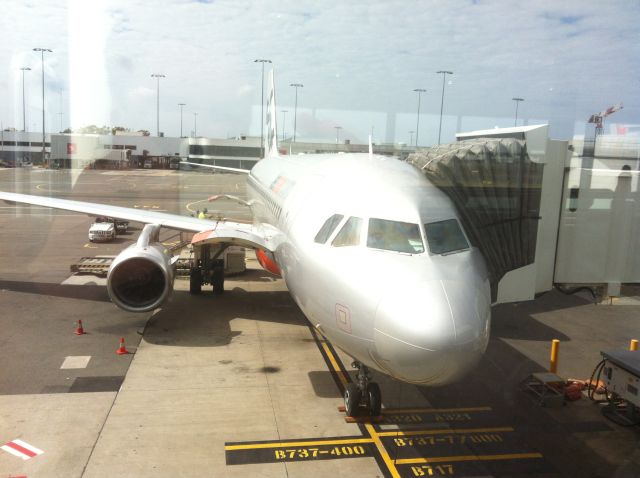
    So with a fixed smile and a grim determination not to to let the bastards grind me down, I headed to Sydney Airport to catch Jetstar’s flight JQ406 to the Gold Coast

    Check in

    It’s no conincidence people make reality TV shows documenting the clash of penny pinching, ticket clipping corporatism with the modern lumpenproletariat; the queues are long and the tempers are frayed.

    The key to your temper surviving Jetstar’s check in is not to have checked baggage so you can dodge the general grumpiness in the queues.

    Otherwise have your all your documents handy when you get to the check in clerk as they are quite friendly once they realise you aren’t going to mess them around.

    Seats

    A positive with Jetstar is the seats are spacious and comfortable compared to their Virgin competition and Qantas cousins.

    While seat comfort isn’t an issue on a one hour flight it is a plus on longer flights and actually makes Jetstar a reasonable choice if you want to sleep on a ‘red eye’ from Perth.

    Meals

    As a low cost airline, meals and drinks are an extra charge on Jetstar and really who can be bothered on a mid-morning one hour flight?

    During the Flight

    An irritation with JQ is the early “turn of electronic devices” policy that sees cabin crew telling you to turn off devices the moment the plane starts its descent.

    On short trips this weird policy means as little as twenty minutes time available to use a laptop or tablet, if you want to work on your flight then choosing Virgin or Qantas will give you more time to get things done.

    On arrival

    Baggage collection was surprisingly slow for a relatively quiet airport and Coolangatta Airport’s management save a few bucks by opening a minimum of luggage carousels which can cause crowds if two flight arrive at once.

    Getting away

    Coolangatta Airport is a delight for transport with plenty of taxis, including Maxi Cabs that seat half a dozen people and a regular city bus service that runs the length of the Gold Coast.

    Overall Jetstar delivers what it promises, an 21st Century air flight that does its best to imitate a 20th Century bus.

    If there is an alternative at a reasonable cost then go for it, otherwise accept the low prices and avoid checking baggage.

    Paul travelled to the Gold Coast courtesy of Microsoft to attend their Australian TechEd event.

    Similar posts:

  • Losing the hospitality battle

    Losing the hospitality battle

    Travel review site Tripadvisor released its 2012 Industry Index examining the 25,000 responses from hotels around the world and 1,000 Australian hospitality businesses who took part in the survey.

    The index covers a wide range of areas of how the hospitality industry is dealing with connected customers, the web and how hotels are dealing with the relative performances of markets in Europe, North America and Asia.

    A disturbing part of the survey was how many smaller businesses are falling behind their bigger competitors with less than half of Australian Bed & Breakfasts agreeing the statement that an “ability to book via my property’s website on a mobile device is ‘very important,” while 70% of hotels agreed.

    The failure of smaller properties to engage online is borne out anecdotally as well, at a recent business breakfast a B&B owner – whose main business was furniture retailing – moaned about the negative TripAdvisor reviews his place had.

    When it was suggested he might want to engage with the unhappy customers, the proprietor threw his hands up and said “our solicitor told us that it was too expensive to sue.” He wouldn’t accept that the dissatisfied guests might have a legitimate complaint that should be addressed.

    At the same time larger hotel chains have full time teams monitoring comments on Tripadvisor, Facebook and other online forums, fixing problems that are being mentioned and then telling the world they have resolved the issue.

    There’s a good reason for this. Ask someone planning a major holiday and you’ll find almost all of them are reading reviews on sites like Tripadvisor, Fodors or Lonely Planet’s Thorn Tree before booking accommodation or flights.

    While many of the hotel management responses are boilerplate – repeated replies like “Thank you for your review and we appreciate you taking the time to share with us your experience as we are always pleased to receive feedback from our valued guests” is not what social media or customer service is – at least there is a perception that senior management is listening.

    At many establishments senior management really is listening, a country manager of one of the world’s biggest chains describes how his three person team sends him a report each day of any complaints being listed online. These are checked out and any systemic problems they find such as surly front of house staff, poor housekeeping or incorrect billings are addressed immediately.

    Having a direct line to happy or dissatisfied customers is one of the major benefits social media offers businesses. That smaller hotels aren’t doing this while their multinational competitors indicates the independent sectors of the hospitality industry are falling behind the majors.

    The furniture shop owner with a B&B investment illustrated the problem, not only was he not engaging with dissatisfied customers on TripAdvisor, he had no idea whether his businesses were listed on Google Places, Facebook or any other online listing service – “my wife does that” was his dismissive answer.

    Possibly the most overused quote in modern business is ice hockey star Wayne Gretzky’s “skate to where the puck is going to be, not where it has been”. Those smaller hospitality businesses not taking the mobile web, review sites or social media seriously aren’t even in the skating rink in today’s game.

    There’s a lot more interesting ideas in the TripAdvisor report that should have any hospitality thinking about how customer service and marketing are evolving in a connected society. It’s worth a read.

    Similar posts: