Tag: advertising

  • Facebook goes places

    Facebook goes places

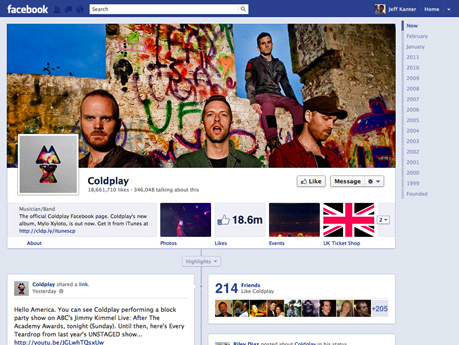
    The relaunch of local discovery service Facebook Places was low key and remained un-noted until picked up by a German blogger this week.

    Facebook’s local service is, on first look, quite impressive with it pulling together various features and data sources to give a quick guide to what’s on and what’s attractive in a city based on a user’s history.

    In that respect it’s a clear threat to Yelp!, Tripadvisor and Google; particularly given the convenience of using a single app and getting recommendations based on the service most people spend the bulk of their online time upon.

    At this stage it doesn’t appear the service is doing too much with the local business feature but it’s only a matter of time before those details start being fed into the algorithm as well.

    Once again it shows why listings are important for local businesses. It may also be that Facebook is cracking the largely untapped local business market.

    Similar posts:

    • No Related Posts
  • Social media’s fatal attraction

    Social media’s fatal attraction

    The story of Whisper and the betrayal of its users continues to roll on, but the real problem is the way social media services are desperately trying to recreate the dead business model of print advertising.

    Whisper’s problems with The Guardian continue as the company tries to salvage its reputation but the irony for the service is that it was trying to shoehorn its business to fit the print publishing model that the internet started to erode twenty years ago.

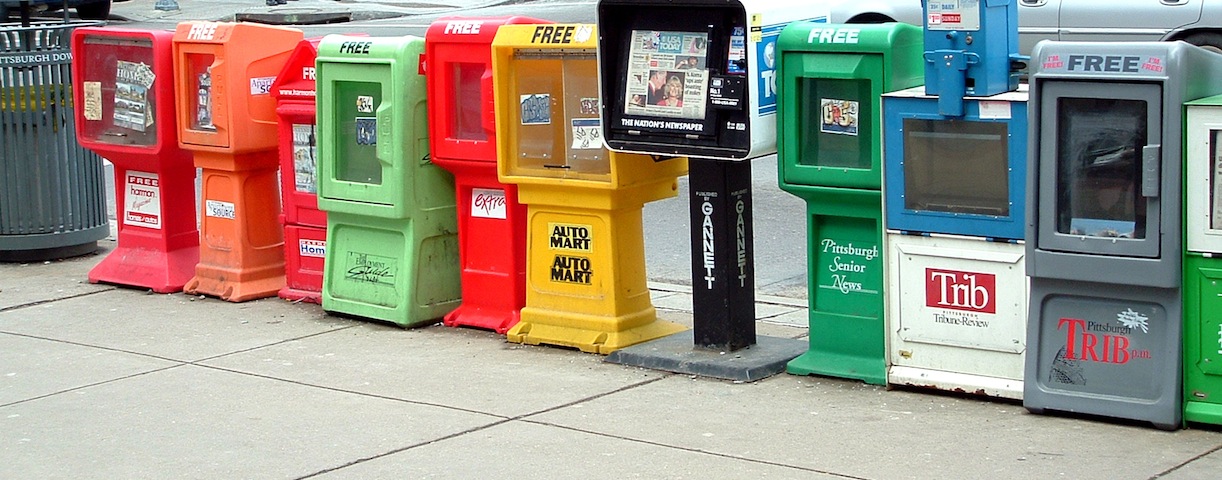
    It’s not just Whisper; almost every social media business from Facebook to Twitter wants to be an advertiser funded publishing company, just like the newspapers of thirty years ago.

    A few weeks ago I wrote about LinkedIn’s pretensions of becoming a publishing platform and this week Forbes tells of Pinterest’s adventures at the Cannes advertising festival as it sells its marketing services.

    Every social media service has some sort of angle that harks back to the golden age of newspaper publishing where print advertising was a deep river of gold. Most of them want to become publishers themselves.

    It would be hard to think of a service less suited to being a media company than Whisper; but then there’s Yelp whose main business of reviewing eating houses and bars seems to be totally at odds with newspapers of yore.

    On the Salesforce PayPal Media panel last week, Yelp! Founder Jeremy Stoppelman was asked if he saw the restaurant review site as being a media company, his response was “sure, it’s a blogging platform.”

    So we have new media aping the old media business models where these platforms try to lock users into information silos; in the same way that a London Times reader would never buy the Sun.

    The problem with that is the internet broke down the geographic barriers and today a Sun reader in London can just easily find celebrity gossip on TMZ and the broadsheet reader might find more thoughtful analysis in the New York Times.

    Certainly someone browsing the web for restaurant reviews might find a better site than Yelp while a bride researching wedding dresses could just as easily find ideas on Facebook as much as Pinterest.

    In reality, social media sites have nothing of the stickiness of the old fashioned newspapers in the days before the internet.

    Of the social media services it might be that Facebook is the best placed to succeed as an old media publishing service with its advertising smarts pushing messages to its diverse and deep user base but that isn’t certain given the widespread user dissatisfaction with its news feed.

    For the social media services much of the problem – -particularly for Facebook – lies in their contradictory aims; they are trying to be identity services, buying platforms, publishing services and advertisers.

    For publishers that balance between content and advertising was always a delicate one; and one that shifted over time. For online services that balance is far more complex and the future far less certain.

    One thing that is clear Is those contradictory aims aren’t going to be easy to reconcile and the quandary may prove to be insurmountable.

    What’s clear though are the advertising models of the future are still waiting for a David Sarnoff moment.

    Similar posts:

    • No Related Posts
  • Ello, Ello to a frustrated social media market

    Ello, Ello to a frustrated social media market

    Over the last week new social media service Ello has been in the news as the ‘anti-Facebook’ that doesn’t collect user details or push advertising onto feeds.

    Certainly Ello has touched the zeitgeist with reports claiming the service is getting 30,000 new signups every hour. It’s clear social media users aren’t happy with the existing services.

    Part of this discontent is due to social media’s growing pains as the platforms search for the business models to justify their massive valuations, with the consequence of users finding their streams being polluted with invasive and often irrelevant advertisements.

    Social dilemmas

    For Facebook in particular this is a problem as they have to balance the service’s relevance to users against the demands of ever desperate advertisers who want to post as many ads as possible into the feeds.

    Adding to the discontent is suspicions on how the existing social media services intend to trade users’ information. While many internet mavens may claim ‘privacy is dead’, most people are concerned at how a history of their likes, friends or conversations could hurt future relationships or job prospects.

    Which ties into Ello’s manifesto.

    Your social network is owned by advertisers.

    Every post you share, every friend you make, and every link you follow is tracked, recorded, and converted into data. Advertisers buy your data so they can show you more ads. You are the product that’s bought and sold.

    We believe there is a better way. We believe in audacity. We believe in beauty, simplicity, and transparency. We believe that the people who make things and the people who use them should be in partnership.

    We believe a social network can be a tool for empowerment. Not a tool to deceive, coerce, and manipulate — but a place to connect, create, and celebrate life.

    You are not a product.

    While Ello’s founders are right that Facebook, and to a lesser degree, Twitter are advertising platforms at present it may well be that social media’s days as a marketing tool are numbered as the business models mature.

    The evolving social media model

    Facebook’s announcement that it is going into the payments field is an indication that the businesses are maturing beyond the broadcast advertising model that worked so well for television and radio while Twitter’s struggles to shoehorn the old marketing tools into its business continue.

    The most successful social media platform to date is LinkedIn which makes less than a quarter of its revenues from advertising — down from 30% two years ago — with the company building revenues in its corporate talent finding services, something that makes LinkedIn’s ambitions to be a global content publisher somewhat strange.

    So it may well be that Ello aims to solve a problem that may not exist in the near future.

    Ello could turn out to be the ‘Facebook killer’ however the odds are stacked against it, what is clear though is the social media marketplace is telling the industry’s leaders that consumers aren’t happy. It’s something the marketers staking their future on social media need to keep in mind.

    Similar posts:

    • No Related Posts
  • The decline of Forbes magazine

    The decline of Forbes magazine

    A great piece by Michael Wolff in Town and Country describes how the Forbes family struggled with making their magazine work in the digital economy.

    For the Forbes family, it was always going to be hard stepping into the shoes of the late Malcolm after he unexpectedly passed away in 1990 and unfortunately for them that happened to coincide with the end of the great era of publishing wealth.

    Twenty five years later the family are largely removed from the publication which is a shadow of its former self with its best hope for survival lying with Asian investors who still see some value in the brand.

    What’s particularly poignant about Wolff’s story is the Forbes family did nothing wrong — they embraced the new platforms, experimented with digital and tried to find a way to make their business work in the online marketplace.

    As it turned out, the old advertising and publishing model was horribly and irredeemably broken.

    Forbes Magazine’s decline is an important tale for the whole publishing industry, for both the brash new entrants and for the struggling established players.


    Similar posts:

    • No Related Posts