Tag: communications

  • Closed for business

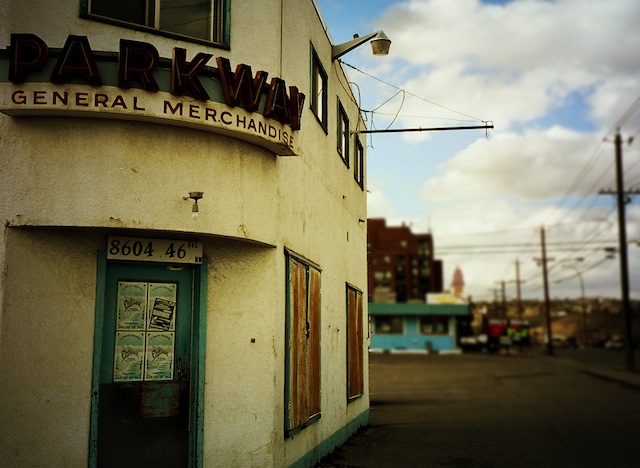
    Closed for business

    This post originally appeared in Smart Company.

    Many industries hoped this Christmas was going to be their saviour – across the country businesses in the retail, tourism, real estate and many other service sectors hoped they’d see an upbeat end to a tough year.

    When you’re doing it tough you don’t turn customers away, yet thousands of businesses did that over the Christmas and New Year break by not updating their website to reflect their holiday trading hours.

    Almost every business I encountered over the break had little – if any – information about their Christmas trading hours. In holiday towns where visitors are unfamiliar with the local businesses many cafes, restaurants and service businesses didn’t have a website or a local listing despite customers searching for them on iPads and smartphones.

    Smart Company’s sister site Property Observer discussed this problem in the real estate industry where tenants were being left with problems over Christmas because there are no emergency contact numbers shown on websites.

    What’s even more amazing about real estate agents in holiday areas is many pack up for a week or two and miss possible vacation rentals or even sales to enthusiastic out of towners. Who would have thought real estate agents would let commissions pass them by?

    For me, I found information lacking on sites for both small and big businesses. To check the opening hours of Myer stores for instance required downloading a PDF file, Australia’s biggest retailer surely can spare a few hours of a junior’s time to updating the opening hours in their already inadequate store finder.

    Similarly the City of Sydney fell down on their swimming pools, with their fabulous Victoria Park and Boy Charlton complexes both showing the wrong opening hours. This customer took his business to Leichhardt and North Sydney instead.

    Most of the local shops did poorly as well – few had any mention of opening hours at all let alone Christmas trading times. Those who did open probably missed business because people assumed they were closed or found another place online.

    Not updating a website would have made sense ten years ago when even the smallest change meant a fat bill from your web designer. Today online publishing tools like WordPress and Drupal mean there is no reason for you or your staff not to log on and make minor changes like revised hours or holiday specials.

    If you still fear a fat bill each time you ask for a change to the website then it’s time to sit your designer down and discuss making some changes to the way your site works – not to mention some strong words about your billing arrangements.

    Having up to date content isn’t just good for helping your customers, it also adds credibility to search engines like Google and Microsoft Bing which like sites that are regularly updated.

    Almost every business has something to say during the year, whether it’s a new product line, welcoming a new staff member or having a special offer. There are also seasonal factors like Christmas, back-to-school, end of financial year and whole range of annual events that affect your industry.

    The beauty of the web right now is that we aren’t constrained in what we want to say about our businesses, so next Christmas let your customers know great you are and which days and times you open.
    Similar posts:

  • Misunderstanding risk

    Misunderstanding risk

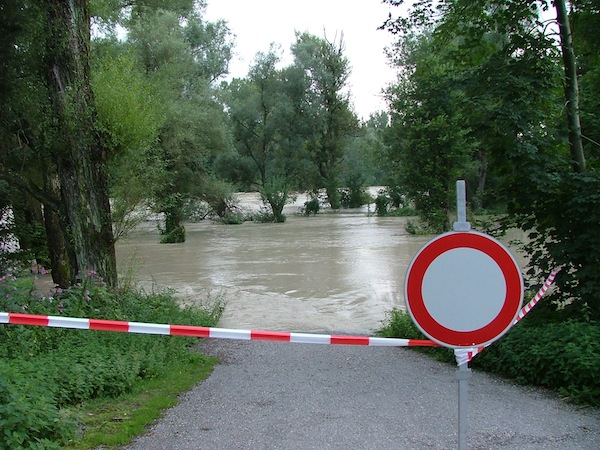
    During the recent snowstorms that affected Europe and North America, the summer floods that struck Australia were almost unnoticed except for those living in the inundated areas.

    The authorities wisely advised people, particularly tourists on their summer holidays, to avoid the affected areas.

    A friend of mine decided to ignore those warnings and take his family on a drive through those backroads despite multiple flood warnings and evacuations. In disregarding the risks, he’s not alone in Western society.

    Living the risk-free life

    In the Western world we believe we’ve engineered risk out of our society, that we can make investments without risk, that we can build houses in fire, flood or earthquake prone areas without risk, that we plan a holiday without the risk of snowstorms, volcanoes or accidents disrupting our  trips.

    As a society we believe the government will bail us because we’re good people and life, and fate, is always kind to good people.

    When things do wrong, our mobile phones will work, our emergency services will come promptly and the government will quickly shelter and support us until the insurance company comes good on the damage.

    Though it’s not just natural calamities where we believe this. It’s evident with people who quit their cubicles to find new enlightenment and riches as entrepreneurs.

    Most of them misunderstand the risk-reward ratio that for every wildly successful new business founder, there are dozens who blow their money chasing the dream and hundreds of us that would have been better off working for a salary.

    Finance markets and risk

    The subprime crisis is another good example; millions were lulled into buying property on the promise that real estate values never fell and that their no cash down, defray your payments for years deal was bullet proof. These folk did not understand, or were equipped to understand, that real estate prices could fall.

    During the subprime boom, the lenders thought they’d engineered out risk – Collateral Debt Obligations, default swaps and securitisation meant risk was a thing of the past – and they were proved wrong.

    Indeed, the most frightening thing is our banks today believe they are still bullet proof and their profits and executive bonuses are risk free as governments will bail them out at the slightest hint of trouble. When the history of The Great Recession is written, and we are still in the early chapters, the guaranteeing of our “too big to fail” banks may prove to be the biggest mistake of our generation.

    Because we believe there are no costs and little genuine threats to our lives, income or savings we don’t understand risks and therefore miscalculate them. If we think someone will be there to catch us, we’ll head up that flooded road, build that house in an earthquake zone or invest in that Ponzi scheme.

    We have to understand there are risks and there are limits our governments and societies have in responding when things go wrong. If it’s clear we don’t understand those risks, then it’s probably best not to take them in the first place.

    Endnote: My friend and his family made it back from the floods, although he ended up taking the family on four hour detour through some areas that sensible people would have avoided. Hopefully he’s learned a lesson about evaluating risks and won’t be taking his family into disaster areas again.

    AB6N9E4DEW64

    Similar posts: