Tag: computer hardware

  • Cracking open the black box

    Cracking open the black box

    One of the things confronting technology vendors in the past five years has been the commoditization of hardware and the opening up of standards. As software has eaten the computer hardware industry, those companies are being forced to make their systems more open.

    In that world of open systems, it’s the ecosystem of developers and products around platforms that drives success. The best example being the iPhone where the range of third party apps available made Apple’s product the most compelling on the market.

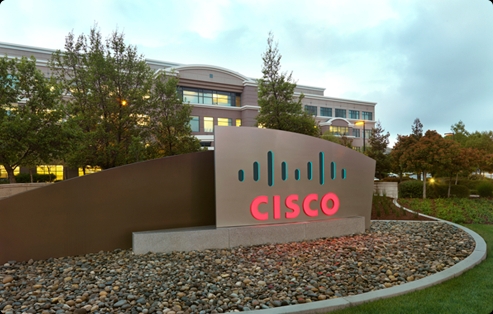
    At Cisco Live in Melbourne last week Susie Wee, the company’s Vice President in charge of the company’s DevNet developer relations program, described how the networking company is opening their systems with Application Program Interfaces (APIs) to build an ecosystem.

    “What we want to do is help people with this transition,” says Susie. “With the network, with the infrastructure and with the cloud we want people to get more out of it.”

    Cisco, like most hardware companies, are finding the shift to opening their data streams to be wrenching. The business model of a decade ago involved mysterious black boxes running on proprietary software with the data dished out sparingly.

    While the the ‘black boxes’ still remain, becoming a ‘platform’ and making data available to all comers is very much a cultural shift for once dominant hardware companies like Cisco.

    The question for IT hardware companies is how long they can defend their proprietary software systems – the hardware side is already slowly declining as software defined equipment takes over – while establishing dominance with their software and data feeds.

    Users too need to be treading carefully as those APIs and the data being fed through them is subject to the business imperatives of the

    Cisco hopes they can achieve this through their current market power and business networks, it is a hard ask for them though. For the entire tech industry, the shift to an API driven marketplace is going to be testing.

    Paul travelled to Cisco Live in Melbourne as a guest of Cisco

    Similar posts:

    • No Related Posts
  • The New Soviets

    The New Soviets

    US based investment writer Mike “Mish” Sherlock called Sony’s support line to get a repair for his recently purchased laptop computer.

    What followed was something from the 1970s Soviet Union – a simple request turned into a twelve day, 34 step odyssey of structural incompetence on the part of Sony.

    The tragic thing is Mike’s tale is all the result of mis-matched rewards in Sony’s organisation;

    • Sony’s management wanted to increase profits
    • Extended warranties were identified as a revenue generator
    • A senior manager decided cutting support costs would improve returns
    • The technical support is outsourced
    • Costs are saved by splitting contracts
    • Each outsourcer has a different IT platform
    • The outsourcing contracts have quotas and penalties
    • Individual staff are penalised for escalating problems
    • Support staff have tight performance criteria

    At every level performance indicators were met, despite the whole process costing far more than fixing the problem efficiently would have had – not to mention the loss of Mike as a customer – something that Sony can ill afford.

    Not surprisingly, the computer ended up being fixed by a local IT guy. Richard almost certainly earns a fraction of Sony’s Executive Vice President Group General Managers, or whatever the title they have to match their compensation packages is, yet he gets the job done.

    In Sony we see the Soviet model of management at work – an unaccountable, out of touch cadre of apparatchiks meeting their requirements under The Five Year Plan and are rewarded accordingly.

    Just like today’s Executive Vice President Group General Managers with their KPIs and bonuses.

    As we all know, the Soviet Union failed in 1991. One wonders when we’ll say the same thing about Sony or the dozens of other large corporations that have lost their way.

    Similar posts: