
Tag: computers

  • The irrelevant operating system

    The irrelevant operating system

    Last decade, people queued around the block to buy the latest version of Windows, today no-one cares. What next for a market that has become commoditised?

    When you visit a website your browser reports, among other things, what type of system you’re using. Net Applications – a US based web monitoring company who analyse online browsing statistics – keep a regularly updated list of what people are using when surfing the net.

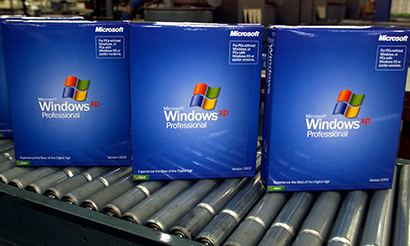
    On their latest statistics, Windows XP finally fell below 50% in September 2011, just on ten years after it was released. Windows 7 is taking over from XP while Apple steadily gain market share.

    These statistics show how the operating system has become irrelevant, only really dedicated geeks really care anymore about their version of Windows or whether a computer is running an Apple Mac or Microsoft product.

    As most computer users are drifting to cloud computing services and consumers are increasingly using their PCs to access online games and social media sites, it doesn’t really matter anymore what systems are used as long as they work.

    For many in the computer industry, this is a problem as they desperately want to sell a product in a market that has become commoditised. It’s another example of the PC industry’s broken business model.

    It’s not just the computer industry with this problem, the 3D TV hype of 2010 was a desperate attempt to sell new television sets in a market that had stalled; recession hit consumers had no desire to replace their perfectly good TVs that were less than a decade old, just like Windows XP users.

    This year’s Consumer Electronics Show that launches in Las Vegas this week will see similar desperation as the various PC and mobile phone manufacturers trying to generate excitement about their new products.

    For the journalists and PR folk at the CES the problem is customers largely don’t care anymore. As the failure of 3D TV illustrates, consumers aren’t buying the hype.

    Just as with operating systems, most customers want something that works, if you’re going to get them to replace older proven technology you’ll have to show where the new product adds value.

    The era of products flying off the shelves because they are new and shiny is over – just ask Microsoft about it’s operating systems.
    Similar posts:

  • The IT industry’s damaged business models

    The IT industry’s damaged business models

    JT Wang, Chairman of personal computer manufacturer Acer believes the release of Windows 8, Microsoft’s next operating system, will see a resurgence of sales for Windows based computers. Market trends suggest those hopes are in vain.

    Right now the Personal Computer market can be roughly split into two camps; those happily running Windows XP who have no need to upgrade and those who are delighted with Windows 7 who have no need to upgrade.

    Short of their computers breaking down, neither group have any good reasons to change to the new operating system as, unlike Windows 3.1, 95 or XP, there is no new technology breakthrough or advance to warrant making the jump.

    To make things worse for the PC manufacturers the rise of cloud computing services extends the life of older Windows XP systems and eliminates the biggest driver of new computer purchases in businesses – the software upgrade.

    During the PC era one of the banes of business owners were enforced software upgrades where vendors would release a new version of a program every year or two and withdraw support for the older editions.

    Frequently the newer software would require the latest hardware, forcing the business into an expensive and disruptive upgrade of all their IT systems.

    Today, software companies following the forced upgrade model are finding customers have viable cloud alternatives which destroys the revenue stream behind those frequent releases.

    When a customer moves to a cloud service, they also delay buying new desktop or server hardware which is partly driving the steady increase in the age of business computers.

    For computer manufacturers the release of Windows 8 could actually be bad news as customers will probably postpone system upgrades until the first service pack of the new operating system is released.

    Even if Windows 8 does deliver increased sales as JT Wang hopes, the trend of steadily falling PC prices as smartphones and tablet computers take market share is inevitable.

    The PC industry in both laptops and desktops has been a commodity industry for some years and any hope of establishing premium pricing from tablet computers has been dashed by the iPad’s competitive price points.

    Regardless of the hopes of the IT industry’s leaders, both the hardware and software sectors are under a lot of stress. It will be interesting to see who adapts to today’s market.


    Similar posts:

  • Microsoft’s lost decade

    Microsoft’s lost decade

    Amid the discussion of Steve Jobs standing down as Apple CEO last week, a quiet milestone was passed. Ten years ago last Wednesday, Microsoft released to manufacturers their latest operating system, Windows XP.

    Windows XP turned out to be the most successful computer operating system ever and probably marked the peak of the personal computer era.

    The glitz and glamour of the Windows XP launch showed the power of Microsoft at the time – their products dominated the desktop markets, Apple were crawling their way back to profitability and relevance with the iMac while mobile phones were barely capable of sending anything more than SMS messages.

    In 2001 the business model of Microsoft was built upon the perpetual upgrade cycle, as computers were expected to last three to five years which would then be replaced by new systems requiring an updated operating system with the latest office software.

    Ensuring maximum revenue from the upgrade cycle, Microsoft encouraged retailers to sell XP systems with bundled software locked to the individual computer, these “deals” made sure users would have to buy new programs when the existing machines were replaced.

    The three year upgrade coupled with the need to buy new software every time made Microsoft’s model seemingly unstoppable in 2001, but problems were already developing for this strategy.

    A major part of breaking the “upgrade every few years” mentality was the late running of Longhorn, Windows XP’s successor, which was released as Vista three years behind schedule and the product’s poor quality meant customers were reluctant to upgrade.

    Unfortunately the market rejection of Vista and the wait for the next version of Windows saw the rise of reliable and affordable cloud based services, that ran on web browsers which made the need to upgrade less pressing. Today many people are quite happily running seven and eight year old computers that meet their needs adequately.

    It would be foolish to write Microsoft completely as their revenue is still strong and in the past they have seen off major threats like Netscape and the web in 1995 and the rise of cheap Linux based netbooks in 2007. Google’s takeover of Motorola and HP’s abandonment of WebOS may open new opportunities for Microsoft on tablets and mobile phones.

    For businesses, the immediate lesson is to look closely at upgrading options however for managers and owners there’s a much bigger lesson when looking at how Microsoft lost its way in the last decade despite a seemingly untouchable and lucrative business model.

    Similar posts: