Tag: driverless cars

  • Daily links

    Daily links

    Today’s links are somewhat more upbeat; starting with Apple extending its lead over Android in smartphone activations, a teenager’s view on social media and Google’s declining market share.

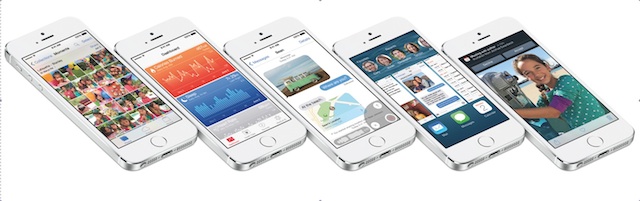
    Apple takes the lead in smartphone activations

    In their regular survey of mobile phone activations, research company Kantor found that Apple have taken the lead back from Android phones.  The Kantar Worldpanel ComTech global consumer panel monitors the brands of phones being connected through selected apps to give them an idea of what’s going on in the smartphone marketplace.

    While not an absolute numbers, and one that was inflated by the new range of Apple iPhones released late in the year, it’s clear Apple are by no means out for the count when it comes to the smartphone market.

    What teenagers think of social media

    I’m not sure how accurate or scientific this story is, but it illustrates how complex the social media industry is and how dangerous assumptions are with what age groups use new media channels for.

    How boring can driverless cars be?

    Another story points out driverless cars are actually quite boring to ride in. Maybe we’ll all catch the train insead.

    Google loses market share

    Since signing an agreement with Firefox to be the default search engine provider, Yahoo! sees its share of the marketplace spike upwards. Should Google be worried?

    So you thought a tech job was safe?

    Document service Evernote cuts jobs proving that even a job in the hottest parts of the tech sector isn’t safe. Notable in this story is the concentration of employment in two locations which shows Silicon Valley isn’t keen on remote working at all.
    Similar posts:

  • Designing the self driving car

    Designing the self driving car

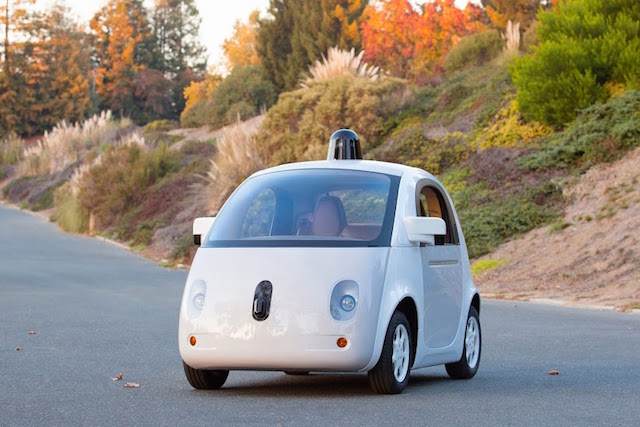
    “It certainly looks like an engineer designed it,” was one of the first reactions to Google’s announcement of its first full prototype self driving car.

    Certainly Google’s driverless vehicle looks odd, sort of like an overgrown carnival dodgem or an cartoon character police car.

    One of the interesting aspects of the driverless car is that many features into today’s automobiles aren’t necessary if you don’t have a driver – the obvious aspects being that a steering wheel, handbrakes and dashboard displays become unnecessary.

    Google have a video from earlier in the year showing the design and unveiling of the prototype. One of the fascinating aspects of the new device is how Google propose it can empower the sight impaired and disabled.

    The prototypes are stripped down vehicles with only a top speed of 25mph, with only two seats and little, if any luggage space. As the Oatmeal reports, riding in them is a little boring after the first few minutes.

    Looking at the Google vehicles it’s difficult not to think we could design something radically different if we moved away from our own prejudices of what a car should look like.

    At the beginning of last century, motor cars looked similar to the horse carts that were the standard transportation of the day; it was only in the 1930s the automobile fully took the form we recognise today.

    So it’s worth considering how we can optimise these vehicles to meet our needs and comfort rather than build them around the requirements of Twentieth Century technologies and usage.

    Tomorrow’s driverless cars will probably look very different to today’s vehicles and similarly our communities will adapt to a very different way of travelling. We will almost certainly find our cities will be very different when the driverless car becomes the norm.

    We need to think how to design them for that future, however far away it may be.

    Similar posts:

    • No Related Posts