Tag: economy

  • Reflections on our good fortune

    Reflections on our good fortune

    In his Christmas message, investment analyst John Mauldin quotes GaveKal’s Louis Gave on the good news in the global economy, that the UN has achieved some of its Millennium goals of alleviating global poverty.

    The UN has eight goals that were set out at the beginning of the century and in a progress report issued in September, United Nations Secretary-General Ban Ki-moon laid out the program’s successes.

    Of the eight goals, Ban Ki-moon cites reducing poverty, increasing access to safe water, improving the lives of slum dwellers and achieving gender parity in primary schools as being successes under the plan, although there’s much room for improvement.

    “The picture is mixed,” Mr. Ban said. “We can do better. The best way to prepare for the post-2015 era is to demonstrate that when the international community commits to a global partnership for development, it means it and directs its resources to where they are most needed.”

    A sad statistic is that aid to the 40 poorest countries fell by 7.9% in 2012 and the Doha round of global trade talks, where the hope is trade liberalisation will help the most disadvantaged economies, remains stalled.

    From a technologist’s point of view the adoption of the internet and IT is of interest with the report claiming the number of internet users in the developing world grew 12% while broadband penetration increased by a quarter.

    While those numbers are encouraging, it’s hard though not to think that in the poorest countries access to more fundamental agricultural technologies and infrastructure – such as reliable electricity, water and roads – is more critical to development than the internet and ICT.

    At Christmas, it’s worthwhile those of us in the affluent developed world consider how fortunate we’ve been to be born in a place and time that makes us the best fed and most comfortable humans that have ever lived.

    That good fortune isn’t shared by everyone on our planet and that’s something we should be considering when we look at the consequences of our personal economic, political and technology choices.


    Similar posts:

  • When entrepreneurship gets old

    When entrepreneurship gets old

    As part of their series on America’s aging population, Bloomberg looks at the story of 61 year old Lee Manchester who lives in a friend’s basement.

    While the Bloomberg story focuses on the contrast between Lee and her father who benefitted from the post World War II economic boom, the real story is Lee’s work history.

    Key to her work history is her setting up a business in 1986, that business failed in the late 1980s recession and Lee ponders what might have been had she not made that investment.

    Lee sometimes can’t help dreaming about the trips she’d be planning if she’d invested the $150,000 she spent to start a construction company.

    This is the downside setting up your own business that those currently peddling the cult of the entrepreneur don’t mention. If the business fails, and many do, then the costs can be high in lost savings and damaged career opportunities. Being an entrepreneur is high risk, hard work.

    We may well find though that more people find themselves launching businesses in their older years as the economic realities of the post baby boom era start to be felt by communities.

    In many respects though Lee is ahead of the curve, the generation behind her have no expectations of a long and affluent retirement, “the government will abolish the pension about two years before I retire” is the common theme among Gen Xer and Ys.

    For GenYs and Xers this attitude is realistic, the demographic sums that worked for Lee’s father are now working against them while the post war economic system that guaranteed Lew Manchester a safe job and company pension ceased to exist in the 1980s.

    Had boomers like Lee been thriftier, they would have still been hurt by a shift to 401(k) accounts from pensions in the 1980s. Thirty-seven percent of the elderly in the U.S. collect pensions, which provide some guaranteed income until they die. Fewer than 10 percent of boomers collect pensions, and that number is quickly shrinking.

    Lew’s generation were the lucky ones, while the boomers – particularly the early boomers born between 1945 and 55 – believe they are entitled to similar benefits as their parents, their reality is going to be a much harder and precarious existence into old age.

    While Lee is paying the price for interrupting her career with a stab at running her own business, in many ways she’s better prepared for a future that is going to require people of all ages to be more entrepreneurial.

    In fact, many of those baby boomers forced to become entrepreneurs may well enjoy it, “launching the business was the most fun I ever had and my way to fight a frightening medical diagnosis” says Lee.

    As the reality of their financial situation dawns upon them, many of Lee’s contemporaries are going to find themselves launching businesses long after the age they thought they were going to settle into a sedate retirement – lets hope they have fun too.

    Similar posts:

  • Cities of Industry

    Cities of Industry

    The latest Decoding The New Economy interview feature Laurel Barsotti, Director of Business Development at the City of San Francisco discussing how the city refound it’s entrepreneurial mojo.

    A notable point about Laurel’s interview is how she has similar views to Barcelona’s Deputy Mayor Antoni Vives about the importance of industry to San Francisco.

    For some time it was an article of faith in the Anglo-Saxon world that the west had become post-industrial economy where manufacturing was something dispatched to the third world and rich white folk could live well selling each other real estate and managing their neighbours’ investment funds.

    “Opening doors for each other” was how a US diplomat described this 1980s vision according to former BBC political correspondent John Cole.

    It’s clear now that vision was flawed and now leaders are having to think about where manufacturing, and other industries, sit in their economic plans.

    Barcelona’s and San Francisco’s governments have understood this, but others are struggling to realise this is even a problem as they hang on to dreams of running their economies on tourism, finance and flogging their decidedly ordinary college courses to foreign students.

    For some political and business leaders this is a challenge to their fundamental economic beliefs. It’s going to be interesting to see how they fare in the next twenty years.

    Similar posts:

  • It’s only technology

    It’s only technology

    “We treated Bitcoin as a tech story but now it’s become a much more serious economic story,” said a radio show compere earlier today when discussing the digital currency.

    One of the great frustrations of any technologist is the pigeon holing of tech stories – the real news is somewhere else while tech and science stories are treated as oddities, usually falling into a ‘mad professor’, ‘the internet ate my granny’ or ‘look at this cool gadget’ type pieces.

    Defining the world we live in

    In reality, technology defines the world in which we live. It’s tech that means you have running water in the morning, food in the supermarket and the electricity or gas to cook it with.

    Many of us work in jobs that were unknown a hundred years ago and even in long established roles like farming technology has changed the workplace unrecognisably.

    Even if you’re a blacksmith, coach carriage driver or papyrus paper maker untouched by the last century’s developments, all of those roles came about because of earlier advances in technology.

    The modern hubris

    Right now we seem to be falling for the hubris that we are exceptional – the first generation ever to have our lives changed by technology.

    If technological change is the measure of a great generation then that title belongs to our great grandparents.

    Those born at the beginning of last century in what we now call the developed world saw the rollout of mains electricity, telephones, the motor car, penicillin and the end of childhood mortality.

    For those born in the 1890s who survived childhood, then two world wars, the Spanish Flu outbreak and the Great Depression, many lived to see a man walk on the moon. Something beyond imagination at the time of their birth.

    It’s something we need to keep in perspective when we talk about today’s technological advances.

    Which brings us back to ‘it’s only a tech story’ – it may well be that technology and science are discounted today because we now take the complex systems that underpin our comfortable first world lifestyles for granted.

    In which case we should be paying more attention to those tech stories, as they are showing where future prosperity will come from.

    Similar posts:

  • Raising a citizens’ army

    Raising a citizens’ army

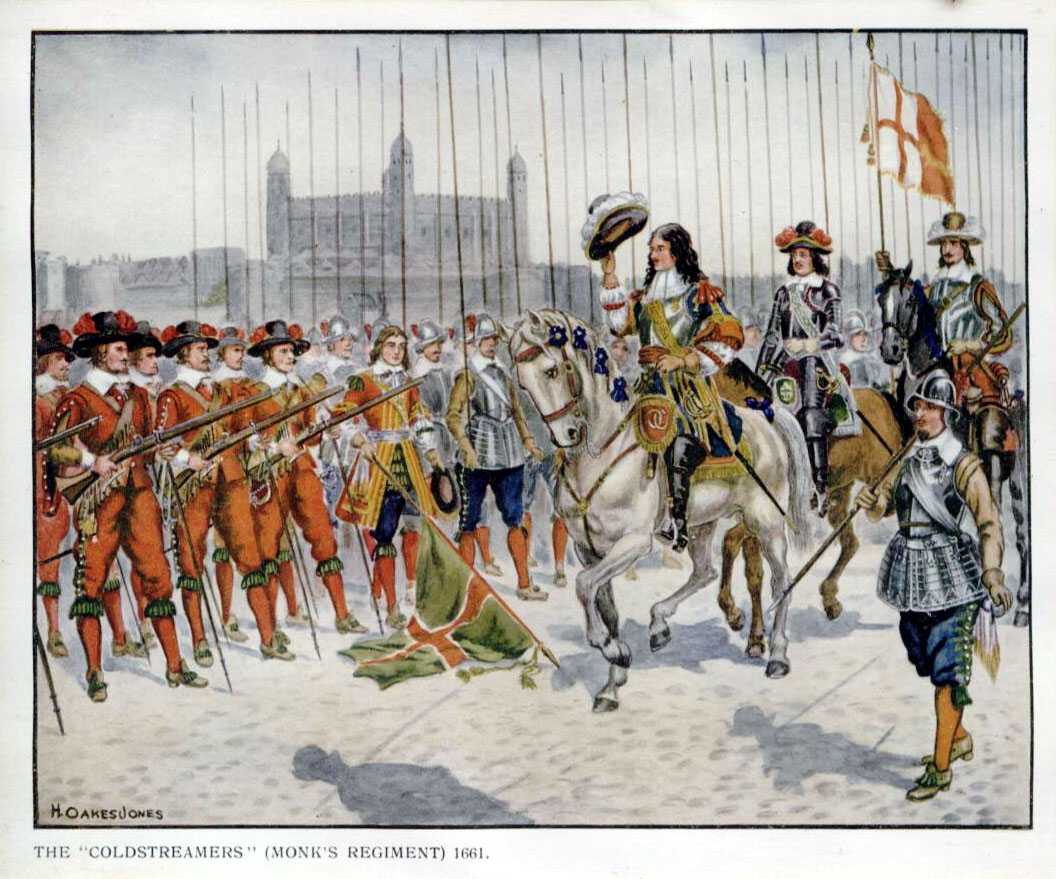
    In the English Midlands the leader of Birmingham City Council, the wonderfully named Sir Albert Bore, recently suggested a ‘citizens army’ be raised to provide services such as libraries that are being affected by budget cuts.

    Bore’s suggestion is a response to his council cutting library services in the face of community anger and legislative obligations, to assuage both pressures it’s hoped local volunteers can continue to run and maintain the threatened facilities.

    The bind Albert Bore and the Birmingham City Council find themselves in is a quandary all communities and governments are facing as an aging population causes tax revenues to decline at the very time the demand for government services increases.

    Faced with cuts, many groups are going to have to take matters into their own hands to keep services running. Some communities will do this well while others won’t.

    It’s also going to be interesting to see how this plays over generations with baby boomers being far more likely to volunteer than their GenX or GenY kids, something probably caused by more precarious job security in the modern job market and the need for younger couples to work harder and longer than their parents to pay their rent or mortgage.

    Angry baby boomers demanding the ‘government ought to do something’ may well find the onus is thrown back onto them to provide the services they believe they’re entitled to.

    What is the most fascinating part of this predictable situation is how governments around the developed world have blissfully pretended that this wasn’t going to happen as their populations aged.

    Perhaps the biggest citizens’ army of all will be the voters asking why the Western world’s governments and political parties ignored  obvious and inevitable demographic trends for the last fifty years. That would be a question worth answering.

    Similar posts: