Tag: energy

  • Cheap solar strands coal

    Cheap solar strands coal

    Last week Chilean power distributors signed a contract for solar generated power at the lowest rate ever, half the price of energy from coal powered generators.

    As  the cost of solar panels continues to fall, the need for coal and gas powered facilities continues to dwindle but given solar panels don’t need to be located in a central location, the nature of distribution networks is changing.

    With power generation becoming more localised, communities don’t need expensive connections to power grids. In disadvantaged regions and developing nations, villages that would have to wait decades to be connected, if at all, now have a pathway to dramatically improving their standards of living.

    Distribution companies that exploited their monopoly positions in providing power across wide networks are now having to reconsider the value of their expensive assets and lucrative business models.

    Those countries and companies who thought high coal prices would bolster their standard of living, such as Australia, must be rueing their focus on fossil fuels. The massive investments made by mining companies and compliant governments are now increasingly looking like stranded assets.

    Similar posts:

  • Investing in a low consumption economy

    Investing in a low consumption economy

    Four days at the Autodesk University in Las Vegas last week confirmed how a radical change has happened in economic development since the turn of this century. The question is whether business and national leaders will accept this new reality.

    Andrew McAfee’s session at the Autodesk opening keynote illustrated the declining use of commodities by advanced nations. McAfee’s point dovetailed nicely with that of Kevin Ashton a few weeks earlier in Sydney that energy consumption of devices is falling as well.

    Showcased at the conference were the new manufacturing processes, design methods and smart materials showing how we’re now in an age where increasing living standards are not coupled to rising consumption rates.

    Falling use of energy and resources, even while living standards and functionality grow, is a direct contrast to the economic models of the past three hundred years where increasing affluence and quality of life meant exponentially increasing demands for energy and commodities.

    This point has been missed by many businesses and policy makers, particularly in Australia where the assumption of ever increasing demands for energy has seen massive over-investment in coal and gas export facilities along with the tragic gold plating of the electricity distribution at cost that’s now crippling the nation’s industries and households.

    Businesses, and nations, that haven’t recognised the trends will need admit the error, write off those costs and move onto the new model.

    For voters, consumers and investors it’s time to demand leaders of business and government accept the 21st Century economic model is very different to that of the previous century.

    Similar posts:

  • Business in an age of data abundance

    Business in an age of data abundance

    I’m preparing a corporate talk for next week on the changing economy and one theme that sticks out is how the Twentieth Century was defined by cheap energy and physical mobility as mains electricity and the internal combustion engine became ubiquitous and affordable.

    The picture accompanying this post illustrates that shift, Sydney’s Circular Quay a hundred years ago was just at the beginning of the automobile era. The previous fifty years had bought trams, the telegraph and reliable shipping but the great strides of the Twentieth Century were still to happen.

    At that stage the steam engine and advances in electrical transmission had bought reliable power to the masses, although it was still expensive. What was to come over the next fifty years was that energy was about to become cheap and abundant. That drove the suburbanisation of western societies and the development of industries around the availability of cheap power and a mobile workforce.

    At the time though information was still expensive, the control of broadcast networks by a few license holders and print operations by those who could afford the massive costs of producing and distributing magazines or newspapers made data difficult to get and worth paying for.

    Today we’re at the start of a similar shift in information; it’s no longer expensive or difficult to obtain.

    What that means for the next thirty years is what industries will develop in an economy where information is basically free and ubiquitous. Just as cheap energy created the consumerist economy, we’re going to see a very different environment in an age of cheap data.

    Similar posts:

  • Hydrogen trams take to the street

    Hydrogen trams take to the street

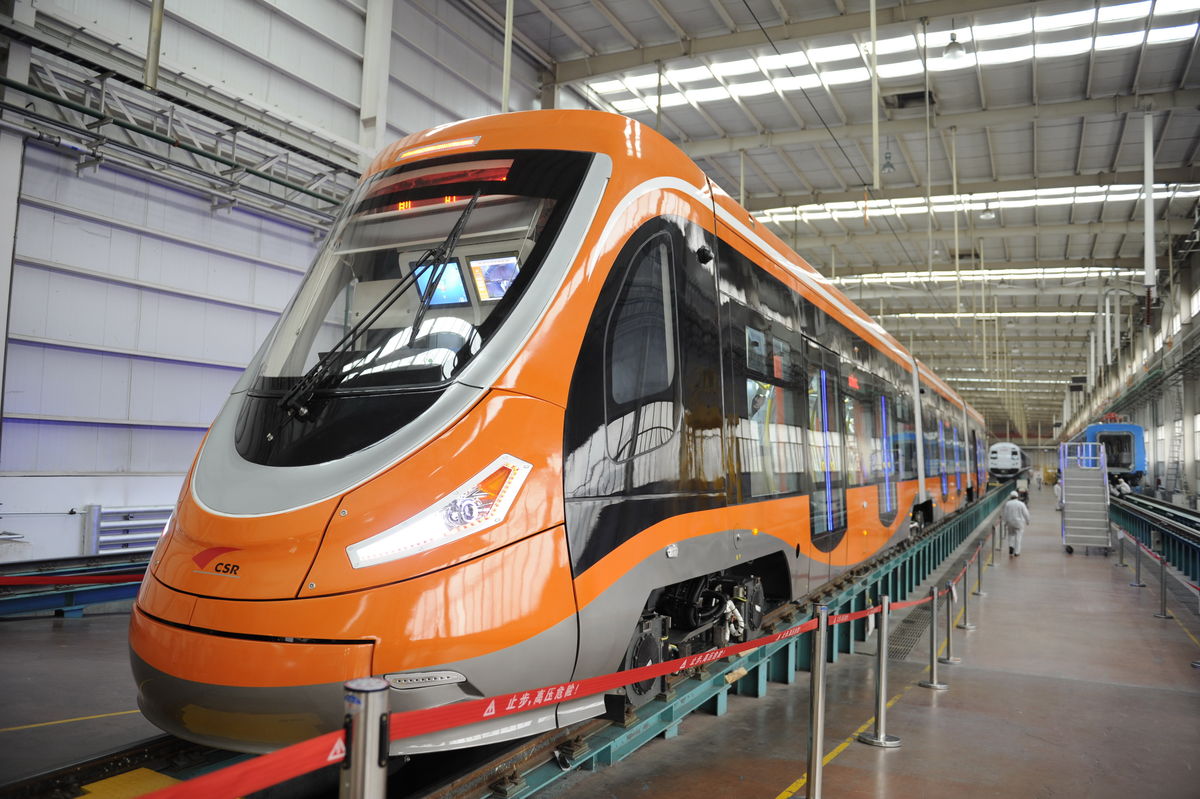
    China doesn’t have many trams but that might change soon as the coastal city of Qingdao rolls out their new streetcar system.

    What makes Qingdao’s system particularly notable is the trams will run on hydrogen with water being the only by-product of the vehicle.

    The Qingdao city leaders hope the hydrogen trams will reduce the chronic air pollution the city, like most Chinese urban centres, suffers.

    Should the trams be successful, hydrogen fuel cells will be another shift from mains electricity and motor vehicles. As we’re seeing, being off the grid might soon be a viable option.

    Similar posts:

    • No Related Posts
  • How Green is the Internet?

    How Green is the Internet?

    Earlier this month Google hosted “How Green is the Internet?“, a summit which looked at the environmental costs of the connected society and technologies like cloud computing and Big Data.

    The environmental impact of the internet and related technologies is a subject worth exploring, like all industries there are real costs to the planet which usually aren’t bourne by those who make the profits or reap the benefits.

    In complex modern supply chains which often span the globe, the costs are not often apparent either. What appears to be a relatively clean, innocuous product to city consumers could have terrible environmental consequences for others.

    Google’s summit is a good example of overlooking many external costs in that most of the conversations looked at reducing energy usage, understandable given the company’s dependence on power hungry data centres which drive their cloud computing services.

    move-to-cloud-cost-savings-on-the-internet

    Energy usage is important in the discussion about digital technologies – the businesses of bits and bytes almost wholly relies upon having constant and reliable electricity supplies and power generation is one of the most environmentally damaging activities we engage in.

    Focusing on energy consumption though is not the only aspect we need to look at when examining how green the internet is, there’s many other costs in building the supply chain that enables us to watch funny cat videos in our homes or offices.

    The entire supply chain is complex and the session on infrastructure costs by Jon Koomey of Stanford University touched on this; there’s the environmental costs of building data centres, of manufacturing routers, of laying cables and – probably the most difficult question of all – what do we do with the e-waste generated by obsolete equipment.

    Little of this was touched on in the Google conference and it’s interesting that the tech industry is focusing on the energy costs while overlooking other effects of a global, complex industry.

    That isn’t to say the energy story isn’t valid. A number of the Google speakers emphasized the indirect energy saving costs as cloud computing and Big Data allows more intelligent business decisions that make industries and daily life more efficient.

    A favourite example is the use of car parking apps where drivers save energy and reduce pollution because they aren’t driving around looking for the parking spaces. This puts Google’s acquisition of traffic app Waze into perspective.

    Reducing driving times is just one area of where the internet is improving energy efficiency and these are important factors when considering the ‘greenness’ of the web.

    However without considering the full impact of building, maintaining and disposing the equipment that we need to operate the internet, we aren’t really looking at the entire impact the internet is having on the planet.

    Google’s conference though is a good starting point for that discussion which is one that every industry should be having.

    Similar posts: