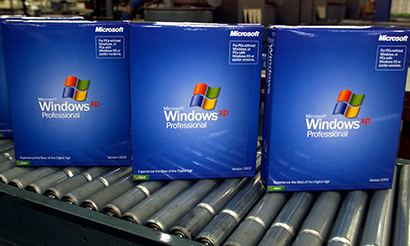
Amid the discussion of Steve Jobs standing down as Apple CEO last week, a quiet milestone was passed. Ten years ago last Wednesday, Microsoft released to manufacturers their latest operating system, Windows XP.
Windows XP turned out to be the most successful computer operating system ever and probably marked the peak of the personal computer era.
The glitz and glamour of the Windows XP launch showed the power of Microsoft at the time – their products dominated the desktop markets, Apple were crawling their way back to profitability and relevance with the iMac while mobile phones were barely capable of sending anything more than SMS messages.
In 2001 the business model of Microsoft was built upon the perpetual upgrade cycle, as computers were expected to last three to five years which would then be replaced by new systems requiring an updated operating system with the latest office software.
Ensuring maximum revenue from the upgrade cycle, Microsoft encouraged retailers to sell XP systems with bundled software locked to the individual computer, these “deals” made sure users would have to buy new programs when the existing machines were replaced.
The three year upgrade coupled with the need to buy new software every time made Microsoft’s model seemingly unstoppable in 2001, but problems were already developing for this strategy.
A major part of breaking the “upgrade every few years” mentality was the late running of Longhorn, Windows XP’s successor, which was released as Vista three years behind schedule and the product’s poor quality meant customers were reluctant to upgrade.
Unfortunately the market rejection of Vista and the wait for the next version of Windows saw the rise of reliable and affordable cloud based services, that ran on web browsers which made the need to upgrade less pressing. Today many people are quite happily running seven and eight year old computers that meet their needs adequately.
It would be foolish to write Microsoft completely as their revenue is still strong and in the past they have seen off major threats like Netscape and the web in 1995 and the rise of cheap Linux based netbooks in 2007. Google’s takeover of Motorola and HP’s abandonment of WebOS may open new opportunities for Microsoft on tablets and mobile phones.
For businesses, the immediate lesson is to look closely at upgrading options however for managers and owners there’s a much bigger lesson when looking at how Microsoft lost its way in the last decade despite a seemingly untouchable and lucrative business model.