Tag: Intel

  • Intel and the upgrade cycle

    Intel and the upgrade cycle

    Once dominant PC industry duo Microsoft and Intel have had their positions shaken with the rise of cloud computing and smartphones. Can the PC upgrade cycle help them reclaim their fortunes?

    In the early days of the PC industry, chips mattered. Twenty years ago the release of the Intel 486 CPU was big news and careers rose or fell depending on whether an IT manager chose DX-33 or SX-66 chips for the company’s fleet of desktops.

    Today few people care enough to get passionate about what’s driving their smartphone or tablet computer.

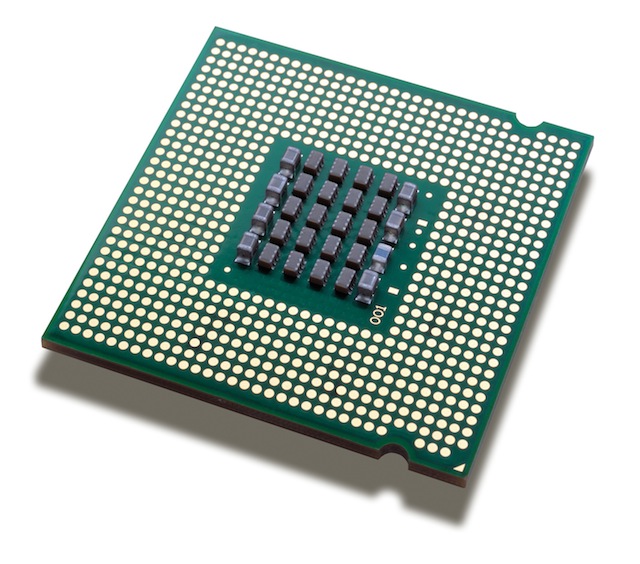
    Intel, who are currently promoting their new range of Central Processing Units, and Microsoft are in an interesting position as their traditional dominance in server, desktop and laptop computers is being challenged by the rise of smartphones and tablet devices.

    For most of the 1990s and 2000s the two companies dominated the PC market so completely that the generic term for the sector was ‘Wintel’ – the combination of Windows and Intel.

    A core part of the old Wintel business model was the four year upgrade cycle, that most computers would be replaced every three to five years giving Microsoft, Intel and the rest of the IT industry a ready made market for new equipment.

    That business model was broken by Microsoft’s disastrous Vista operating system and never recovered as non Wintel portable devices and cloud computing services took away the need to upgrade a server, desktop or laptop computer every four years.

    For Intel, matters weren’t helped by their powerful but energy hungry chips not being suitable for tablet computers and smartphones which further eroded their sales as the market moved to portable devices.

    Despite those changes to the marketplace, Intel continue to focus on that four year cycle, at their media lunch in Sydney yesterday they emphasised the costs of running older technology.

    They do have a point with their claims that servers older than four years deliver four percent of the computing power but consume 65% of the energy, making those antiquated systems far less efficient than newer equipment.

    Unfortunately for Intel many businesses will be looking at outsourcing their servers to the cloud when the next technology refresh comes along, so the energy and efficiency arguments are a different matter.

    On the desktop, things are somewhat different as most workers still prefer to work at a PC and Intel do have a case for upgrading both business and home systems.

    Probably the biggest opportunity will be Microsoft’s pending retirement of Windows XP which will see a wave of business and home users who’ve been content with decade old computers looking at moving off systems that are no longer supported.

    Another feature going for Intel and Microsoft are newer computer technologies such as touchscreens and Intel’s own wireless display technology, branded as Wi-Di, which older systems can’t support.

    Whether this is enough to entice technology addled consumers and businesses across to new systems remains to be seen, but it’s a challenge for both Microsoft and Intel to reclaim their once dominant market positions.

    Similar posts:

    • No Related Posts
  • Was the netbook the Trabant or Model T of the computer world?

    Was the netbook the Trabant or Model T of the computer world?

    Taiwanese technology website Digitimes reports Asustek have shipped their last eeePC netbooks, bringing to an end a product that promised to change the computing world when they were first released in 2007.

    At the time the eeePC netbook picked up on a number of trends – cheap hardware, the maturity of the open source Linux operating system, affordable wireless access and, most importantly, the accessibility of cloud computing services.

    There’d been a pent up demand for usable portable computers for years but Microsoft and their hardware partners consistently released clunky, overpriced tablet computers that simply didn’t deliver on their promises.

    For users wanting a cheap, fairly robust portable computer then netbooks were a good choice, at the price you could even risk having one eaten by lions.

    into the lions den with an Asus eeePC netbook

    Unfortunately for netbook a few things went against the idea.

    Customers don’t like Linux

    An early blow to the eeePC was that retail users don’t like Linux. Most computer users are happy with Windows and MacOS and weaning them off what they know is a very hard sell.

    Sadly on this topic I have first hand knowledge having suffered the pain of co-founding a business in the mid 2000s that tried to sell Linux to small businesses.

    Asustek discovered this when they found customers preferred the more expensive Windows XP version over the original Linux equipped devices.

    Unfortunately Microsoft’s licenses damaged the economics of the netbook and held the manufacturers hostage to Microsoft who, at the time, wasn’t particularly inclined to encourage customers to use cloud services.

    Manufacturer resistance

    Microsoft weren’t the only supplier unhappy with netbooks. Harry McCracken at Time Tech describes how chip supplier Intel worked against the products.

    For manufacturers, the netbooks were bad news as they crushed margins in an industry already struggling with tiny profits. However all of them couldn’t ignore the sales volumes and released their own netbooks which cannabilised their own low end laptop and desktop ranges.

    In turn this irritated the army of PC resellers who found their commissions and margins were falling due to the lower ticket prices of netbooks.

    The rise of the tablet

    The one computer manufacturer who stayed aloof from the rush into low margin netbooks was Apple who had no reason to rush down the commodity computing rabbit hole. It was Steve Jobs who launched the product that made netbooks irrelevant.

    “Netbooks aren’t better at anything… they are just cheaper, they are just cheap laptops” Jobs said at the iPad launch in January 2010.

    Immediately the iPad redefined the computer market; those who’d been waiting a decade for a decent tablet computer scooped the devices up.

    Executives who wouldn’t have dreamt of replacing their Blackberries with an iPhone, let alone using an Apple computer proudly showed off their shiny iPads.

    The arrival of the iPad in boardrooms and executive suites also had the side effect of kick starting the Bring Your Own Device movement as CIOs and IT managers found that their policy of Just Say No was a career limiting move when the Managing Director wanted to connect her iPad to the corporate network.

    Rebuilding PC margins

    Around the time of the iPad’s released the major PC manufacturers declared a detente over netbooks and joined Intel in developing the Ultrabook specification.

    Intel designed the Ultrabook portable computer specification

    The aim of the Ultrabook was to de-commodify the PC laptop market by offering higher quality machines with better margins.

    While the Ultrabook has worked to a point, competition from tablet computers and the demands of consumers who’ve been trained to look for sub $500 portables means the more expensive systems are gradually coming down to the netbook’s price points.

    Today’s Ultrabook will be next month’s netbook.

    For the PC manufacturers, the lesson is that computers have been a commodity item for nearly a decade and only savvy marketing and product development – both of which have been Apple’s strengths – is the only way for long term success in the marketplace.

    Those US based manufacturers who haven’t figured this out are only go to find that Chinese manufacturers – led by companies like Taiwan’s Asustek – will increasingly take the bottom end of the market from them.

    The car industry is a good comparison to personal computers in commoditisation – with the passing of the netbook, the question is whether we’ll remember the eeePC  as a Trabant, Model T Ford or a Volkswagen Beatle.

    Similar posts: