Tag: internet of machines

  • Latently obvious – the importance of data networks

    Latently obvious – the importance of data networks

    One of the big buzz phrases of 2013 is going to be “the internet of everything” – where machines, homes and even clothes are connected to each other.

    In the near future, we’re going to be more surprised when things when things like cars, washing machines and home automation system aren’t connected each other.

    To get all these things talking to each other requires reliable communications with low latency – quick response times – so technology vendors are seeing big opportunities in this area.

    Last night Blackberry launched its new platform and the beleaguered handset company’s CEO Thorsten Heins was adamant in his intention to focus his business on the internet of machines where he sees connected cars and health care as being two promising areas.

    Blackberry isn’t alone in this with the major communications providers and telcos all seeing the same opportunities.

    Cisco has been leading with their role in ‘the internet of things’ and much of their Cisco Live conference in Melbourne two weeks was spent looking at the technologies behind this. The company estimates the “internet of everything” will be worth 144 trillion in ten years.

    Rival communications provider Ericsson sees the revenue from this sector being worth $200 billion by 2017, so it’s not surprising everyone in the telecommunications industry want to get a slice of it.

    The question is though how to make money from this? Most of these communications aren’t data heavy so metering traffic isn’t going to be the deliver the revenues many of these companies expect.

    If offering priority services with low latency is the answer, then we hit the problem of ‘net neutrality’ which has been controversial in the past.

    Whichever way it goes, businesses will want to be paying a premium to make sure their data is exchanged quickly and reliably. For many organisations data coverage and ping speeds are going to be the deal breakers when choosing providers.

    The ‘machine to machine’, or M2M, internet market is something we’re going to hear more about this year. It’s clear quite a few executives are staking their bonuses on it.
    Similar posts:

  • Retail and the internet of machines

    Retail and the internet of machines

    Online retail and payment giants Ebay and PayPal hosted a media lunch in Sydney yesterday to publicise their Australian Business Update.

    While eBay dominates the online selling market, PayPal’s position in the payment market place is extremely powerful with Internet monitoring company Comscore reporting in their Digital Wallet Roadmap how PayPal dominates the US market and does likewise in other markets like Australia.

    PayPal's US market lead

    Their update confirms the trends which have been obvious for some time, particularly in how mobile devices are now driving retail. eBay’s research indicates properly implemented multichannel strategies drives six times more sales than just having an online presence.

    What was particularly notable with eBay’s presentation was how the Internet of Machines is changing the retail and logistics industries as smartphones and connected point of sales systems are cutting out jobs and middle men.

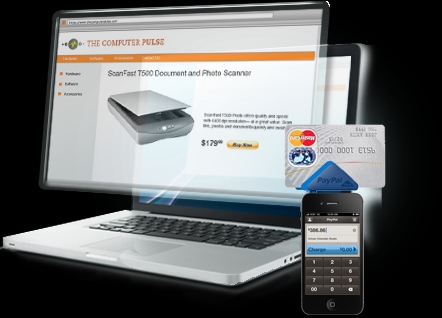
    Paypal are particularly proud of their US partnership with cash register manufacturer NCR that integrates smartphone payments with the point of sales systems in restaurants, convenience stores and gas stations.

    eBay illustrated this with their examples of coupon offers being tied to smartphone payment systems so people paying for gas with their smartphone get a voucher offer for various up sells.

    Studies in the US have found a $10 offer can result in sales of up to $100. A pretty compelling deal for most merchants.

    With these technologies, we’re seeing how connected machines are changing even the most mundane business tasks.

    It may well be that the days of the service station cashier are numbered; it’s quite possible that in one generation we’ll have gone from full staffed gas stations to totally automated facilities.

    The example of gas station attendants and cashiers is just one example of how automation is changing many retail and sales tasks. It would be a brave person to say their job isn’t safe.

    Similar posts: