Tag: internet of things

  • The Australian Internet of Things Forum

    The Australian Internet of Things Forum

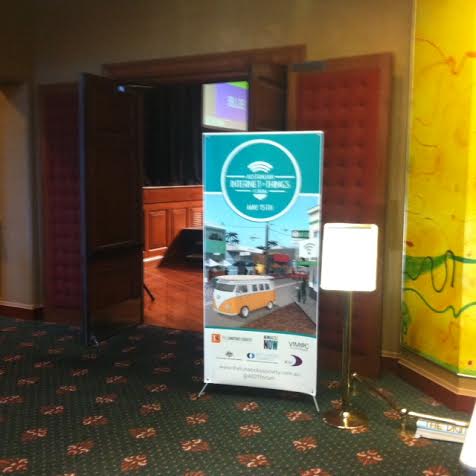
    The first Australian Internet of Things was held in Newcastle today which I MC’d and managed to give a quick presentation on my Geek’s Tour of Barcelona.

    Big Data was the big message from all the day’s sessions with every speaker touching on the challenge of understanding and securing the vast amounts of data collected.

    It’s interesting how the technologists — and most of the material was quite high level — have identified this as the main problem facing management with the Internet of Things.

    A key take away from the forum is that the clear opportunity for entrepreneurs with the IoT lies in giving businesses the tools to understand the data.

    One of the reasons for the event was to launch the Kaooma Project that aims to link local businesses to the Internet of Things. The local business angle is something that needs to be explored in more depth.

    Similar posts:

    • No Related Posts
  • Securing the industrial internet

    Securing the industrial internet

    One of the big concerns with connecting devices to the public internet is security, particularly when equipment that was never intended to be on the net is suddenly wired up.

    When the world’s computers started to be connected to the Internet in the mid-1990s it became apparent very quickly that most of the operating systems then in use were hopelessly vulnerable to security problems.

    The worry is the same thing will happen today with the Internet of Things, particularly with household equipment which – if the PC industry’s experience is anything to go by – will open up whole new fields of risk to homeowners.

    While having your kettle or home networked hacked could be painful, it’s nothing compared to the risks of infrastructure or vital equipment being compromised.

    So GE’s acquisition of security company Wurldtech is an important development as it focuses on the software aspects of its products and the Industrial Internet – GE’s own term for the internet of things.

    Techcrunch’s Ron Miller has a good run down on GE’s purchase of Wurldtech where Neil McDonnell, the CEO of the acquired business, describes the company’s two pronged approach to security.

    First, they do testing to discover vulnerabilities in the system and they certify sites that are secure. Secondly, they provide specific security solutions around a system such as a substation or pump.

    For GE, Wurldtech will help them secure existing infrastructure and equipment that’s being connected to the net, what they learn should also help designers of the next generation of equipment build security into their products.

    GE’s acquistion of Wurldtech is another example of just how seriously engineering companies are taking security in the internet of things, hopefully those building consumer systems are paying attention too.

    Similar posts:
    • No Related Posts
  • Connecting bridges to the internet of things

    Connecting bridges to the internet of things

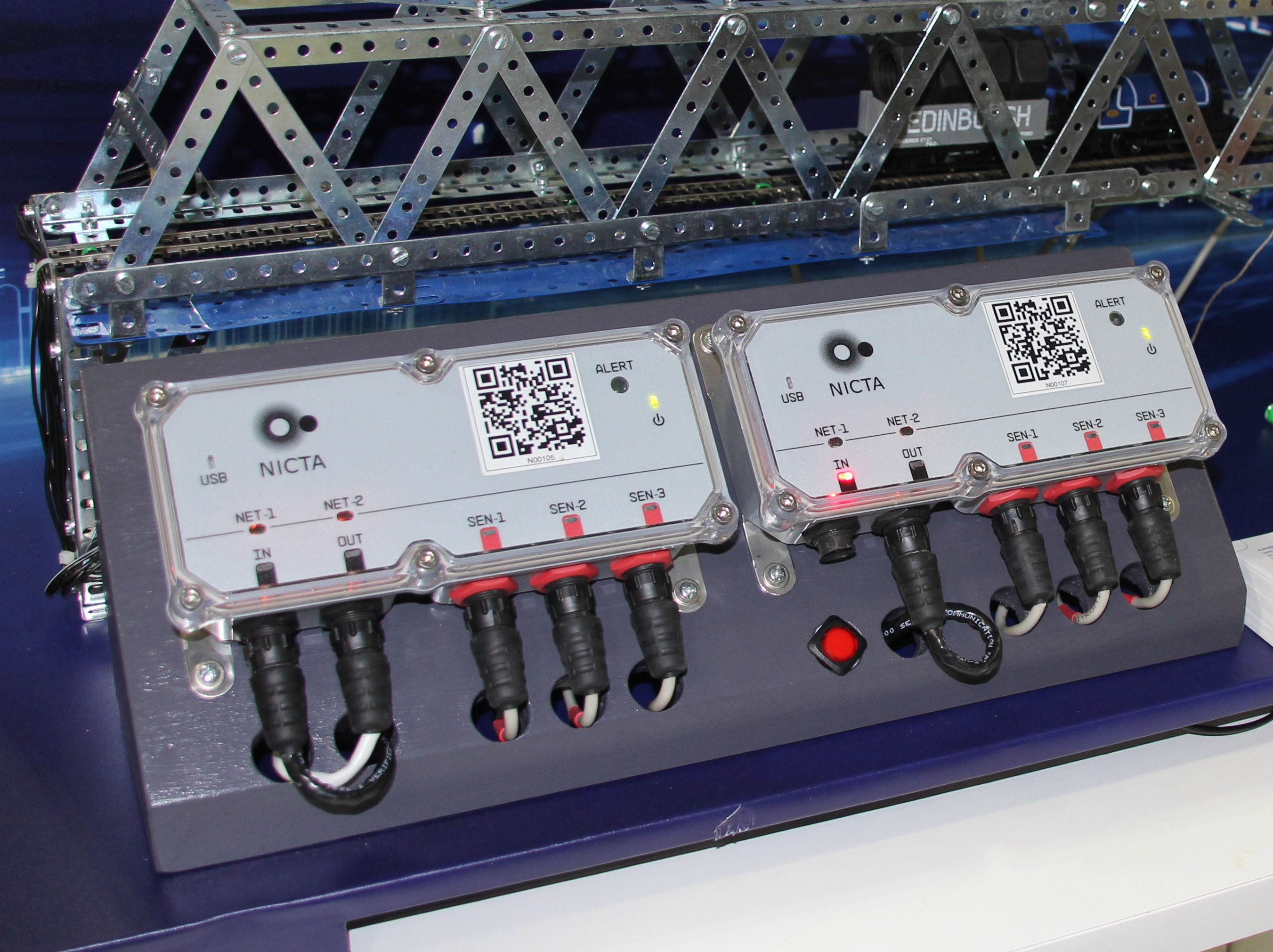
    On Networked Globe today I have a description of NICTA’s Sydney Harbour Bridge Monitoring Project where the research agency is rolling out 800 sensors across the structure to reduce maintenance costs.

    The project a good example of how cheap sensors and abundant computing power is changing workplaces, connecting the bridge to the Internet of Things makes it easier for asset managers and engineers to understand what is happening to their structure.

    While the project promises a lot, it’s only a fraction of what’s possible as the sensors are only measuring movements so there’s a lot more they can do.

    The big promise though is for smaller structures than the Sydney Harbour Bridge. Around the world local governments are struggling to maintain their assets, if NICTA can develop a feasible monitoring product then many agencies will be looking at how they can reduce their budgets.

    While we tend to focus on connected kettles and other household devices when we talk about the internet of things, the real benefits and profits lie in the ‘big iron’ industrial and infrastructure applications.

    Similar posts:

  • Computing in a fog

    Computing in a fog

    One of my favourite IT industry buzz words is fog computing.

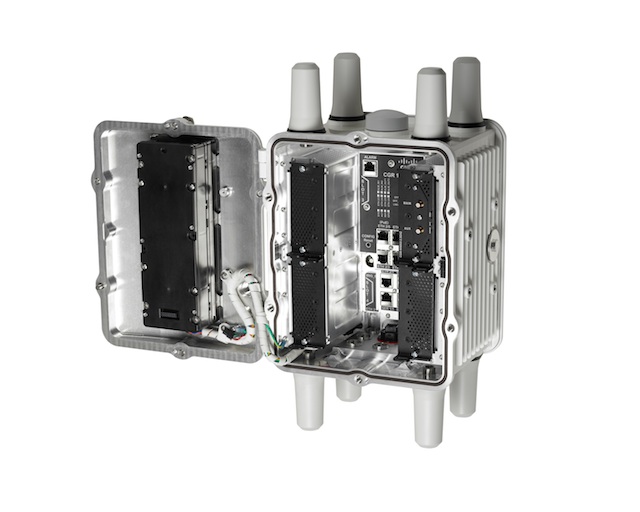
    Initially coined by Cisco Systems, fog computing also goes by the name ‘distributed computing’ or ‘edge computing’ – never accuse the IT industry of not having enough terms for the same thing.

    The idea behind distributed, edge or fog computing is that sometimes cloud computing (another term) is not always suitable for jobs where internet connections are unreliable, sending things to a cloud server wastes valuable milliseconds or lots of unnecessary data is being gathered.

    Cisco’s Wim Elfrink discusses fog computing in the interview he did with Decoding the New Economy earlier this year.

    For many internet of things applications, edge computing makes sense as it means devices aren’t reliant on being constantly connected and the local computer can filter noise out of the data stream being sent to head office.

    Another big advantage is in saving internet costs; rather than having say all the sensors on a car having their own expensive mobile connections they instead report back to a central computer which sends relevant information back to the dealer or manufacturer.

    The car is also a good example of needed immediate responses; if the airbags are deployed, the onboard computer system has to make a lot of critical decisions immediately. Waiting for a response from a server on the other side of the world could cost lives.

    For computing is not only a good example of how technology vendors make up their own catchy names for concepts, it also shows that there are limits to every solution. In this case, situations where cloud computing is not the answer.

    Similar posts:

    • No Related Posts
  • Heartbleed, kettles and design – ABC 702 Mornings

    Heartbleed, kettles and design – ABC 702 Mornings

    This morning from 10.20am on 702 Sydney I’m talking to Linda Mottram about the Heartbleed bug, connected kettles and dropping off the grid. It’s crowded twenty minutes and I’m not sure how much we’ll cover.

    Heartbleed is the main topic of the segment and it’s a big issue that not only exposes a weakness in secure computing but also points out problems with the Internet of Things and the open source model of developing software.

    One of the quirky stories of the last few weeks has been the iKettle, a connected kitchen appliance. Do we need one and what happens to your cup of tea if the internet drops out.

    3D printing is changing the world of manufacturing but designers are now looking at 4D printing, what is it and how might it change the world of design.

    If we get time we’ll also look at the possibilities of dropping off the all seeing grid with the story of a security researcher who tried to hide her pregnancy from the Internet.

    We’d love to hear your views so join the conversation with your on-air questions, ideas or comments; phone in on 1300 222 702 or post a question on ABC702 Sydney’s Facebook page.

    If you’re a social media users, you can also follow the show through twitter to @paulwallbank and @702Sydney.

    Similar posts:

    • No Related Posts