One thing that’s becoming clear in researching and writing on the Internet of Things is how three distinct strands of the concept exist due to the different needs of industry and the marketplace.
This is articulated best by Bill Ruh, the Vice President of GEs Global Software Center, who in an interview this week – which I’ll post later – suggested the IoT is best divided into the industrial internet, the enterprise internet and the consumer internet.
At the base level the consumer internet includes the bulk of startups and the devices that get most of the publicity; the Apple Watches, Nest thermostats and smart door locks.
Largely operating on a ‘best effort’ basis, consumer IoT vendors don’t guarantee service and security is often an afterthought. This is going to present a few challenges for both consumers and retailers as the inevitable problems arise.
Catering for the enterprise
The IT industry vendors are at the next level, the Enterprise internet, where companies like Microsoft, Cisco and VMWear are adapting their businesses to the cloud and Internet of Things.
At this level, which Cisco calls the Internet of Everything, the security and reliability challenges are understood and the practices of the IT and communications industry lend themselves to the widespread transmission of data from smart devices.
Similarly most of the telcos with their machine to machine (M2M) technologies fall into the enterprise internet camp.
Driving the industrial internet
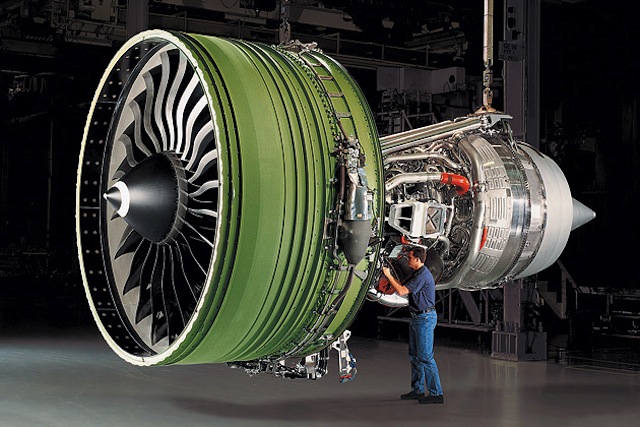
While the enterprise vendors are providing robust systems, the IT industry levels of service don’t quite meet the needs of mission – and often life – critical applications found in jet engines, precision manufacturing and most industrial processes.
Providing that level of security, precision, reliability and low latency is where the industrial internet is applied. This is where the companies such as GE and the other big engineering companies come in.
At the industrial internet level it’s far harder for startups to disrupt the existing players as it requires both specialist knowledge of their industry sectors and deep pockets to provide the necessary capital for product development.
However the existing industrial conglomerates don’t have all the skills in house and that’s an opportunity for smaller companies and startups to enter the industry.
The long product times are another aspect of the industrial internet, as Rue points out, GE are still supporting equipment that is over eighty years old. While that equipment will probably never be connected to the internet, the machines being designed today will be expected to have similar lifespans.
While the three different IoTs have their own characteristics, and in many instances overlap, all three are opportunities for savvy developers and entrepreneurs.
The difficulty some businesses, both as vendors and customers, will face with the IoT is applying the wrong technology set to their problems and industry.