A few weeks back I wrote about how the tech sector had become an issue in the Sydney Lord Mayoral election to be held on September 10.
Following that post, I approached the four major candidates to get their policies on how Sydney can do better in attracting tech startups to the city. The idea was to get an overview published in one the major newspapers but sadly my pitches were ignored.
However the issues raised are important to Sydney so over of the next few days I’ll publish each of the candidates’ responses to my questions along with any other conversations I’ve had with their teams.
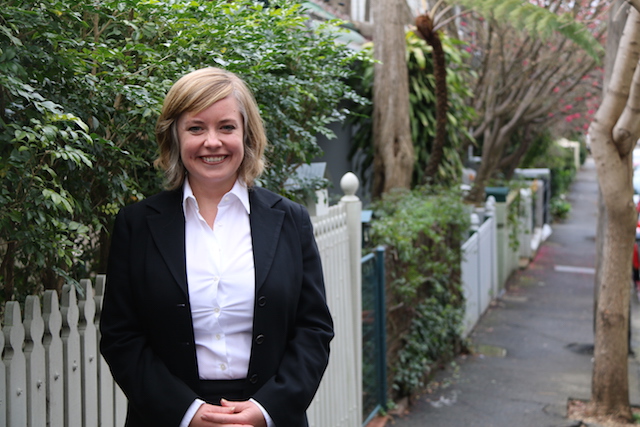
The first candidate we look at is Linda Scott, the Australian Labor Party candidate. Councillor Scott was elected to the City of Sydney Council in 2012 and is a researcher at The University of Sydney and lives in the inner city suburb of Newtown with her husband and two young children.
“As a Labor Councillor, I moved that the City conduct a feasibility study into the possibilities for implementation of smart technologies for City infrastructure and services. The current Lord Mayor and her team voted against it, defeating the measure.
I’ve also held a start up Roundtable for City of Sydney start ups with Labor Ministers Chris Bowen and Ed Husic to hear ideas for how every level of government can improve our support for the start up communities.”
What are your policies relating to encouraging tech startups?
“As a Labor candidate for Lord Mayor, my Labor team and I are committed to delivering smart technology to the City’s infrastructure and services for the future.
“From more efficient watering of our parks to parking to better planned traffic flows, the Internet of Things has the potential to revolutionise our City – and it’s an opportunity we can’t afford to miss.
“We are committed to working with our start ups and universities to support the continuation and creation of Tech Startup precincts, and will ensure planning policies foster these precincts.
“Labor will also deliver a dedicated, City-owned work space to form part of a Tech Startup precinct and open up City spaces for tech startup networking events and will host an annual festival to promote Sydney as an international tech startup hub.
“If elected, we will explore establishing dedicated innovation and commercialisation ‘landing pads’ with our sister cities, and neighbouring and regional councils here in New South Wales.
“Labor will also work to support the continuation and expansion of existing university-based hubs and accelerators in the City of Sydney along with hosting an annual festival to promote coding among young people. “
What do you see as Sydney’s strengths in this sector?
“Our people. Sydney is a great global city, and rightly is the first port of call for international trade and investment. Many of our nation’s and the world’s major firms have their Australian headquarters based in Sydney.
“We have the critical mass of creativity, capital and access to services to provide fertile ground for tech startups.”
What is Sydney not doing well at the moment?
“The Lord Mayor has rejected Labor’s moves to embrace smart technology. It’s time for change at the City of Sydney.
“We also need more affordable space for start ups, and Labor is committed to delivering this.
What are we doing well?
“Sydney has great hubs and accelerators that Labor will continue and expand where possible.”
How do you see the City’s relations with state and Federal government affecting current efforts?
“As a Labor Councillor, I already work closely with my state and federal colleagues and governments to ensure I secure what’s best for the City of Sydney. The state and federal governments have the financial strength and capabilities to assist the City in delivering its tech startup strategies.
“For example, a federal Labor Government committed to create a 500 million dollar Smart Investment Fund and a nine million National Coding in Schools program – both measures I will continue to secure for the future.”
Currently Victoria and Queensland are doing better at attracting businesses. Should we do anything to counter that and, if so, what?
“Sydney’s strength and appeal as a tech startup hub should be the size and diversity of creativity, capital and access services it can achieve.
“With all the measures listed above, and working with stakeholders, Labor is committed to doing better for the future of our start ups.”
How can Sydney compete globally against cities like Singapore, Shanghai and even Wellington?
“Our City needs to continuously increase its exposure to new challenges and new ideas from around the world as well as at home.
“Exploring opportunities for establishing innovation and commercialisation landing pads with sister cities around the world as well as neighbouring and regional councils will be an important first step in that effort.
“Most importantly, increasing the availability of affordable work space in the City of Sydney will also be critical, and attracting angel investors to Labor’s annual showcase event in the City.
How does your tech industry policy fit in with other key Sydney employment sectors like the creative industries, financial services and education?
“Labor is committed to the creation of a fun, fair, affordable and sustainable City for the future for all businesses and residents. “
It’s hard to see the Labor Party getting a great deal of traction in the council elections, Scott herself only received ten percent of the mayoral vote when she ran for the 2012 election and was the only ALP councillor elected.
The benefit though of the Labor ticket is that Scott’s positions fit nicely with her party’s state and Federal. However, given the party will remain in opposition at both levels for at least two and a half years – although nothing is certain in the farce that Australian Federal Politics has become, that co-ordination means little for the City of Sydney.