
Tag: sales

  • Do you have customers or just users?

    Do you have customers or just users?

    “I was on your mailing list for general info, for spams and scams etc which were helpful. Suddenly it changed and now the business format is not useful to me” said an lady when unsubscribing from one of my newsletter mailing lists.

    The lady concerned had been on one of the mailing lists for over ten years and, once upon a time, had been a paying customer for my old business, PC Rescue. Although we’d only earned a $100 off her and that was seven years ago.

    While it’s sad to lose a subscriber – you don’t run a service business for twelve years without caring about those who use your services – the question is was the lady really a customer?

    This is an important distinction where many of us are giving away much of our knowledge for free; are our users really customers?

    For the social media and web2.0 sites, this is easy; users are the raw material for their aggregated and segmented data feeds and audience, the customers are the advertisers. This is just a modern twist on the broadcast model that sustained the radio and TV industries for most of the 20th Century.

    Many of those social media platforms aren’t making much money from that data and there’s a good argument those who are have been wildly overvalued by investors.

    The value of user data, whether it’s aggregated or identifiable appears to be nowhere as high as most of us think, unless you intend to rob your users’ bank accounts.

    Overvaluation of your customer, or user, database is a common problem for smaller businesses too. If you’re the local plumber, computer repair guy or coffee shop then the value of any mailing list is probably way overstated – the only metric that ultimately matters to the business is how much money you’re making from the customer.

    If you care about the people that you deal with, this may be a hard reality to face but those who visit your shop, subscribe to your newsletter or download your free e-book aren’t your customers, only those who are prepared to pay are.

    This is something we have to understand in this era of abundant free information and online services. The challenge for most of us is how many users we can convert from being window shoppers and freebie seekers into customers.
    Similar posts:

  • Commander takeover

    Commander takeover

    The saga of Commander’s slow demise raises some questions about the ability of Australia’s technology companies to meet the needs of the small to medium sized business market.

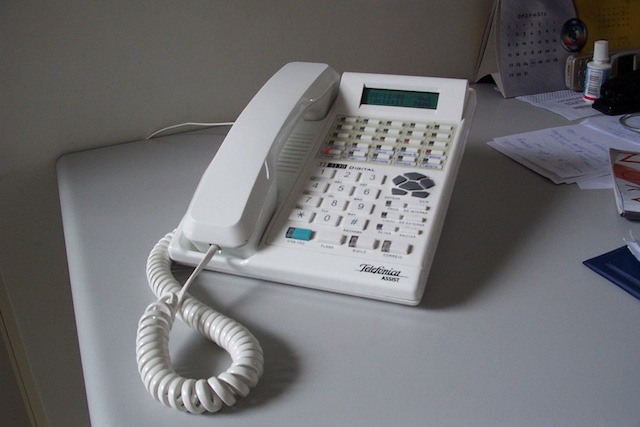
    Commander, or Plestel as they were previously known as, were the monopoly provider of small business telephone systems prior to deregulation. At the time of being spun off from Telstra they had a marvellous position in the market.

    For most small businesses, the term “Commander System” was synonymous with small business telephones and PABX systems and they had a ready made customer base of over 100,000 small businesses.

    You’d think with hundreds of thousands of customers, an incumbent position and such a level of name recognition, it would be impossible to mess up a business like this.

    Somehow, through a combination of overcharging and poor service, Commander’s management blew it. In the last nine years their customers have fled to other providers.

    This year the share price has fallen from over $2.00 to around 40 cents. The 42c closing share price last Friday was half their issue price when they were floated in December 2000.

    The final humiliation was their 18 day suspension from the stock exchange due to the auditors not being prepared to sign off the annual report.

    So it’s funny we now see Australian IT reporting AAPT and Optus are looking at buying the company. The rationale being that Optus and AAPT have failed to get into the SMB market.

    Commander failed because management didn’t understand the small business market and the economics of selling to the sector. Optus and AAPT have continually struggled with exactly the same issues.

    So it’s hard to see how Optus or AAPT buying Commander could add anything to either company’s expertise (0r lack of it) in this field.

    The other prospective buyers of Commander are various private equity groups. AVCAL, the Australian Private Equity & Venture Capital Association Limited, cite Commander as one of their success stories.

    One hopes the next owner of Commander’s going to give AVCAL a real success story to crow about.

    Similar posts: