Tag: samsung

  • Google moves deeper into the smarthome

    Google moves deeper into the smarthome

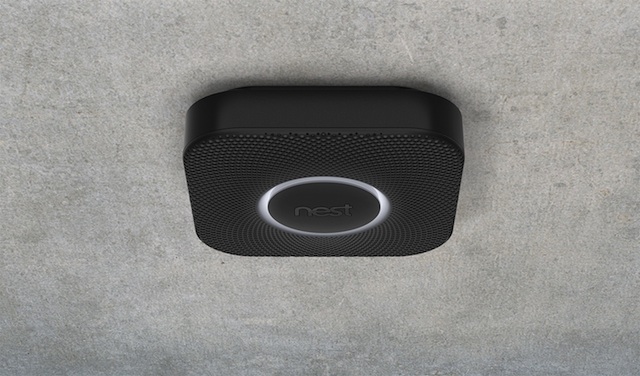
    Since Google bought smart smoke detector company Nest earlier this year it’s become apparent that the search engine giant sees the smarthome as one of its big marketplaces in the near future.

    Nest’s acquisition of smarthome automation company Revolv yesterday illustrates this and shows that Nest is Google’s smarthome division.

    As the smarthome becomes more common, the value of controlling the systems that run the connected home’s devices becomes greater. So the positions being taken by Apple, Google and Samsung are going to be important as the marketplace develops.

    The latter relationship — Google and Samsung — is particularly fascinating as Samsung’s smartphones and tablets are locked into the Google Android system which makes it harder for the Korean industrial giant to strike off in an independent path.

    All of this of course is based upon homeowners being happy with having their smarthomes locked into one vendor’s platform. We may yet see the market rebel against the internet giant’s ambitions to carve up the connected world.

    Similar posts:

    • No Related Posts
  • Attacking Apple iPhone 6

    Attacking Apple iPhone 6

    One of the saddest things in life is the company that bleats ‘but we thought of it first’ when overtaken by a smarter or more credible competitor.

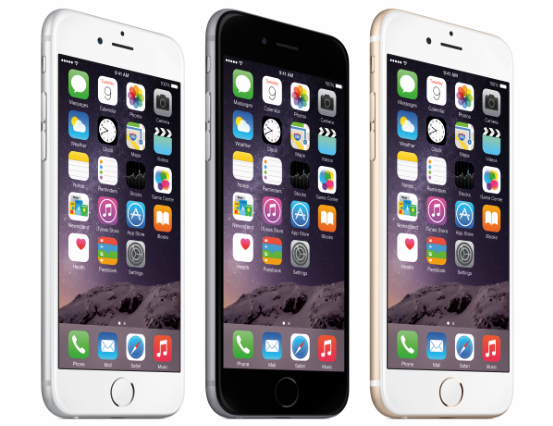
    Since the release of the iPhone 6, the knives are out for Apple with Samsung, HTC and even Sony poking fun at the new product pointing out the features already in their products.

    The problem for Apple’s competitors is the market isn’t listening to the attack ads. In China alone a million iPhones were sold in first hour they went on sale.

    For companies competing with Apple they have to find a compelling product, not be sniping at the market leader. For Samsung in particular with its falling revenues it needs to be generating some excitement in the market, not depressing its customers.

    Here’s the Samsung ad; while it’s pointing in the wrong direction it’s good in that it holds the critics to account but it makes not a spit of different to the marketplace.

    Similar posts:

    • No Related Posts
  • Disrupting the smartphone market

    Disrupting the smartphone market

    It’s been a long time since we’ve had a three or four way war in the technology industry, with most sectors settling down into a two way fight between alternatives.

    Mozilla’s promised $25 smartphone project threatens to open the mobile industry into a three way battle just as it appeared the market had comfortably settled down into an Android and iOS duopoly.

    Now we see a three way race and possibly four if Samsung can get traction with its Tizen operating system that it’s bundling into the latest version of the Gear smartwatch.

    One positive aspect of the four way battle is that three of the participants – Firefox, Tizen and Android are relatively open so compatibility between them isn’t impossible.

    For Google and Apple though, this four way tussle presents a problem to their business plans.

    Apple’s iOS ambitions of putting the software in smarthomes, connected cars and, possibly most lucratively of all, into retailing with iBeacon are threatened by a fragmented market and a rapidly eroding market share.

    For Google, both Firefox and Tizen threaten the dominant position of their Android operating system that forms a plank in the company’s ambition to control the planet’s data and become an ‘identity service’.

    Worse still for Google’s information ambitions, Firefox is working with Deutsche Telekom on a security initiative that will lock away users’ data.

    So the stakes are high in the smartphone operating systems wars.

    It’s early days to forecast the demise of either Android or Apple iOS, which is unlikely in the short term, but if Firefox’s operating system does take hold it will mean the smartphone industry is about to become a lot more complex.

    Similar posts:

    • No Related Posts
  • Samsung’s place in the market

    Samsung’s place in the market

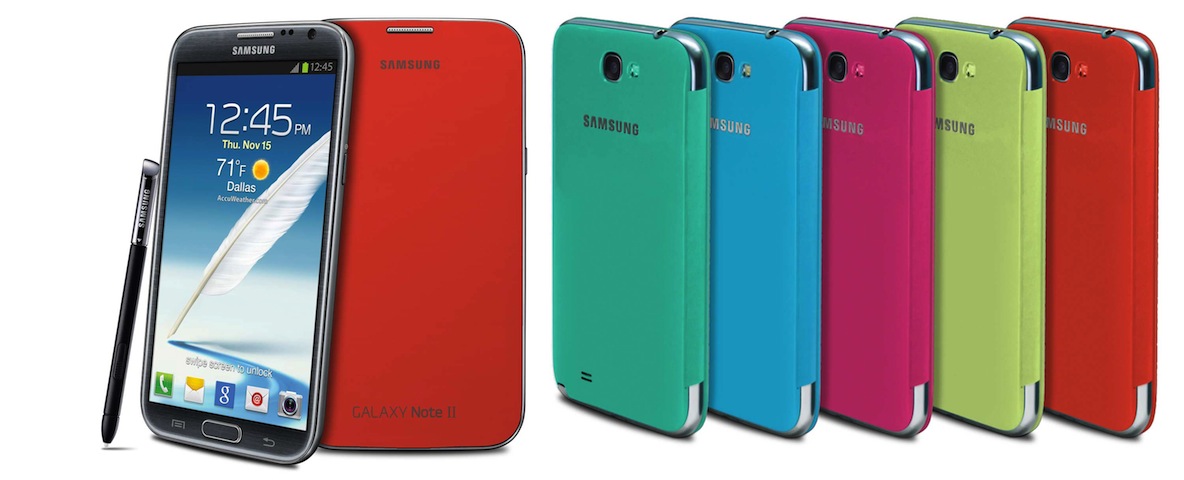
    Samsung’s announcement of a 7 billion dollar quarterly profit yesterday tops off a big 2012 for the Korean electronic manufacturer in which they became the world’s biggest mobile phone manufacturer after overtaking Nokia’s sales.

    Android phones have been the great success for Samsung as other providers, including Google, have been comparatively slow to offer devices which give telcos the opportunity to claw back some margins they’ve been giving away to Apple over the last few year.

    Despite these successes Samsung have a number of challenges ahead in 2013.

    The biggest challenge is channel conflict with Google and Motorola working on launching an X-Phone which they hope will compete against both the iPhone and Samsung products

    Channel conflict was always going to be a problem for handset manufacturers using the Android operating system when Google bought Motorola Mobility and now we’re seeing the effects of this.

    The Koreans aren’t taking Google’s threat lying down having joined with Japanese manufacturers in a joint venture to develop a Linux based operating system for smartphones and Samsung expects to release Tizen equipped phones later in 2013.

    Just on its own, the conflict with Google would be a problem for Samsung but the ongoing fights with Apple over tablet and smartphone patents continues to be a management distraction as well.

    Apple’s relationship with the Korean conglomerate is a classic case of co-dependency as Samsung supply the bulk of the processors used in the iPad and iPhone. While Apple may want to kill the Samsung Galaxy tablet range, they have to be careful about going too far with a key supplier.

    On the Asymco blog wonders if Apple’s announcement to bring some manufacturing back to the US may be part of a strategy to deal with the company’s dependence upon Samsung.

    With threats from ‘frenemies’ like Apple and Google one of best defenses Samsung has is the companies varied range of products along with its willingness to strike out on its own into customers’ markets.

    At the Computer Electronics Show in Las Vegas, Samsung showed off its range of OLED TVs, laptops and other equipment alongside smartphones. That breadth of product frees the company from being locked into one or two markets.

    Of course the best example of such an electronics conglomerate in the past was Japan’s Sony which is now truly lost and wandering in the business wilderness.

    Whether Samsung can avoid Sony’s mistakes will be worth watching over the next few years, for Apple and Google it may determine who is the biggest competitor in the 2020s.

    Similar posts:

  • Freebies and rorts

    Freebies and rorts

    Something went badly wrong in Samsung’s PR department last month as their strategy of engaging bloggers turned into a series of embarrassing arguments over control.

    First, a pair of Indian bloggers found themselves stranded at Berlin’s IFA 2012 fair after arguing with Samsung then French blogger France Quiqueré told of her similar encounter with Samsung’s control freakery at the London Olympics.

    Both encounters raise the issue of what is expected when a journalist or blogger is given a free trip to a conference or event.

    Freebies are always a difficult issue, the blogger or journalist is always going to be in a conflicted position and the organisation paying the bills has an interest in what they report.

    In an ideal world, we’d all follow Sarah Lacy’s example where no-one accepts freebies. The problem with that is that most media companies, let alone bloggers, don’t have the funds to attend high priced conferences in their own cities and going to one half way across the world is out of the question if someone else doesn’t pay.

    Sarah’s journalist model works fine when you have a well funded operation like Pando Daily’s VC investors or someone prepared to work for nothing – the digital sharecropper model.

    With the collapse of newspaper revenues, most media companies long ago gave up their ethical objections to accepting paid trips to conferences – in sections like travel, tech and motoring the freebie has been well established for decades.

    Basically, if event organisers didn’t pay the bills for journalists and bloggers their conferences or product launches won’t get much media attention because most of the reporters simply couldn’t afford to attend.

    This is simple economics and where disclosure comes in. If a blogger or reporter has been given free travel or accommodation so they could attend an event then readers should be told.

    What really matters in all of this are the audience and the reporter’s ethical compass. If the readers or viewers can trust and value what reporters produce and in turn the reporters are comfortable within their own moral boundaries then everyone is a winner.

    The danger is getting the balance wrong. If readers lose trust, PR people start taking liberties (as Samsung tried to do) or bloggers and journalists are uncomfortable with what they do then it’s time to stop doing it.

    One quick way to destroy credibility is for PR managers to expect those blogger to act like performing monkeys in return for ‘winning’ a competition or believing that ferrying a journalist to an event will guarantee fawning coverage.

    Any decent journalist or blogger who respects themselves and their audiences won’t do that, if only because it will damage their brand or career prospects. This is the lesson Samsung have learned.

    For the record, I do accept freebies and disclose them at the bottom of any related blog posts. If an investor would like to bankroll a down under Pando Daily, you know where to contact me.

    Similar posts: