The woes of BlackBerry continue with the company announcing it will be laying off an undisclosed number of staff in its device business.
It appears the resurgence isn’t happening.
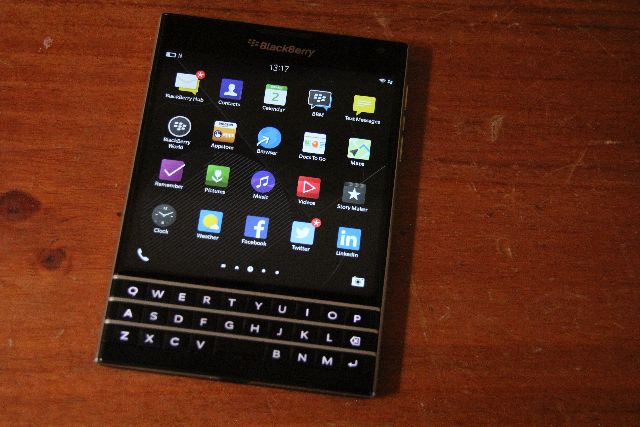
The woes of BlackBerry continue with the company announcing it will be laying off an undisclosed number of staff in its device business.
It appears the resurgence isn’t happening.
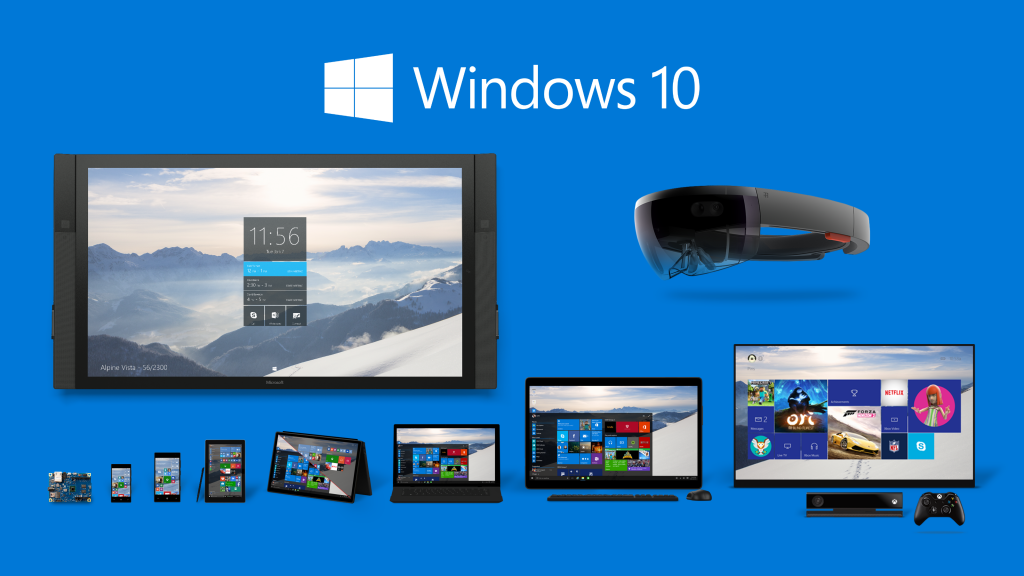
A billion devices running Windows 10 was the promise made by Microsoft at the company’s Build Conference in San Francisco yesterday.
The ambition is based upon delivering the system on devices ranging from desktop computers down to the embedded systems on Internet of Things devices.
As part of the drive to get onto the IoT, Microsoft also announced Windows 10 initiatives for the makers’ community with various programs for Arduino, Raspberry Pi and Intel’s Minnowboard.
At the same time the company announced how some software will soon be able to run on iPhones and Android devices with an extended Software Developers Kit.
While this makes Windows more attractive for developers who no longer have to develop different versions for the Microsoft product, it’s also an admission the company’s phone strategy has failed.
For Microsoft yesterday’s Build Conference was the opportunity for the company to show their vision of the market’s future that involves computers, mobile devices, the cloud and the Internet of Things.
Whether Microsoft is part of that future is the main concern of CEO Satya Nadella.
Once again Apple keeps surprising the market with Apple second quarter results beating the analysts’ estimates roundly and putting the company on track to becoming the first US corporation to have a trillion dollar market valuation.
Coupled to nearly fourteen billion dollars in profit for the last quarter is that the company is looking to return $200 billion of cash back to shareholders.
A particular high point in Apple’s results are its China sales with the company showing seventy percent year on year growth, showing it’s possible for western companies to sell into the PRC.
Those results are from iPhone sales and, given the Chinese smartphone market is ruthlessly competitive, it puts the managers of all US and European companies on notice that there are no longer any excuses about not performing in the Middle Kingdom.
Another key takeaway from Apple’s results is the tablet market is limited with iPad sales down 23% compared to last year.
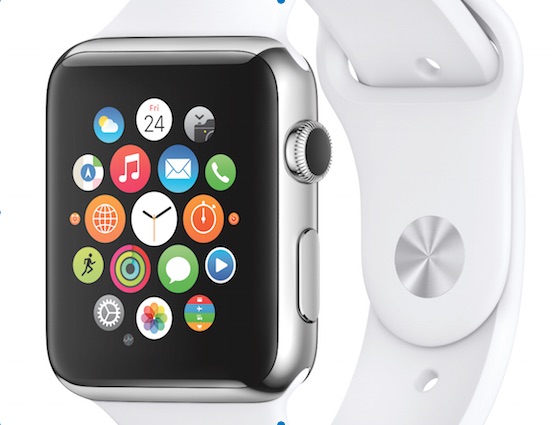
The question now is how big are watch sales going to be? It may well turn out that the Apple Watch is similar to the iPad – a market defining product but one that isn’t the company’s mainstay.
Regardless of how well the Apple Watch, the iPad or the iPhone’s Chinese sales perform next quarter, it’s safe to say Apple will probably break more records over the next year.
Over the last few weeks much has been written about Google’s mobile search update that went live on Wednesday, some said it would be the death of small business on the internet while others claimed it would be the end of corporates online.
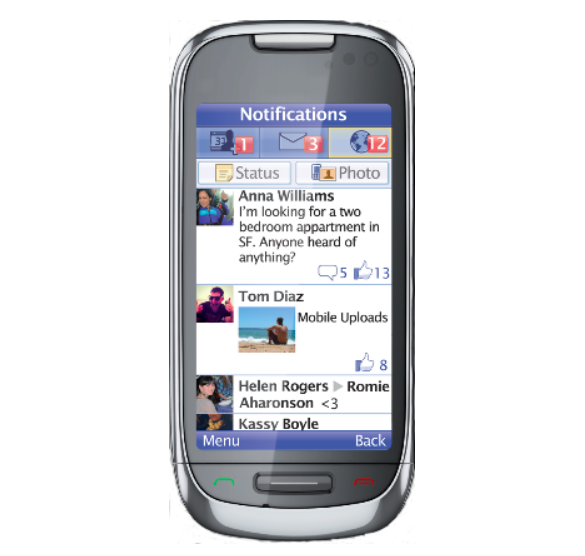
While all the focus has been on Google’s search changes Facebook quietly made a change that will probably be more vexing for many businesses.
Both Facebook and Google are struggling with making their services more useful for users, with the Google changes the intention is to make search on mobile devices more useful in giving preference to websites that work on smaller screens.
In a post on Google’s webmaster blog, Developer Programs Tech Lead Maile Ohye answered the basic questions about the search engine changes which dispelled much of the hysteria and myths about the update. The main point of Ohye’s post is that Google want to show users useful information.
Facebook have a similar problem, they have to balance the often competing interests of their users and advertisers with the main aim being keeping visitors on their site for as long as possible.
The objective of keeping users engaged is the reason for a series of tweaks Facebook announced this week that change the newsfeed visitors see.
The goal of News Feed is to show you the content that matters to you. This means we need to give you the right mix of updates from friends and public figures, publishers, businesses and community organizations you are connected to. This balance is different for everyone depending on what people are most interested in learning about every day. As more people and pages are sharing more content, we need to keep improving News Feed to get this balance right.
Facebook are putting their users priorities first in making sure the news feed is interesting and relevant, which the company believes will entice visitors to spend longer on the site and make advertising more attractive.
If it works then it’s a win for Facebook, their users and those who pay to advertise on the site. Again though, the losers are the companies and brands not advertising who thought they could get views by the quality of their content.
Unless the content is very good, those companies not paying Facebook are in for more disappointment as their reach collapses even further than its current pathetic rates.
Google’s change too is something that puts users first; rather than dumping mobile web surfers onto an unreadable page, they are making sure people get to sites that are useful.
In many ways Google is only encouraging what has been best practice for at least five years, that every site should work equally well on mobile devices as they do on desktop computers.
What Facebook and Google are showing us is the value of putting users’ needs first. If your guests are happy then your business model has a much better chance of succeeding, regardless of who the eventual customer is.
Making business more user friendly should be a priority for all companies in a competitive world.
As the annual Mobile World Congress begins to wind down in Barcelona, Kantar Worldpanel decides to stir things up with its quarterly report on the market share of mobile phones.
The news is mixed; Apple continues its rampage in the Chinese market with a quarter of phones sold in the PRC being iPhones while Android slips in Europe but picks up market share in the US.
At the top end of the market it’s clear Apple is beating Samsung and the other manufacturers are deciding to avoid entering the battle of the market at all, instead focusing on lower and midrange devices.