Tag: society

  • Are industrial hubs a thing of the past?

    Are industrial hubs a thing of the past?

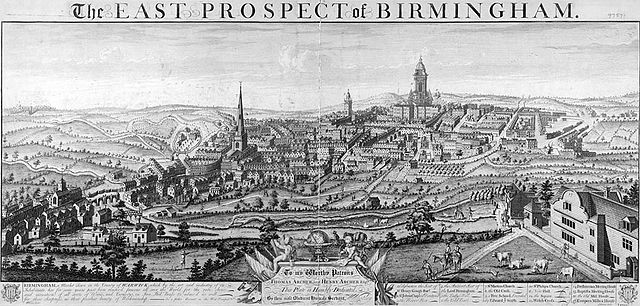
    Since the beginning of civilisation, industry hubs have formed the basis of cities and regions, but is the internet removing the need for like minded businesses to group together?

    Tomorrow I’m at a breakfast featuring Porter Erisman whose film Crocodile in the Yangtze tells of the rise of China’s Alibaba and the adventures of its founder, Jack Ma.

    Jack Ma’s Alibaba is the eBay of manufacturing, connecting factories and buyers around the world. A visitor to the site can buy anything from childrens’ clothing to tractor gaskets, all cheaper by the container load.

    The rise of Alibaba tracks the development of sites like oDesk which bring skilled workers together. It’s becoming easier for businesses of all sizes to tap global workforces and supply chains.

    In the past, industrial hubs and cities have developed due to the proximity of workers, suppliers and materials. Today, it may well that with all the resources being a mouse click and a credit card away from an entrepreneur it’s no longer necessary for these hubs to develop.

    Whether industrial hubs do develop in the future will depends on individual sector’s needs for natural resources, face to face contact and short supply chains, but it’s worthwhile thinking whether location remains important for modern economic development.


    Similar posts:

  • Ships flags and twitter – how communications evolve with technology

    Ships flags and twitter – how communications evolve with technology

    An innocuous, short 1917 message between Admiral Jackie Fisher and Windows Churchill, then British Minister of Munitions, tells us much about how language and communications evolve around the technology of the day.

    The focus on the page linked is the World War I use of OMG – Oh My God – which became common with SMS text messaging, and it illustrates how our language evolves around the limitations of the era’s technologies.

    Fisher’s message short, sharp and succinct message is good example of this – a legacy of spending a career communicating between ships by flag. By necessity, messages had to be brief, accurate and work within the limitations of the medium.

    At the time Fisher wrote that note, ships’ officers were adapting from flags to the radio telegraph where morse code created a whole new argot to take advantage of the medium and its limitations.

    Which brings us to today, where similar economies of communications have evolved around the SMS text message, Twitter post or social media update where OMG, LOL, BRB are part of the common dialect.

    Jackie Fisher’s message to Winston Churchill is a good reminder of how we’re all creatures of our time.

    Image of nautical flags courtesy of c_makow on sxc.hu

    Similar posts:

  • What happens when the power goes out?

    What happens when the power goes out?

    Cisco gave a media and analyst briefing earlier today on the Internet of everything looking at how various technologies can help with tasks ranging from reducing traffic accidents to improving productivity which I’ll write up later.

    One of the analyst’s questions though is worth pondering – “what happens when the power goes out?”

    For most of the industrial processes discussed by Cisco and the panellists, this would be a hassle but most of the systems would, or should, be designed to fall back to a default position should the power fail.

    On a much bigger scale though this is something we don’t really think through.

    In modern Western societyour affluent lifestyle is based upon complex supply chains that get the food to our supermarkets, fuel to our petrol pumps, water to our taps and electricity to our homes.

    Those chains are far more fragile than we think and few of us give any thought to how we’d survive if the power was off for more than a few hours or if the shop didn’t have any milk and bread for days.

    It’s one of the fascinating thing with the end of the world movies. When the meteorite hits or aliens take over then our power and food supplies probably have only 72 hours before they dry up.

    After that, you’ve probably got more to worry about your neighbours trying to steal your hoard than being ripped to pieces by zombies.

    Most of us probably wouldn’t cope without the safe, comfortable certainties which we’ve become used to.

    One thing is for sure — if the power does fail, then most of us will have more to worry about than whether our smartphones are working or whether our geolocating, internet connected fridge is tweeting our wine consumption.

    Similar posts:

  • Facebook as the family newsletter

    Facebook as the family newsletter

    This week’s Royal birth was a curious mix of the old and modern – a cringing fawning by the media over the family and baby which wouldn’t have been out of place of place in a black and white 1950s newsreel  coupled with a modern frenzy on social media.

    In the social media world, the Washington Post reports there were almost one million mentions of the royal birth on Facebook in the hour following the news. It’s an interesting reflection of how communications have evolved.

    Where once we shared news of life events by letter, then telegraph and later the phone; we now broadcast our own news over social media services, particularly Facebook.

    Increasingly for families, Facebook has been the main way people keep in touch with their more distant friends and relatives. Your cousin in Brazil, aunty in Germany or former workmate in Thailand can all keep up with the news in your life through social networks.

    The Royal family itself is an example of this, having set up their own Facebook page for the new arrival and it shows of how ‘weak ties’ are strengthened by the social media connections.

    Another aspect of social media is the ability to filter out noise. If you’re like me, the royal baby is about as interesting as origami classes but  I was spared most of the hype by not looking at broadcast media and sticking to my online services where it was just another story.

    While being able to filter out what you consider ‘noise’ risks creating écho chambers’ it also means the online channels are becoming more useful for both relevant news and family events.

    That’s an important change in personal communications we need to consider. We also have to remember those baby photos we post to Facebook, Twitter or Pinterest are now licensed to those services as well.

    One of the great challenges for this decade is balancing the privacy and security aspects of these new communications channels with the usefulness of the services.

    In the meantime though they are a great substitute for a family newsletter.

    Image courtesy of Hortongrou through sxc.hu

    Similar posts:

  • We’re all Luddites now – Wage deflation and falling living standards

    We’re all Luddites now – Wage deflation and falling living standards

    A post on today’s Macrobusiness describes how Australia’s General Motors workers being asked to take a pay cut is the harbinger for a general fall in the nation’s wages.

    This is coupled with a post by Paul Krugman in the New York Times sympathising with the Luddites as technology takes away many middle class jobs that were not so long ago thought to be the safe knowledge jobs of the future.

    Krugman points out that in the United States income inequality started accelerating in the year 2000, the stagnation of most Americans’ incomes started a decade or two before that.

    For the last few decades, expanding credit allowed the consumerist society to continue growing, but the crisis of 2008 marked the end of that that economic model. Although governments around the world have tried to keep it alive by pumping money into their economy.

    Now we have to face the reality that the Western world’s standard of living is falling for the first time in a century.

    For some this is going to be really tough – although one suspects those who will really complain are those least affected.

    What is clear is that many of our business and political leaders aren’t prepared to face this change. Dealing with that is going to be the biggest challenge of this decade.

    Similar posts: