Tag: startups

  • Another wannabe tech unicorn begins to look sick

    Another wannabe tech unicorn begins to look sick

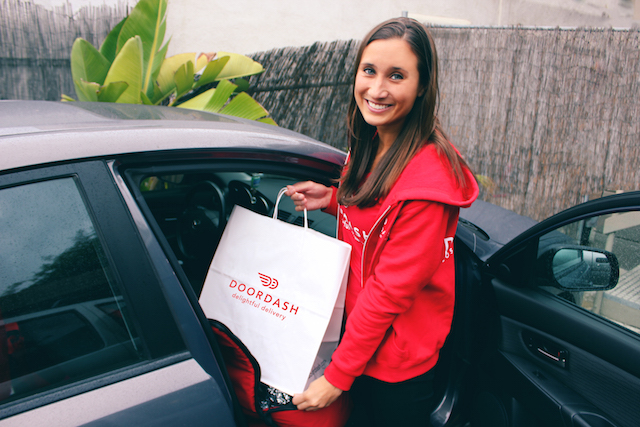
    Doordash, one of the myriad home delivery services the current tech bubble has spawned, is abandoning its hopes of becoming a unicorn Bloomberg reports.

    The company was seeking a valuation of a billion dollars from its latest fund raising round but in the face of disinterest from prospective investors the company has started lowering expectations.

    Even at $600 million dollars that valuation seems rich and for existing shareholders offering more equity at the same valuation this is bad news as their stake is being diluted out.

    For Doordash, the lack of investor interest is only one of their problems. Last year the company was sued by iconic Californian burger chain In ‘n Out for alleged trademark infringement and deceptive practices.

    As market leader Instacart raises prices and looks to cut costs it seems the home delivery mania is coming to an end. Doordash could well be one of the wannabe unicorns that never quite made it.

    Similar posts:

    • No Related Posts
  • Saving Twitter

    Saving Twitter

    Twitter is in trouble, its share price has fallen 70% in the past two years and the service is not gaining new users. To halt the stagnation, CEO Jack Dorsey is reportedly considering ditching the 140 character limit.

    Commentator Josh Bernoff suggests playing with character limits will do little to address Twitter’s lack of momentum which is almost certainly correct given the underlying problems at the service.

    The one most desired feature by Twitter users is the ability to edit their posts, although the New York Times points out this may not be a good thing, another popular change would be for the service to crack down on abusive behaviour.

    Stagnant management

    It seems however that Twitter’s management can’t make those changes and this is understandable given the company’s executives not understanding how the service is used and their desperate obsession to justifying its stock valuation which, despite falling 70% over the past two years, is still $14 billion.

    Justifying that stock valuation with no clear path to monetising the service is a paralysing problem which means other useful changes aren’t being made while the company still embarrassingly cosies up to sports, pop and movie stars in the hope their fame will bring advertiser dollars to the platform.

    For Twitter the solution is to accept they aren’t a fourteen billion dollar company which would take the pressure off the executive team to find unsustainable ways to justify that valuation and instead focus management’s efforts on improving the user experience.

    Making Twitter useful

    To make the service more useful, management has to understand how Twitter is used which means finding experienced and capable leaders who also use the service.

    Adding features that allow users to make some changes to tweets and lists would be a start and clamping down on the bullies, trolls and frauds to make it more friendly to new entrants would be a start. Creating an easy way for new users to find useful information would also help engagement and retention.

    The most important task though is finding executives who actually use Twitter and have an understanding of social media instead of hiring from the tech, advertising and broadcasting industries without any regard of whether those individuals have ever used the service.

    Twitter is a valuable service but it’s dying as management play games. If it is to survive, accepting it isn’t as big as it wants to be and finding leaders who understand why its users find it so useful is essential.

    Similar posts:
    • No Related Posts
  • Value versus valuation

    Value versus valuation

    “There are people who build media companies for valuation, then there are others who build media brands for value,” writes Skift c0-founder Rafat Ali in his account of how the business stopped worrying about raising venture capital and focused on bootstrapping the travel industry website.

    Ali’s story of how Skift’s founders gave up on finding investors, refocused their business and found revenues to bootstrap the organisation is worth a read for anybody starting a venture, not just a tech or media startup.

    Notable is Ali’s distancing Skift from the startup label, claiming it’s “a meaningless word that comes with too much baggage”.

    The story of Skift is an interesting perspective on growing a business outside the current focus on external investors, instead focusing on the value it adds for customers, users and readers. Just as Skift went back to basics, many of us should also focus on how we and our businesses add value.

    Similar posts:

  • Startups feel the squeeze

    Startups feel the squeeze

    A key factor in the unicorn startup valuations is the prospect of the company building a near monopoly. Over the years this is what’s driven the valuation of companies like Microsoft, Google and Amazon.

    This is what underpins the valuations of companies like Uber and Lyft and their potential monopoly positions have been entrenched with ride sharing service Sidecar deciding to wind up.

    In the food delivery space, things are more competitive and with no clear leader which makes things even more difficult for the companies operating in this space. High profile service Instacart yesterday announced its laying off recruiting staff and increasing delivery charges as it deals with a tighter market.

    Instacart and Sidecar’s woes are an indicator of what’s to come for more of the tech startups which haven’t achieved some sort of profitability.


    Similar posts:

    • No Related Posts
  • The victims of unicorns

    The victims of unicorns

    It’s not all good news when a tech company becomes a unicorn reports the New York Times as it often means employees and other ordinary stockholders may be diluted out by later investors holding preferential shares to secure their big bets.

    The danger with these high private valuations is the later investors whose big cheques created the unicorn mythology insist upon preferential shares to protect their stake. Should the company go public or be sold for less than the valuation then it’s the common stock holders who take the greatest hit.

    Good Technology’s sale to BlackBerry is the example cited in the New York Times’ story. The company’s last round of funding valued the business at $1.1 billion but it’s eventual exit was less than half of that.

    As a consequence, the common stockholders lost 90% of their wealth in the company while executives and late stage investors came out with only a slight dip in the preferred shares valuation. The CEO walked away with nearly six million dollars.

    With the last two years investment mania and the clear topping of the market, situations like Good’s are now becoming common. The New York Times points this out in the story.

    The odds that the unicorns will all reap riches if they are sold or go public are slim. Over the past five years, at least 22 companies backed by venture capital sold for the same amount as or less than what they had raised from investors

    For employees in these highly valued startups, those valuations and the risk of losing most of your own equity is a serious concern. Analyst firm CB Insights flagged earlier this week an exodus of talent from overvalued firms with dubious prospects is a great opportunity for the top tier companies.

    While the headline numbers for unicorns are impressive, the reality for employees, founders and early stage investors is an overvaluation is a dangerous place to be.

    Similar posts: