Tag: Sydney

  • When disruption meets regulation

    When disruption meets regulation

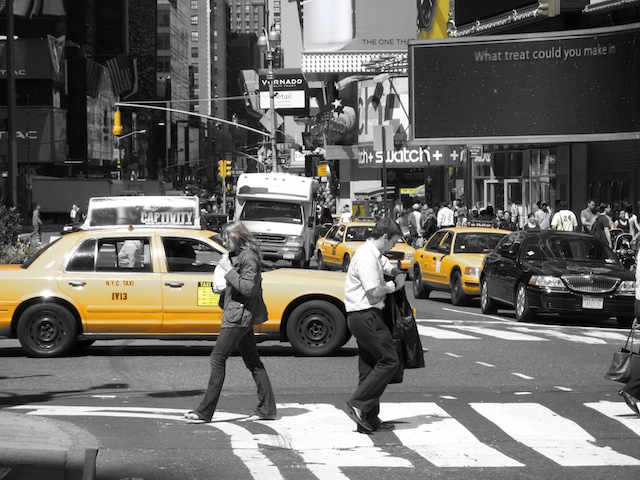
    Taxi booking applications have been one of the big areas for smartphone developers. Around the world apps for hailing cabs have popped up following the lead of San Francisco’s Uber.

    One of the opportunities for copycat developers is that in most places taxis are regulated by the local city or state government, so an app for New York will struggle in Los Angeles, Paris or Tokyo and savvy entrepreneurs can create their own Uber knock off suited to their own location.

    The problem is in most places taxis are regulated as a cartel, not a public service. Sometimes that cartel is to protect drivers, sometimes the companies that run the networks and often taxi license holders.

    Sydney, Australia, is a good example of the latter two. The New South Wales state government’s rules are designed to protect the interests of the greedy ‘investors’ who’ve bought taxi license plates and the networks who run the booking systems and management of the cabs.

    The result is Sydney cab drivers are treated like serf in what can only described as a feudal system while customers have to put up with lost bookings, poorly kept vehicles and high taxi fares.

    It’s a lousy deal all round and is a great example of where disruption can change things for the better.

    The problem is the incumbents will fight innovation that threatens their cosy and profitable arrangements and the regulators are part of that comfortable alliance.

    In New York it looks like the Taxi and Limousine Commissioner does have some of the consumer interests at heart, pointing out that the metered fare is what passengers have to be charged by law. In most cities though, particularly Sydney, protecting the passenger is just another smokescreen for protecting vested interests.

    Something that many innovators don’t realise is the power of those vested interests.

    In the case of the taxi app developers many of them are about to get a nasty taste of just how vicious incumbent and their tame regulators can be when confronted with a threat to their cosy business arrangements.
    Similar posts:

  • Darling Harbour and the peak of consumerism

    Darling Harbour and the peak of consumerism

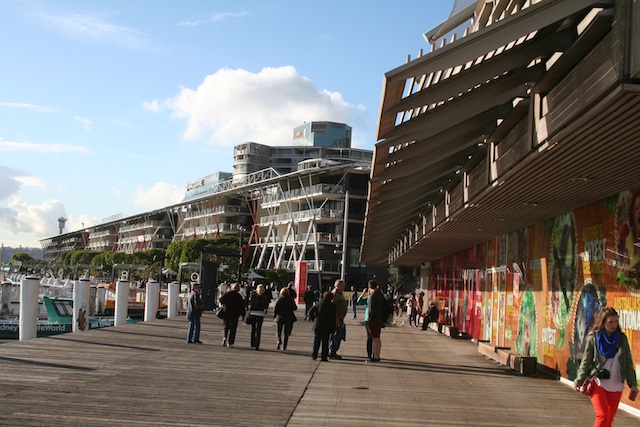
    Sydney’s Darling Harbour was one the centre of the nation’s mercantile economy, from across the country millions of tons of grain, wheat, sugar and other commodities were loaded onto ships and exported to the empire.

    Eventually Darling Harbour fell into disuse, the docks became containerised, bulk goods moved to specifically designed loaders and the new breed of cargo ships were often too big to fit under the Sydney Harbour Bridge.

    What really sealed Darling Harbour’s fate was Australia moved from being a largely export based agricultural export economy to a service based consumerist economy.

    Today Darling Harbour illustrates that change, the docks have become expensive restaurants, hotels and shopping centres. The notorious “hungry mile” of docks is being converted into “Barangaroo” complex of office blocks, apartments and possibly even a casino for “high roller” Chinese gamblers.

    Even the cruise liners are going. The 1980s vision of Darling Harbour as a temple to consumerism and property speculation is complete. In this way, Darling Harbour has become a picture of the Australian economy.

    Just as Australia’s mercantile era peaked just before The Great Depression of the 1930s – the depression of the 1890s was actually far harder on Australia, particularly Melbourne and Victoria – the consumerist era finished with the Global Financial Crisis of 2008.

    It will be interesting to see how Darling Harbour evolves over the next hundred years.

    For a glimpse of the final days of the old Darling Harbour, Island Shunters an ABC documentary from 1977 showed the working lives of railway workers in the goods yards on the Western side of the docks. Today those railyards are the Australian office of Google and Fairfax’s headquarters.

    Similar posts: