Tag: technology

  • NASA and the five technologies that will change business

    NASA and the five technologies that will change business

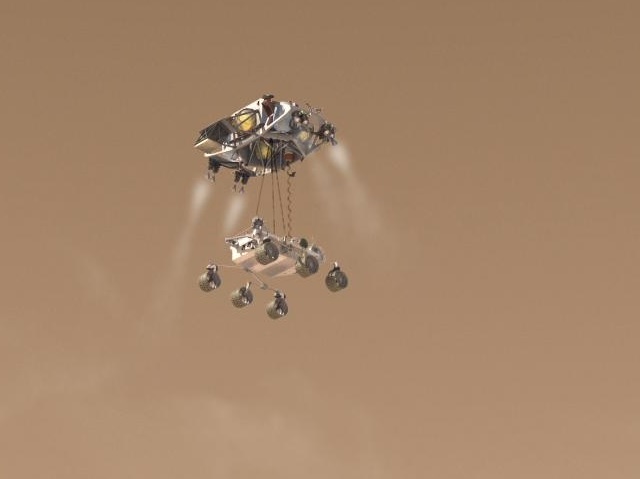
    What will be the next five technologies that will change busines? CITE Magazine has an interview with Tom Soderstrom, the chief technology officer at NASA’s Jet Propulsion Laboratory on what he sees as the next big game changers for business.

    The list features many of the topics we’ve discussed on this blog; data visualization, the Internet of Things, robots, 3D printing and new user interfaces.

    NASA’s Jet Propulsion Laboratory is a good place to start when looking at what technologies will become commonplace in business as the organisation is testing the limits of modern engineering.

    Similar posts:

  • Digital natives and iPads

    Digital natives and iPads

    I’m writing up a review of  the Emergency Services Integrated Communications Vehicle that was showcased at the Melbourne Cisco Live event a few weeks back.

    An comment by one of the National Safety Agency people during the tour was notable; “we need to have modern technology if we want to attract young people.”

    The spokesperson was talking about offering iPad and Android apps for the emergency services workers, particularly in the context of firefighting volunteers having an average age approaching 50.

    Needing the latest technology to attract younger volunteers or workers is an interesting view which I’m not wholly convinced about.

    Do we really need the latest technology do attract younger workers and volunteers or are is this another example of trying to apply tech to a more fundamental problem?

    Similar posts:

    • No Related Posts
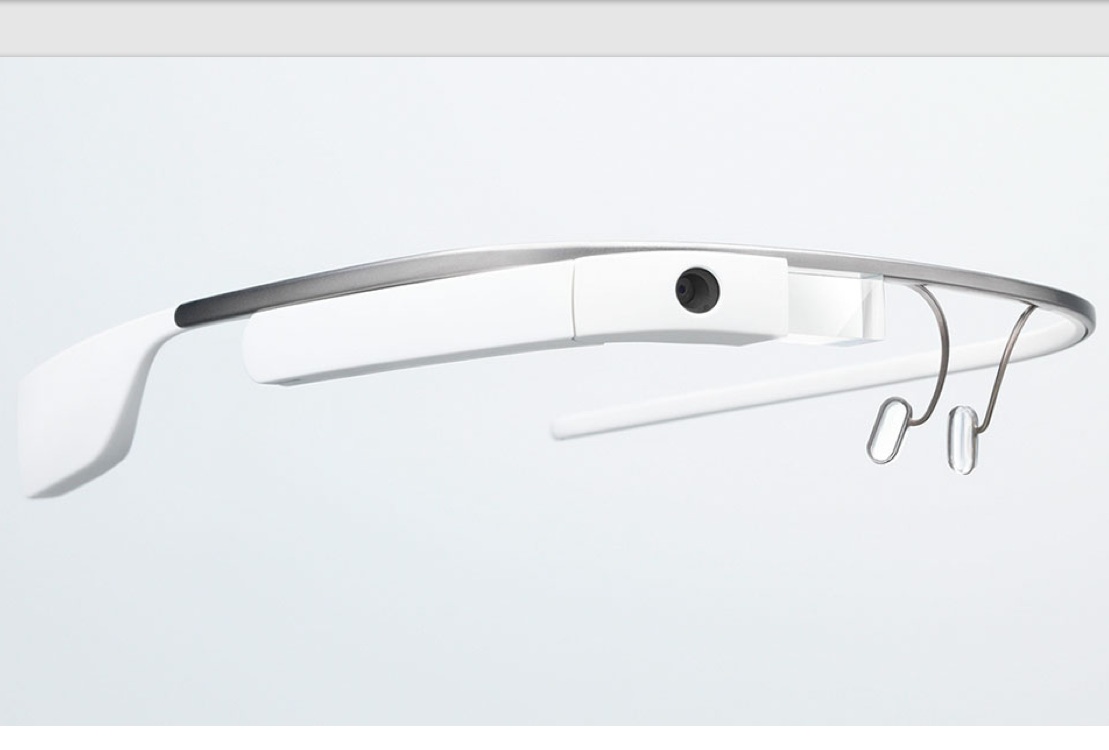
  • Falling out of love with Google Glass

    Falling out of love with Google Glass

    Media hype is normal in the tech industry, it’s common for a new product to receive swooning coverage in its early days but when the press falls out of love with a device, it can be a harsh breakup.

    Google Glass is suffering one of those harsh breakups with with writers and bloggers who were formerly gushing over the product now being publicly unimpressed with the product.

    First out the blocks was Wired’s Matt Honan who described his year as a ‘glasshole’.

    Honan is enthusiastic about the future of wearable devices but doesn’t see Google Glass as being ready for prime time.

    Which is to say, I’m really, really excited about where Glass is going. I’m less excited about where it is.

    Adding to the anti Google vibe was tech maven Robert Scoble who after his year of using the device decided it was too expensive and clumsy.

    Scoble’s point is the current generation of wearable tech is too clunky and user unfriendly to solve the problems it hopes to address.

    Daring Fireball’s John Gruber — who wasn’t one of those gushing over Google Glass — points out this is the exactly why Windows XP tablets were such a failure in the marketplace.

    Gruber also points out another similarity between Google Glass and Microsoft’s attempts at a tablet computer. Each company’s staff were reluctant to use them.

    When your own employees don’t use or support your product, the problem is with the product, not the employees.

    The eating your own dog food mantra cuts both ways; if your own staff find your products unattractive, then you can’t expect customers to warm to them.

    In some ways it’s ironic that Google are receiving press scorn as the company plays the tech media like a violin with privileged insiders getting early access to products create an aura of exclusivity.

    Glass was a classic example of this with a small group of tech journalists getting access to the product, unfortunately those insiders are turning out to be less than impressed.

    Even if it turns out the Google Glass is a failure, it will have been one of the company’s brave moon shots and no doubt what they’ve learned in usablity and mobile data will be very useful to other parts of the business.

    Similar posts:
    • No Related Posts
  • 2014 – the year privacy and security will be defined

    2014 – the year privacy and security will be defined

    Happy New Year – 2013 might have been a disappointing year for tech, but for many it was a weird, wild roller coaster ride. Hopefully that ride is going to result in some very interesting destinations in 2014.

    It’s tempting to make predictions about 2014 and wise heads prefer not to – what I’d refer to is a failed prediction from 2011, that that year would be remembered as the year of the security breach.

    That was wrong. 2012 was worse and 2013 continued the trend of ever increasing corporate glitches and finished the year with two massive security breaches at Target and Snapchat. 2014 promises to be a year when the stakes become higher.

    And then there were Edward Snowden’s revelations. Everyone who’s worked in or reported on the tech sector knew security agencies had the ability to snoop on the data of anyone they thought might be of interest, but few of us thought they would have engaged on such massive sweeps of the planet’s personal and business data.

    Snowden’s leaks and the fallout from them have a long way to play out and the big story is going to be how the US justice system reacts to the creation of a surveillance state.

    In countries like Australia that lack the US’ constitutional protections, fighting the constant spying of government agencies is probably a lost cause unless an economic collapse sees the authorities running out of money to operate their comprehensive monitoring programs.

    What we can be certain of in light of ongoing privacy breaches by governments and businesses that the technology world is going to obsessed about security. That’s probably going to be the big, ongoing story for 2014, even if the mainstream media outlets focus on big TVs and the latest smartphone.

    So Happy New Year and play nice on the internet. The Feds are watching.

    Similar posts:

  • Silos and security in the internet of things

    Silos and security in the internet of things

    Last week Deloitte launched its list of  500 fastest growing Asia-Pacific Technology companies.

    At the Australian media briefing on the list and the company’s predictions for the telecommunications market in 2014 Deloitte’s Jolyn Barker and Eric Openshaw discussed the some of the implications of the report.

    During the briefing Openshaw was asked about the risks of vendors creating their own Internet of Things standards to lock customters into proprietary platforms.

    Openshaw isn’t convinced, “over time when technologies develop out of significant players in an attempt to create or extend a vertical stack, over time the market tends to revolt against that.”

    “There’s usually one or two forces working against that, either the market revolts against it and insists on a new standard or the stack is too successful and regulators will come in and say ‘we don’t like your stack, dismantle it’ .”

    His view is that in the long term issues of vendor lock-in and proprietary platforms fix themselves. “One way or another, these things can be problematic in the short run but typically over time they are resolved.”

    Where Openshaw does see risks with  lying in the security of machine to machine technologies.

    “The security aspect just can’t be overstated in terms of how important it is,” says Openshaw. “When we have demonstrations now of being able to hack a pacemaker, that’s a problem.”

    “So the security issues on these networks is important.”

    The interplay between the software, network protocols and security is going to be complex and may well be what makes or breaks some vendors products.

    It’s still early days to fully appreciate all the risks with the internet of machines, but securing networks and devices will be one of the most important tasks ahead for the industry.

    Similar posts:

    • No Related Posts