Tag: transport

  • Hydrogen trams take to the street

    Hydrogen trams take to the street

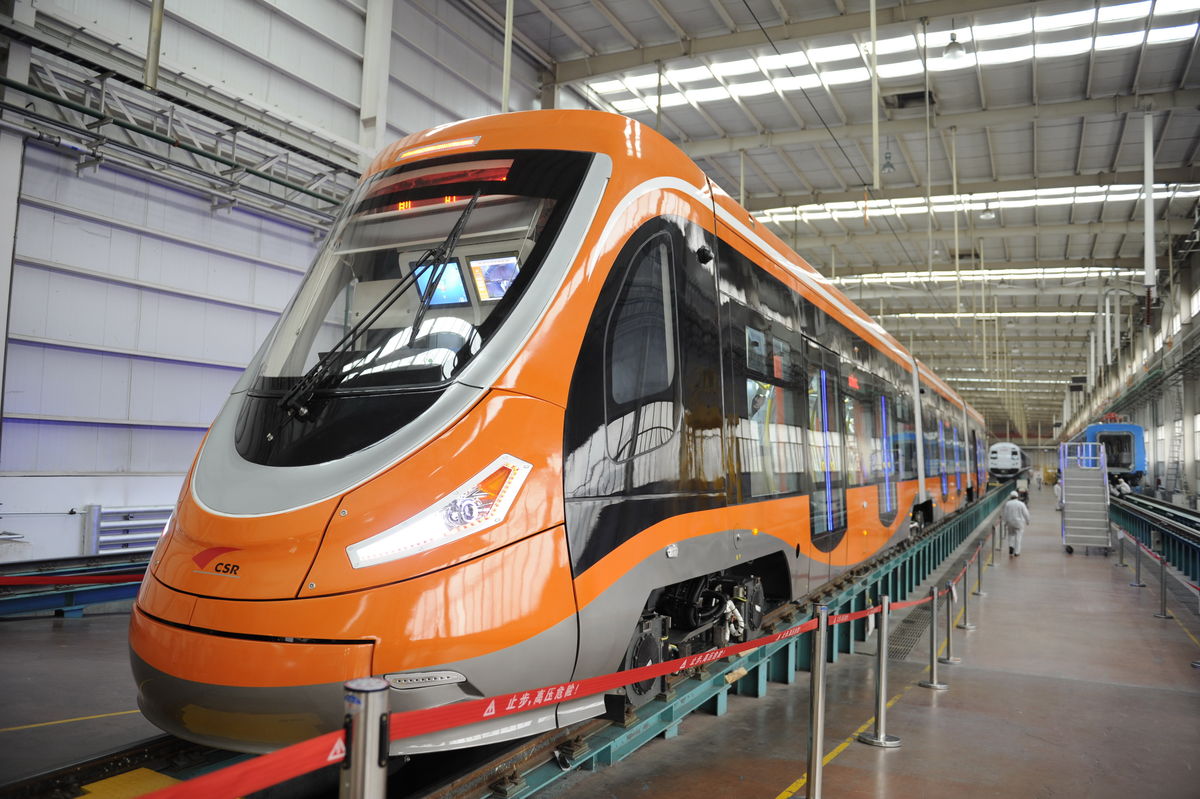
    China doesn’t have many trams but that might change soon as the coastal city of Qingdao rolls out their new streetcar system.

    What makes Qingdao’s system particularly notable is the trams will run on hydrogen with water being the only by-product of the vehicle.

    The Qingdao city leaders hope the hydrogen trams will reduce the chronic air pollution the city, like most Chinese urban centres, suffers.

    Should the trams be successful, hydrogen fuel cells will be another shift from mains electricity and motor vehicles. As we’re seeing, being off the grid might soon be a viable option.

    Similar posts:

    • No Related Posts
  • Using beacons to help the visually impaired

    Using beacons to help the visually impaired

    Transport for London is trialling a scheme where visually impaired passengers on the Underground can use NFC beacons to navigate the system reports the BBC.

    Using beacons and smartphones to assist the disabled is exactly the sort of applications we can see being rolled out to help all members of the community.

    These services are illustrations of how newer technologies are going to help level the workforce and make our cities more accessible for those who are less able bodied.

    Similar posts:

    • No Related Posts
  • Adapting to a new economy

    Adapting to a new economy

    Taxis have gotten their ass kicked” says Hansu Kim, owner of San Francisco’s oldest taxi company.

    Kim’s company, DeSoto, is changing the name it has held since the 1930s to Flywheel in an agreement with the taxi hailing app of the same name. The San Francisco Chronical describes how DeSoto and the city’s other taxi companies are finding times tough now Uber and other services have moved into what was a safe, regulated business.

    DeSoto’s move is a sign of the times as older business models evolve; moving to an app based hailing service improves the experience for everybody in the cab industry and radically changes the economics of getting a ride across town.

    The main reason for Uber’s success is being able to identify both drivers and passengers which improved confidence in the system. In turn, this changes riders expectations and taxi’s fare structures.

    For companies competing with Flywheel the question will be do they participate in this service or do they create their own app. For the industry in general it makes sense to share the infrastructure but for uses it may well be in their interest to have competing apps with different levels of service.

    As the levels of car ownership continue to fall, how taxi hailing and car hire apps evolve will drive the development of our cities through this century. DeSoto and Flywheel’s experiment is the start of many as older businesses adapt to a changing economy.

    Similar posts:

  • Uber and the evolving business model

    Uber and the evolving business model

    Last year we looked at Uber and speculated the software that runs the business positions the company to be more than just a hire car booking service with applications in logistics and other sectors.

    This week Uber’s CEO Travis Kalanick is getting plenty of coverage in the media with extensive profiles in both the Wall Street Journal and Wired.

    Wired’s profile of Kalanick and Google raises Uber’s potential in logistics, funded by a $258 million fund raising led by Google Ventures last August.

    “We feel like we’re still realizing what the potential is,” he says. “We don’t know yet where that stops.”

    While Wired speculates about how Uber would perform against Amazon and Walmart, the car service is different in being more of a big data play than its established, possible competitors.

    The three businesses would be very different creatures in the way they would address consumer markets, it may even be that Uber is more suited to being a B2B or wholesale operation rather than a retailer like Walmart.

    Interestingly Kalanick looks at a target of 2,000 staff by the end of this year reports in his Wall Street Journal interview.

    Mr. Kalanick: We have 550 employees. That’s approximate. We’re definitely going to be well over 1,000, maybe in the 1,500 to 2,000 range [by the end of 2014].

    Having a staff target so high is interesting, it certainly indicates Kalanick sees plenty of growth ahead in the business.

    Similar posts:
    • No Related Posts