Tag: windows

  • Fading giants move to support each other

    Fading giants move to support each other

    Two struggling tech giants are reportedly set to merge with persistent rumours that Dell is about make an offer for storage provider EMC.

    Both companies have been hit by shifts in the computing industry with cloud computing undermining both businesses, Dell was also hit by the collapse of the Windows upgrade cycle which changed the buying patterns of computer purchasers.

    A combined company offers some theoretical advantages in bringing together one of world’s biggest server companies with a storage business, however it’s difficult to see how the two businesses combined would slow the decline of the segments both are strong in.

    Mergers can slow the decline of companies like EMC and Dell, but without innovating and finding new opportunities to exploit it’s unlikely they can recover lost ground.


    Similar posts:

    • No Related Posts
  • Businesses and the Windows 10 upgrade

    Businesses and the Windows 10 upgrade

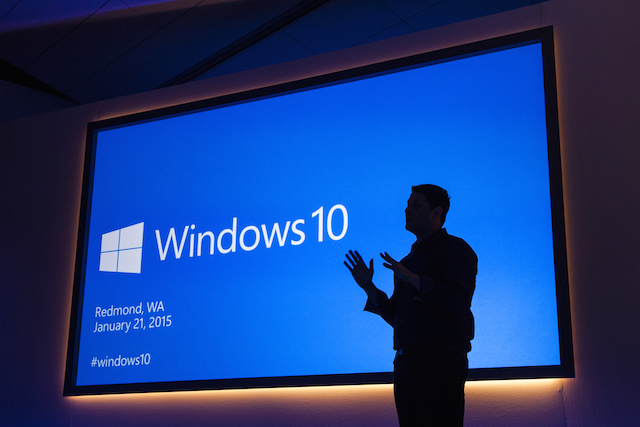
    Last night Microsoft formally launched Windows 10, the company’s latest desktop operating system.

    A decade ago a new Microsoft operating system would have had people queuing at computer shops all night but today, in a world of cloud computing, what software runs on a computer has become less important to users.

    To entice users onto the new operating system, Microsoft are making the upgrade to Windows 10 free for the next year to those using the earlier versions 8 and 7 and many will have noticed the messages appearing on their computers over the past few weeks.

    Windows 10 is a good system, Microsoft has learned from the user unfriendly missteps of Windows 8 and added features that make the system smoother and takes advantage of the desktop computers’ power.

    Microsoft have also continued with their philosophy of providing a system that works on all sizes of devices from smartphones to large monitor PCs and Windows 10 adapts to the needs and use patterns of the different screens.

    That Windows 10 works on smartphones is less of a pressing matter given Microsoft’s attempts to crack the mobile market have been unsuccessfully and Windows phones languish with a tiny market share.

    For business users, the question is whether to take advantage of the upgrade. The short answer is maybe if use cloud based services in your company and wait if you have desktop applications that rely on Windows.

    Should you have applications that run on desktops and servers in your office then it’s essential to wait and see if your software runs properly on Windows 10. You’ll need to talk to the program’s supplier and your IT support person. Generally the advice is to wait a few months to iron out any bugs.

    If you’re using cloud services then the operating system running on your computer is largely irrelevant as long as you have a modern web browser. Microsoft’s new Edge web browser that’s built into Windows 10 so far appears to be a fast and capable piece of software that’s an improvement on the much maligned Internet Explorer that still lurks on the system for backwards compatibly reasons.

    Upgrading though isn’t without its risks, sometimes things go wrong and even the best planned transition doesn’t always work out and generally most cautious IT advisors will take the attitude “if it ain’t broke, don’t fix it.”

    One other potential trap is in hardware. It may be that some printers, cameras and other hardware doesn’t have the right drivers for the new system so while the software upgrade is free, you may end up having to stump up a few hundred dollars for new peripherals.

    For businesses users, if things ain’t broke and the existing computers are working well then the upgrade to Windows 10 is adding unnecessary complexity to the office and it’s probably best to hold off the transition until new computers are needed.

    Similar posts:
  • Security, smartcars and Microsoft Windows – ABC Nightlife July 2015

    Security, smartcars and Microsoft Windows – ABC Nightlife July 2015

    Security problems with smartcars and dating sites along with asking if a new version of Microsoft Windows matters any more are the topics for July’s Nightlife tech spot.

    Paul Wallbank regularly joins Tony Delroy on ABC Nightlife on to discuss how technology affects your business and life.

    If you missed this month’s show, you can listen to the program through the ABC website.

    July’s Nightlife

    A decade ago people lined up all night for a new version of the Windows operating system. Next week Microsoft will be launching Windows 10 to an indifferent market place, does what was once the world’s biggest software company matter anymore in a world of smartphones, connected cars and cloud computing?

    Some of the questions we’ll be answering include.

    • So what are Microsoft announcing next week?
    • What happened to Windows 9?
    • Does Windows really matter any more?
    • The internet has changed things but not always for the better. What about connected cars being hacked?
    • Is this a bigger problem than just connected cars when we’re seeing things like kettles being wired up to the internet?
    • Of course it’s not just cars suffering problems on the Internet, adult dating site Ashley Madison has had potentially 37 million customers’ details leaked online.
    • Could this happen to any business? How do we protect ourselves?

    Listeners’ questions

    A few of the questions from listeners couldn’t be answered on air.

    Running Flash of iPhones and iPads: Steve Jobs’ hatred of Adobe Flash was legendary and as consequence iOS devices like the iPhone and iPad don’t come with the ability to run the software. That’s a problem for those who need Flash for some packages.

    The Puffin web browser gives iPad and iPhone users the ability to use Flash on their devices and is available from the iTunes store.

    Securing Android: While smartphones are less prone to viruses and malware than personal computers, they still are at risk. For Android users there is no shortage of choice for security packages, some of which include;

    Android power hogs: A downside with smartphone apps is they can drain battery life. One excellent feature on Android phones is the ability to easily check what’s using your juice.

    • Open device settings
    • Scroll to “about phone”
    • Click on “battery use”

    Join us

    Tune in on your local ABC radio station from 10pm Australian Eastern Summer time or listen online at www.abc.net.au/nightlife.

    We’d love to hear your views so join the conversation with your on-air questions, ideas or comments; phone in on 1300 800 222 within Australia or +61 2 8333 1000 from outside Australia.

    You can SMS Nightlife’s talkback on 19922702, or through twitter to@paulwallbank using the #abcnightlife hashtag or visit the Nightlife Facebook page.


    Similar posts:

    • No Related Posts
  • Windows 10 release date announced

    Windows 10 release date announced

    Possibly Microsoft’s last big operating system release, Windows 10 will be available on July 29 the company announced today.

    The product, which will be a free upgrade for Windows 7 and 8.1 users, has an OEM price tag of $109 for the home edition and $149 for the professional version according the Newegg website.

    For Microsoft, the race will be on to get Windows 10 onto as many devices as possible to meet its ambitious targets. How it goes with phones and Internet of Things devices remains to be see.

    Similar posts:

    • No Related Posts
  • Seven flavours of Windows

    Seven flavours of Windows

    In a post on Microsoft’s blog the company’s VP for Windows, Tony Prophet, yesterday laid out the final line up of the upcoming Windows 10 software.

    As previously, Microsoft have decided to spoil the market with choice, offering Home, Pro, Enterprise and Education versions of the operating system along with two different versions of the mobile package and a stripped down product for Internet of Things devices.

    In many respects this is Microsoft desperately holding onto the old model of operating systems where a consumer version bundled into a commodity PC offered less than an Enterprise version supplied as part of a lucrative corporate license.

    That model still works – Microsoft’s licensing revenue was $19 billion last year – although it is in slow decline although the problem is operating systems are now commoditised and the old position of dominance in the PC industry doesn’t work in a world of cheap, lightweight devices interacting with cloud based services.

    One theory running around the tech industry at the moment is that Windows 10 will be the last Microsoft operating system, if that’s true then today’s seven flavours of the software is the last grab at the old licensing model.

    Similar posts:

    • No Related Posts