Tag: disruption

  • When disruption meets regulation

    When disruption meets regulation

    Taxi booking applications have been one of the big areas for smartphone developers. Around the world apps for hailing cabs have popped up following the lead of San Francisco’s Uber.

    One of the opportunities for copycat developers is that in most places taxis are regulated by the local city or state government, so an app for New York will struggle in Los Angeles, Paris or Tokyo and savvy entrepreneurs can create their own Uber knock off suited to their own location.

    The problem is in most places taxis are regulated as a cartel, not a public service. Sometimes that cartel is to protect drivers, sometimes the companies that run the networks and often taxi license holders.

    Sydney, Australia, is a good example of the latter two. The New South Wales state government’s rules are designed to protect the interests of the greedy ‘investors’ who’ve bought taxi license plates and the networks who run the booking systems and management of the cabs.

    The result is Sydney cab drivers are treated like serf in what can only described as a feudal system while customers have to put up with lost bookings, poorly kept vehicles and high taxi fares.

    It’s a lousy deal all round and is a great example of where disruption can change things for the better.

    The problem is the incumbents will fight innovation that threatens their cosy and profitable arrangements and the regulators are part of that comfortable alliance.

    In New York it looks like the Taxi and Limousine Commissioner does have some of the consumer interests at heart, pointing out that the metered fare is what passengers have to be charged by law. In most cities though, particularly Sydney, protecting the passenger is just another smokescreen for protecting vested interests.

    Something that many innovators don’t realise is the power of those vested interests.

    In the case of the taxi app developers many of them are about to get a nasty taste of just how vicious incumbent and their tame regulators can be when confronted with a threat to their cosy business arrangements.


    Similar posts:

  • Little disruptions

    Little disruptions

    Seasoned travellers learned long ago to treat the phone in their hotel room with caution as massive mark ups on call charges were a nice profit centre for most establishments.

    With the arrival of the mobile phone, that revenue stream started to shrink and now one hotel in Vancouver has decided to replace their room phones with iPhones.

    The Vancouver Opus hotel already supplies iPads in their rooms and the phones seem a natural extension to that, particularly given the chain has a “virtual concierge” app to guide guests.

    Increasingly it’s only the older hotel chains that rely on excessive charges for things like telephone calls and Internet access. Those establishments rely on the more senior business traveller who are locked into a 1970s way of travelling.

    When you stay at cheaper accommodation or newer boutique establishments, you find many of the expensive extras in the major chains are available cheaply or free. It’s a quandary of travel that a backpackers’ hostel will offer free Wi-Fi while the Sheraton up the road will charge $60 for an often inferior service.

    The opportunity for the Sheratons, or the Hiltons, or the Four Seasons to charge those sort of rates is dying at the same rate their older clientele is retiring. Its a dead model.

    Fortunately for those hotel chains, slamming guests with fat phone charges was just icing on a very rich cake, the loss of those revenues over the last two decades has been unfortunate but not fatal.

    Other businesses though might not be so lucky – if your business relies on big, unreasonable markups then right now you are in a sector very ripe for disruption.

    Similar posts:

  • What do we call the long term?

    What do we call the long term?

    Yesterday Optus launched their revamped business services under the banner of Optus Vision.

    As part of the launch, the telecommunications company released their Future Of Business report complied by Deloitte Access Economics.

    In discussing the details, economist Ric Simes of Deloitte Access made some observations on what drives businesses in adopting digital technologies. Ric broke it down into management time horizons.

    Short term: Economic uncertainty is no excuse for ignoring digital strategies.

    Medium term: Companies start using digital technologies for competitive advantages.

    Long term: Structural change disrupts industries.

    On asking Ric what his definitions of short, medium and long terms are, he said “1-2 years”, “3 to 5” and “beyond five years”.

    The interesting thing with this is that for most industries the long term has arrived, in fact it’s been with us for a decade. It’s just many managers and investors haven’t noticed.

    John Maynard Keynes once said, “in the long run we are all dead.”

    For some industries that long term disruption has happened and their business models have died – it’s just that managers haven’t noticed they are dead.

    Similar posts:

  • Continuing the online payments battle

    Continuing the online payments battle

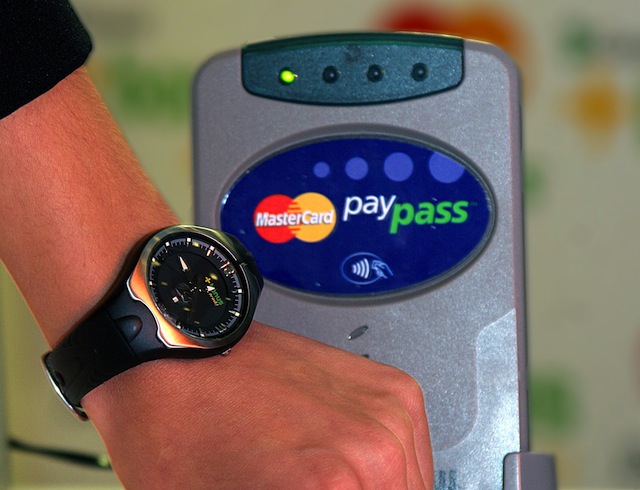
    Today Mastercard announced their PayPass service, a “digital wallet” that allows consumers to pay through various online channels including the web and their smartphones.

    Mastercard’s PayPass is the latest move in the battle to control the online payments industry as consumers move from plastic cards to using their mobile phones and Internet devices.

    One of the interesting aspects of PayPass is how it is a direct challenge to PayPal who in turn recently launched their PayPal Here service which threatens incumbent credit card services like Mastercard and Visa along with upstarts like Square.

    While its early days yet in the mobile payments space as consumers slowly begin to accept using smartphones and tablet computers to pay for goods and services, its clear the industry incumbents are moving to secure their positions in the market place.

    It’s going to be interesting to see how this develops, many merchants will be hoping this competition starts to drive down transaction costs.

    Similar posts: