Author: Paul Wallbank

  • Disrupting the incumbents

    Disrupting the incumbents

    One of the truisms of modern business is that no incumbent is safe, Microsoft, Nokia and Hauwei are good examples of just how businesses that five years ago dominated their industries are now struggling with changed marketplaces.

    In the last two days there’s been a number of stories on how the smartphone and computer markets are changing.

    According to the Wall Street Journal’s tech blog, PC manufacturers are hoping Microsoft’s changes to Windows 8 reinvigorates the computer market.

    Those hopes are desperate and somewhat touching in the face of a structural shift in the marketplace. These big vendors can wait for the Big White Hope to arrive but really they have only themselves to blame for their constant mis-steps in the tablet and smartphone markets.

    Now they are left behind as more nimble competitors like Apple, Samsung and the rising wave of Chinese manufacturers deliver the products consumers want.

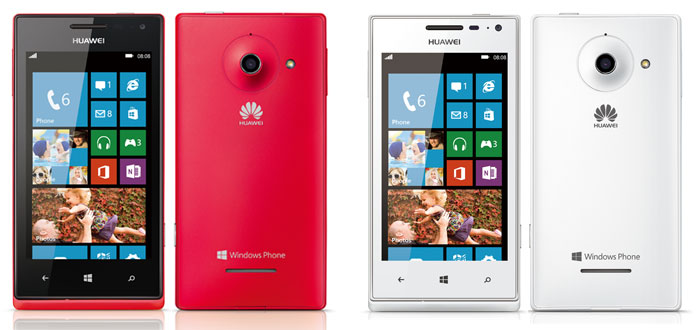
    All is not lost for Microsoft though as Chinese telecoms giant Hauwei launches a Windows Phone for the US markets which will be available through Walmart.

    Hauwei’s launch in the United States is not good news though for another failing incumbent – Nokia.

    Nokia’s relationship with Microsoft seems increasingly troubled and the Finnish company is struggling to retain leadership even in the emerging markets which until recently had been the only bright spot in the organisation’s global decline.

    Yesterday in India, Nokia launched a $99 smartphone to shore up its failing market position on the subcontinent.

    For the three months to March, Nokia had a 23 percent share of mobile phone sales in India, the world’s second-biggest cellular market by customers, Strategy Analytics estimates. Three years ago it controlled more than half the Indian market.

    India isn’t the only market where Nokia is threatened – in February Hauwei launched their 4Afrika Windows Phone aimed at phone users in Egypt, Nigeria, Kenya, Ivory Coast, Angola, Morocco and South Africa.

    The smartphone market is instructive on how many industries are changing, almost overnight the iPhone changed the cell phone sector and three years later Apple repeated the trick with the iPad, in both cases incumbents like Motorola, Nokia and Microsoft found themselves flat footed.

    As barriers are falling with cheaper manufacturing, faster prototyping and more accessible design tools, many other industries are facing the same disruption.

    The question for every incumbent should be where the next disruption is coming from.

    In fact, we all need to ask that question as those disruptions are changing our own jobs and communities.

    Similar posts:

  • Sunset on the laptop market

    Sunset on the laptop market

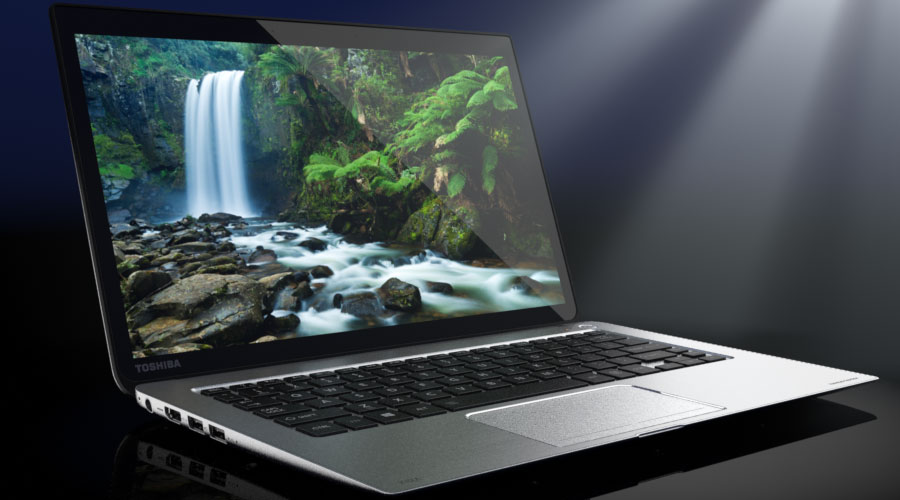
    Yesterday Toshiba released their Kira laptop computer – a premium device aimed at the ‘aspirational’ market.

    The Kira is a fine device with good specs, little weight and an ambitious $2,000 price point. It probably also marks the laptop computer’s decline.

    As tablet computers and smartphones become most people’s preferred computer devices, the laptop computer is becoming a niche device and increasingly less relevant to most technology users. The Kira is fighting for the share of a marketplace that has moved on.

    Losing the Aspirationals

    Unfortunately for Toshiba, those aspirational customers are locked into their Apple iPads and Sumsung smartphones. Laptops are seen as work devices more valued for their portability and cost.

    “We have to give our customers a reason to upgrade their computers,” said Mark Whittard, the Managing director of Toshiba Australia.

    The problem is computer users have little reason to upgrade, as nice as the Kira is the price point is just too high for customers who’ve been groomed to expect sub – thousand dollar systems and there are few compelling reasons to buy such a device.

    Caught in a pricing pincer

    Price points are probably the biggest problem for computer manufacturers – one of the reasons for the tablet computer’s success is they delivered an easy to use, portable computer for half the price of a portable computer.

    At the same time the rise of netbooks and the rush to dump unwanted Microsoft Vista and Windows 7 stock onto the market groomed customers to expect cheap computers – few computer buyers are interested in spending more than a thousand dollars on a device.

    These factors have squeezed the margins of the major manufacturers like Dell, HP and Asus.

    Those pressures are going to increase as volumes fall. For much of the 2000s, laptop computers were fast moving consumer goods – pricing and profits were based on moving large numbers of the devices.

    As manufacturing volumes fall, those devices are going to lose their economies of scale which will put further pressures on vendors’ margins.

    Laptops aren’t going away, they still have a role for power users ­– particularly for those, like this writer, who need a tactile keyboard and media editing capabilities.

    However those feature rich devices with their nice keyboards are going to cost more as parts become more expensive.

    For laptop vendors the challenge is to find the profitable market niches and exploit them. In some ways Toshiba probably has a better opportunity than most with its range of premium and gaming portable computers.

    Those in the market hoping the happy days of big volumes and good profits will return to the laptop PC market are in for a painful future. It’s something retailers, resellers and vendors need to understand.

    Similar posts:

  • Securing the security system

    Securing the security system

    How vulnerable building management systems can be hit me ten years ago when working at an expensive Sydney harbourfront home a decade ago.

    The householder – a rich banker – had spent millions on physical security to insulate his family from the outside world. Yet anybody could dial in and monitor what was happening in the house through the building’s CCTV and management systems.

    Not only were the building’s CCTV and management systems were open to the net, but that the system’s serve ran on an antiquated and unsecured version of Windows 2000 that shared the home network with a couple of enthusiastically downloading teenagers.

    It was a matter of time, perhaps hours, before the system was compromised with worm or virus. The security implications were enormous.

    Even the banker’s business was vulnerable as a targeted hack into the home would allow people to monitor traffic on the network and intercept work related messages.

    What was really shocking however was how the system vendor and integrator who’d installed it simply didn’t care about the client’s security problems.

    So the news that one of Google’s Sydney offices BMS is exposed to the net shouldn’t be a surprise. Building Management Systems, as we saw with the rich banker’s house, are notorious for their poor security.

    For Google this security breach is embarrassing although the responsibility for this flaw lies firmly with the building owner who should have made sure their systems are locked down and properly secured. You can’t throw this problem over the fence.

    One wonders just how widespread these problems are with other industrial systems like SCADA devices and other remotely operated equipment.

    Internet connected systems have been around now for twenty years, there are no longer any excuses for not taking these issues seriously.

    Image courtesy of Tacluda through RGBStock

    Similar posts:

  • Is there a tablet to cure the reality distortion field?

    Is there a tablet to cure the reality distortion field?

    It’s hard not to be impressed by the calibre of guests CNBC’s Squawk Box when they’re able to get Warren Buffett and Bill Gates on together for an interview.

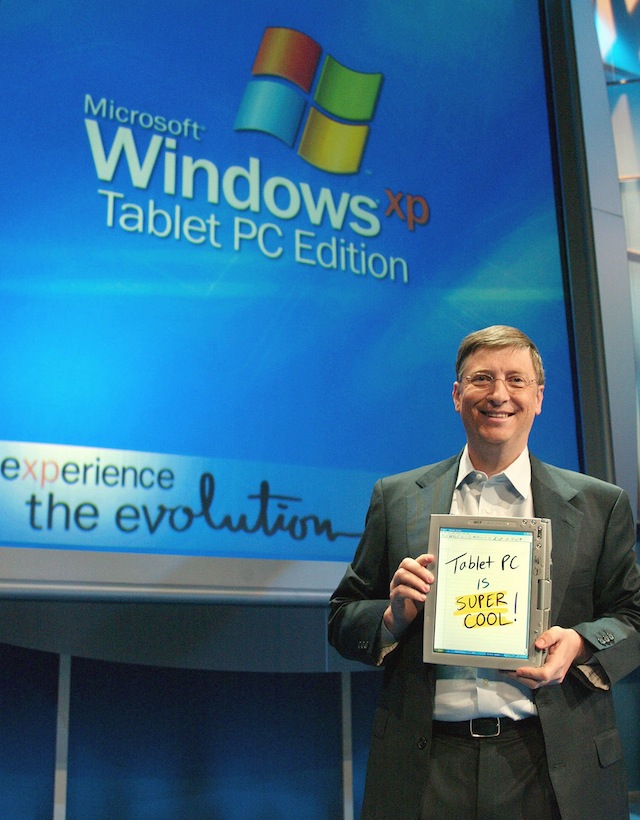
    During the interview Bill Gates made an interesting assertion about Apple’s iPad, ““A lot of those users are frustrated, they can’t type, they can’t create documents, they don’t have Office there.”

    Bill’s undoubtedly right, some iPad users are frustrated by the device’s limitations. However for every irritated iPad user there are a dozen baffled by the lack of a Start button on Windows 8.

    The reality distortion field though is strong, “Windows 8 really is revolutionary,” says Bill. “It takes the benefits of the tablet and the benefits of the PC and it’s able to support both of those.”

    The Microsoft founder is enthusiastic about the company’s Windows tablet, “you have the portability of the tablet but the richness, in terms of the keyboard and Microsoft Office, of the PC.”

    It’s notable Gates mentioned Microsoft Office, particularly given the question was about the cloud. It’s clear one of Microsoft’s priorities is to maintain their strength with productivity applications and move with their customers onto the cloud.

    The problem though for Microsoft is that Apple’s iOS and Google’s Android are dominating the cloud focused operating systems, leaving Windows behind.

    Making matters worse for Microsoft is it’s clear Windows 8 tablets are never going to catch their competitors. Consulting group Gartner last year predicted the global market for tablet computers will double over the next three years, but Microsoft will capture barely 10% of the sales.

     OS

    2011

    2012

    2013

    2016

    iOS

    39,998

    72,988

    99,553

    169,652

    Android

    17,292

    37,878

    61,684

    137,657

    Microsoft

    0

    4,863

    14,547

    43,648

    QNX

    807

    2,643

    6,036

    17,836

    Other Operating Systems

    1,919

    510

    637

    464

    Total Market

    60,017

    118,883

    182,457

    369,258

    Sitting in a reality distortion field is fine when things are going well and you dominate your world, but Microsoft – despite still being insanely profitable – no longer dominates the markets that made it into one of the world’s leading companies.

    The challenge for Bill Gates and Microsoft’s management is adapting to those changes, projecting your own frustrations onto the users of a competitor’s product, isn’t a recipe for success.

    Similar posts:

  • Snapping out of Australia’s China Dreamtime

    Snapping out of Australia’s China Dreamtime

    Australia’s leaders need to snap out of their China dreamland analyst Patrick Chovanec told the Australian Davos Connection’s China Forum two weeks ago.

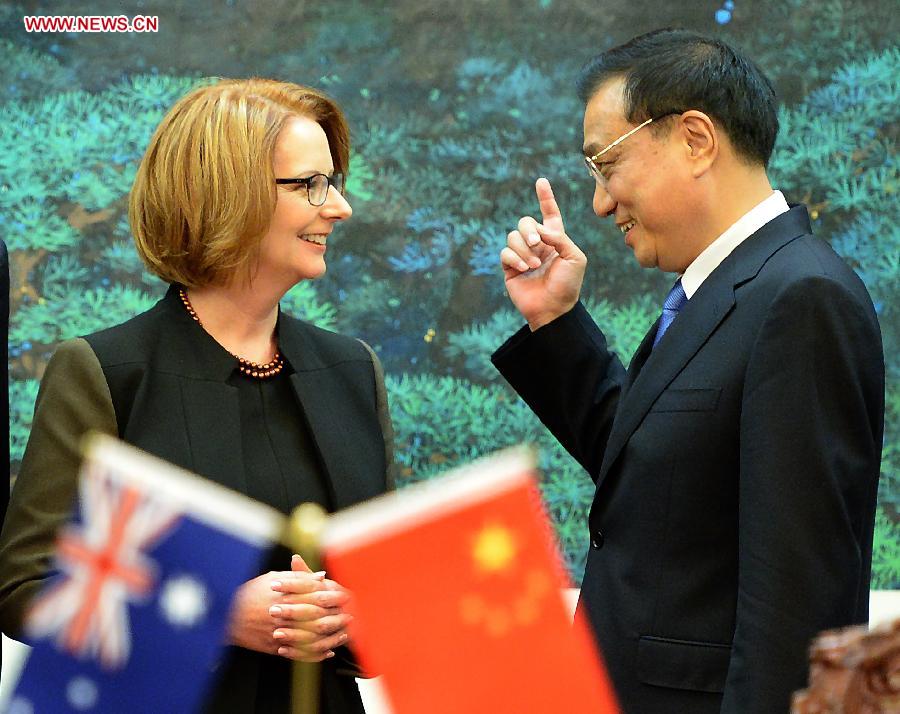
    What triggered this comment was a speech by Australian Treasurer Wayne Swan to the Financial Services Council in Sydney last September where the Treasurer compared China’s economic performance to sprinter Usain Bolt;

    It’s like Usain Bolt easing off a bit at the end of the 100 meters because he’s 10 meters in front and has already smashed the world record.

    “My response was that if that’s the way Australia’s leaders are thinking about China’s economy, if that’s the dreamland that they are in, then they need to snap out of it really fast,” Chovanec said in his keynote.

    “Because China is facing a very serious and potentially disruptive economic adjustment. A realistic idea of where this adjustment is going is essential to countries like Australia.”

    Chovanec’s view is that China cannot sustain current growth rates by “providing the fodder of the consumerist economy.”

    This was borne out in the Global Financial Crises where exports fell from 8% of GDP to 2%. To make up for the drop the PRC government stimulated the economy and investment went 42% of the economy to half.

    It was this stimulus that drove the soaring commodity prices in recent years and underpins the Blue Sky Vision of Australia’s political and business leaders.

    The establishment view is that China will move from infrastructure spending driving the economy to a consumption driven society.

    Moving to a consumption driven economy though means a very different Chinese society which means a different group of winners and losers, Chovanec warns.

    He also doesn’t see urbanisation as the real driver of the Chinese economy, “If you look around the world, urbanisation has not always driven economic growth.”

    “It’s based on a premise that moving people from a rural environment to an urban environment generates productivity gains.”

    “Now for China over the past thirty years that has proven largely true,” says Chavonec, “but going forward most of that hanging fruit has been picked.”

    “In order to realise productivity gains, China is going to have to discover new areas of competitive advantage.”

    The biggest risk that Chovanec sees at present though is the level of bad debts in the economy and the rate of credit expansion with a trillion dollars pumped into the Chinese economy over the last quarter.

    “You’re getting less and less bang for the buck from credit expansion.”

    Chovanec doesn’t see China’s future as bleak though, “the China growth story doesn’t have to be over.”

    “There are a lot of sectors in China where there’s real potential for true productivity gains – agricultural, logistics, health car, services, consumer branding, retail.”

    “The challenge for China is not that the growth story is over but the engine of that growth story is going to have to change.”

    Dealing with those changes is also a challenge for countries like Australia who have staked all on the current growth story.

    Chovanec’s wake up call to Australia’s leaders is timely – the question is how quickly they can wake up to the changes in China.

    Similar posts: