We aren’t prepared for the changes technology is bringing our society warns Vivek Wadhwa in Our future of abundance—and joblessness.
Vivek makes the important point that in the near future many of the jobs we take for granted today will be replaced by machines, this is similar to the warning from Andrew McAfee that a wave of innovation is going to overrun businesses over the next two years.
That innovation is going to cause massive disruption; as Vivek notes we’re going to see the loss of jobs in occupations as diverse as taxi drivers, farmers and – probably the most underestimated of all affected occupations – managers.
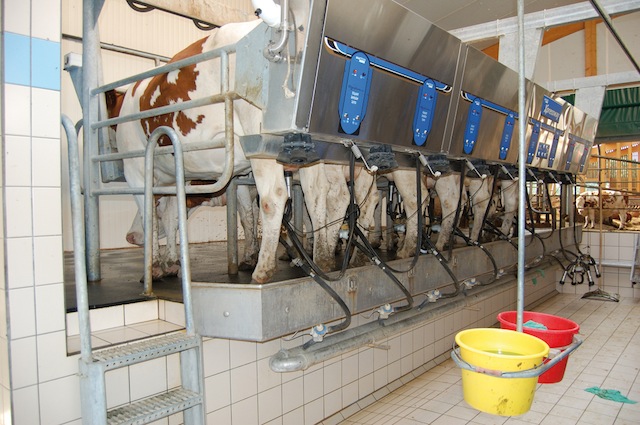
Of course this is not first time we’ve seen massive changes to our economy and over the last century farming has gone from one of the most labour intensive industries to one of the most automated.
The automation that changed farming though created millions of new jobs; today’s retail and food industries employ far more people than agriculture did a century ago and most of those jobs were made possible by the same technologies that reduces the need for farm workers.
Vivek acknowledges this in quoting Ray Kurzweil in that jobs are lost only if we look narrowly at the industries and communities affected.
Automation always eliminates more jobs than it creates if you only look at the circumstances narrowly surrounding the automation. That’s what the Luddites saw in the early nineteenth century in the textile industry in England. The new jobs came from increased prosperity and new industries that were not seen.
What we have to acknowledge though is the transition to a new economy won’t be painless and that millions of people will be dislocated and some communities will cease to exist – just as the bulk of the developed world’s populations moved from rural villages to industrial cities during the Twentieth Century.
The truth is we don’t know how that process is going to evolve; then again, neither did our forebears a hundred years ago.
A hundred years ago we were at the beginning of an age of abundant energy and that changed society beyond recognition in the course of the century, at the end of this century of abundance our society will be very different again.
Similar posts: