Category: cloud computing

  • Building a billion dollar start up

    Building a billion dollar start up

    Two years ago we interviewed Mikkel Svane the founder of cloud service provider Zendesk about modern customer support.

    Since we spoke to him Zendesk have had a successful IPO and is now worth over a billion dollars.

    In the latest Decoding the New Economy video interview we catch up with Mikkel and discuss the journey from being a three person startup to a billion dollar listed company.

    Similar posts:

    • No Related Posts
  • Collaboration and buzzwords

    Collaboration and buzzwords

    Today in Technology Spectator, I have a piece on collaboration based around the Google and Deloitte paper released last week.

    At the moment Google are on a marketing campaign promoting Apps for Business, for a previous campaign I prepared The Future of Teamwork which examined the benefits of cloud computing for industry.

    It’s interesting how the message hasn’t changed a great deal in the last five year, despite it being valid.

    Similar posts:

    • No Related Posts
  • Restructuring Microsoft

    Restructuring Microsoft

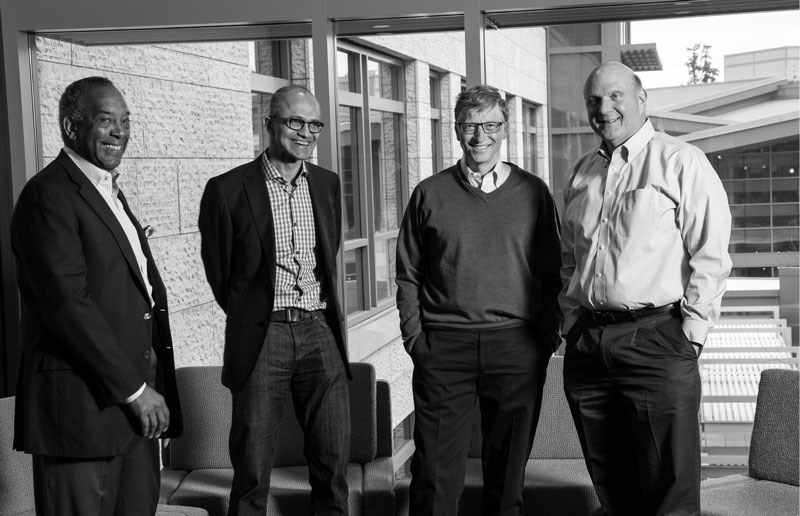
    After last week’s long memo from CEO Satya Nadilla, it was inevitable Microsoft would have to restructure around the company’s new direction.

    Bloomberg now reports Microsoft will be laying off thousands of employees – possibly more than the 5,800 laid off in the recessionary depths of 2009.

    With 127, 000 employees Microsoft could almost certainly do with a cull, to make the company as nimble as it needs to be may take more than 5,000 jobs.

    Similar posts:

    • No Related Posts
  • Fear in the cloud – the loss of trust in online business

    Fear in the cloud – the loss of trust in online business

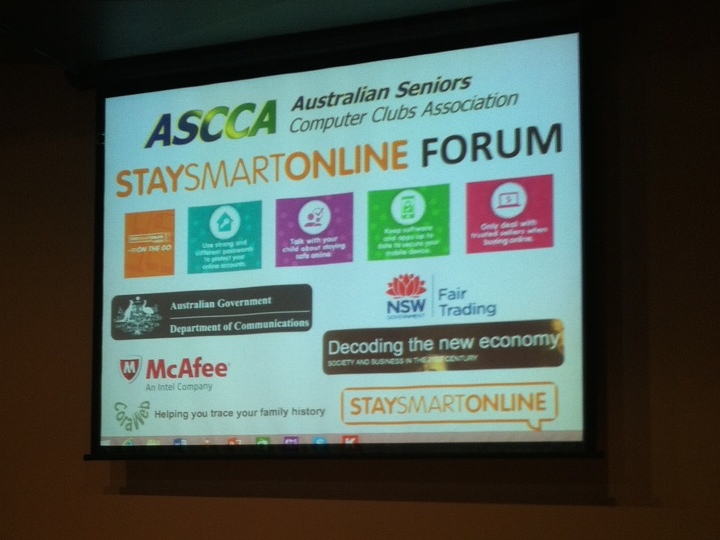
    Today I spoke about online safety to the Australian Seniors’ Computer Clubs Association about staying safe online.

    Hopefully I’ll have a copy of the presentation up tomorrow but what was notable about the morning was the concern among the audience about security and safety of cloud services.

    The ASCCA membership are a computer savvy bunch – anyone who disparages older peoples’ technology nous would be quickly put in their place by these folk – but it was notable just how concerned they are about online privacy. They are not happy.

    Another troubling aspect were my answers to the questions, invariably I had to fall back on the lines “only do what you’re comfortable with”  and “it all comes down to a question of trust.”

    The problem with the latter line is that it’s difficult to trust many online companies, particularly when their business models relies upon trading users’ data.

    Resolving this trust issue is going to be difficult and it’s hard to see how some social media platforms and online businesses can survive should users flee or governments enact stringent privacy laws.

    It may well be we’re seeing another transition effect happening in the online economy.

    Similar posts:

    • No Related Posts
  • Building an internet we’re not ashamed of

    Building an internet we’re not ashamed of

    Late last month writer, painter and software developer Maciej Ceglowski spoke at the design and technology conference, Beyond Tallerand in Dusseldorf.

    The Internet with a Human Face is his closing keynote for the conference – let’s try to kill that kill that awful term ‘locknote’ for closing presentations – and is a wonderful overview of the unintended consequences of the internet we’re now seeing emerge.

    Maciej compares the internet’s effects with that of the motor car in the Twentieth Century – the rise of the automobile totally changed society in ways our great grandparents couldn’t have expected.

    Unexpected consequences

    In many respects the changes were positive; the age of the motor car saw massive increases in living standards through the second half of the century. However the immediate downside of those efficient supply chains were equally massive increases in obesity rates, suburban alienation and urban sprawl.

    A similar thing is happening with this wave of technological changes; as Maciej describes in our presentation, our views of how the web was going to evolve is turning out to be very different to what we expected.

    One great example is in small business advertising where we expected online channels would democratise marketing. Instead the exact opposite has happened.

    Maciej’s view is far broader than just the relatively trivial problem of small business advertising, particularly with the ‘Internet never forgetting’ with the concentration of the industry in one of the world’s great earthquake zones as another major risk.

    Building an internet we’re not ashamed of

    Ultimately, though Maciej sees the problems facing the internet industry as a design problem.

    “I have no idea how to fix it. I’m hoping you’ll tell me how to fix it. But we should do something to fix it. We can try a hundred different things. You people are designers; treat it as a design problem! How do we change this industry to make it wonderful again? How do we build an Internet we’re not ashamed of?”

    While being ashamed is a big call, and probably unfair in that it’s like blaming Henry Ford for 2014 childhood obesity rates in Minnesota, Maciej has flagged that there are real adverse unintended consequences to the way the internet is evolving.

    All of us involved in the industry need to recognise those adverse effects and start acting to fix these problems.

    Similar posts:
    • No Related Posts