
Category: cloud computing

  • Why VCs hate Amazon

    Why VCs hate Amazon

    “Venture capital investors hate us” said Dr Werner Vogels, CTO of Amazon.com at the April Sydney FED, “once you needed five million dollars to launch a new technology business, today you need $50,000 and a big box of ramen.”

    Dr Vogels was talking about the Amazon Web Services (AWS) platform that underpins many of the cloud computing and social media sites which are redefining how we use computers and the web.

    What’s really interesting with the doctor’s comment is it’s only part of the story; for businesses outside the tech sectors –say retailers or service companies – they get cheap or even free access to the cloud computing services running on AWS or its cloud competitors like Windows Azure.

    For those businesses, it’s possible to start an idea for nothing but the founder’s time; rather than putting fliers up at the local bus stop or shopping mall an entrepreneur starting an online store or neighbourhood computer repair business now can create a website and all the local search profiles without spending a cent.

    Being able to start up a business with little, if any, capital means we’re seeing a new breed of innovators and entrepreneurs entering markets.

    At the corporate level, or in the $50 million dollar VC investment field, the opportunities for exploring Big Data without buying big supercomputers is another benefit of the cloud computing services.

    Services like ClimateCorp which insures farmers against extreme weather couldn’t have existed a few years ago as the processing power to analyse historical rain and drought data was only available to those with insanely expensive super computers.

    Today, the combined power of millions of low powered cheap computers – the definition of cloud computing – delivers the processing grunt of a supercomputer at a fraction of the cost.

    Access to cheap computing power means innovations can be bought to market quickly and at a fraction of the cost that was normal a decade ago.

    We’re in early days with what the effects of super cheap computing means to most industries, but it is changing industries as diverse as agriculture, banking, logistics and retail quickly.

    Cloud computing is giving big business the tools to understand their markets better and small business the ability to grab customers from bigger competitors who are too slow or don’t want to face what their clients really think.

    These are the forces that are changing the way business is being done; if you’re in business it’s time to start paying attention.

    In reality, Dr Vogels is pulling our legs – the smart VCs aren’t hating Amazon, they are rubbing their hands at the profits that are going to be made in disrupting cosy industries.

    Similar posts:

  • Who will be the future Betamaxes?

    Who will be the future Betamaxes?

    This morning Paypal announced its PayPal Here service, a gizmo that turns a smartphone into a credit card reader.

    On reading PayPal’s media release in the pre-dawn, pre-coffee light I found myself grumpily muttering “which platforms?” as the announcement kept mentioning “smartphones” without saying whether it was for iPhone, Android or other devices.

    It turns out to be both Google Android and Apple iOS. It adds an interesting twist to the Point Of Sale market we’ve looked at recently.

    The omission of platforms like Windows Phone raises the question of which platforms are going to go the way of Betamax?

    Sony’s Betamax and JVC’s VHS systems were the dominant competitors in the video tape market in the early 1980s. They were totally incompatible with each other and users had to make a choice if they wanted to join one camp or the other when they went to buy a video recorder.

    On many measures Betamax was the better product but ultimately failed because VHS offered longer program times and Panasonic’s licensing out of their technology meant there were more cheaper models on the market.

    A few days ago Bloomberg Businessweek listed the Betamax device as one of the “technology’s failed promises”

    With a superficial comparison, Apple would seem to the Betamax while Google and possibly Microsoft are the VHS’s given their diverse range of manufacturers their systems run on and Apple’s refusal to license out iOS, which was one of the reasons for Sony’s failure.

    But it isn’t that simple.

    In the smartphone wars, it’s difficult to compare them to VCRs as the video tape companies never controlled content and advertising the way smartphone systems do – although Sony did buy Columbia Studios at the peak of the Japanese economic miracle in 1987.

    This control of content is what makes the stakes so high in the smartphone and tablet operating systems war. A developer or business that dedicates their resources to one platform could find themselves stranded if that platform fails or changes their terms of services to the developer’s detriment.

    Another assumption is there is only room for one or two smartphone systems; it could turn out the market is quite happy with two, three or a dozen different systems and incompatibilities can be overcome with standards like HTML5.

    In a funny way, it could turn out to be Android becomes the Smartphone Betamax due to having too diverse a range of manufacturers.

    One of the first questions that jumps out when someone announces a new Android app is “which version?” The range of Android versions on the market is confusing customers and not every app will run on each version.

    More importantly for financial apps like PayPal Here and Google Wallet, smartphone updates include critical security patches so many of the older phones that miss out on updates pose a risk to the users.

    In the financial world confidence is everything and if customers aren’t confident their money is safe or will be promptly refunded in the event of fraud they won’t use the service.

    Whether this uncertainty will eventually deal Google out of the game or present an opportunity for Microsoft and other companies is going to be one of the big questions of the mobile payments market.

    Similar posts:

  • Reinventing point of sale

    Reinventing point of sale

    One of the banes of running a business computer support organisation were cash registers.

    Retail Point Of Sale (POS) systems were almost always arcane, clunky and difficult to maintain, at PC Rescue we dreaded a call from a shop, pub or hairdresser having problems with their registers.

    Frequently this was by design, the POS system supplier would try to lock in their business customers into expensive support contracts.

    By making it difficult for anybody without intimate knowledge of the product to actually do anything with it, the retailer was stuck having to hire overpriced custom support.

    To make things worse, many of the POS systems ran on outdated hardware which offered the suppliers another opportunity to hit their customers (victims?) with high support costs.

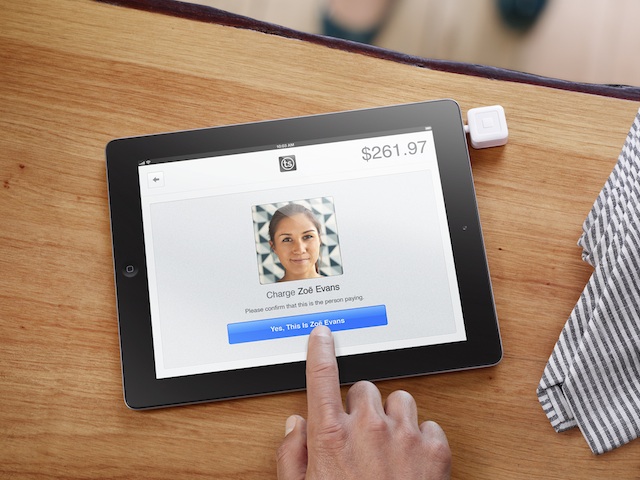
    Since the iPad was released, I’ve been waiting for an application using cloud services for a back end that challenges the existing Point of Sale systems and today US online payments system Square has announced their Square Register app.

    While only available in the US, Square has been setting the pace for physical payment systems like taxi fares and coffees using online technologies so it’s hardly surprising they are leading this push.

    The iPad as a cash register is a logical step for the device and tied in with a robust Point Of Sales platform behind a simple to use app, it will probably make a huge dent in the point of sale market.

    It may be the Square service won’t be the point of sale leader – Square is more a payments service than retail platform – which means this field is way open for some savvy operators.

    One of the concerns with the Square service, and any iPad based application, is the spectre of vendor lock-in. Being fixed on the iOS platform means there is a risk of being held hostage to Apple’s business plans, also being locked into Square’s payment systems may not be the best choice for many merchants.

    The payments and point of sale industry is another that’s being radically changed by mobile devices coupled with cloud computing. It’s not a time for incumbents to rest on their laurels.

    Similar posts:

  • The battle for big data

    The battle for big data

    Information has always been a key part of doing business – having an intimate knowledge of customers and suppliers is one of the traits of a successful entrepreneur.

    As Internet access becomes taken for granted and computer processing power becomes cheaper, the nature of how business data is used is changing.

    Earlier this week the iStrategy digital marketing conference was held in Sydney. Much of the talk at the event was about how marketers can use the data being generated by the Web.

    At the opening panel representatives from PwC, Google, Expedia and News Limited showed how Internet businesses are gathering data.

    Nicholas Chu of Expedia went through the journey of a family to Disney Land, describing how they are integrating search and social tools into the experience of organising a holiday online and catching up with friends.

    Lucinda Barlow of Google told the story of how a doting father’s baby photos were saved after he lost his phone, luckily it was all synched in the cloud with Google+ and Picasa services.

    All this data is being collated, saved, mined and processed. Companies like Google and Expedia – not to mention Facebook or Apple – see this information as their businesses’ major asset.

    One of the other panel members, Stuart Spiteri of News Limited, raised the problem with this when he asked if everybody in the room really understood the consequences of giving their data to intermediaries like Apple or Facebook.

    For businesses this is a problem, we’ve become used to the free platforms given to us by Facebook and Google while the easy distribution systems like iTunes mean it’s easier to give Apple a 30% cut than sell products ourselves.


    In the travel industry it means Expedia or any of the other dozens of travel planning sites like Tripadvisor or, again, Google know more about our customers and the patterns affecting our business than the local hotel, restaurant or tourist attraction does.

    That easy booking service suddenly looks expensive when it becomes clear it could be offering different holiday or meal options to your customer whose likes and preferences it now intimately knows.

    When the web first came along many of us, myself included, believed it would get rid of the middle man. We were wrong.

    The web has affected the businesses of existing middlemen like department stores, newspapers or travel agents but in their place a whole new group including companies like Amazon, Google and Expedia have taken their place.

    Whether these middlemen add more value than ones they replaced will be seen, but we can be certain the new breed are much better at collecting and analysing data about our customers.

    One of the big battles for the next decade is going to be for customer data. Smaller businesses may find themselves marginalised as the big Internet companies fight to grab information about consumers.

    It’s worthwhile treasuring what you know about your clients and considering exactly which of the online gatekeepers you’re sharing these vital assets with.

    Similar posts:

    • No Related Posts
  • Software’s mini revolutions

    Software’s mini revolutions

    The CIA’s ‘revolutionary’ announcement of their changes to the way they buy software shows just how the relationship between software vendors and businesses is evolving as cloud computing methods become widely adopted.

    For businesses it means more flexibility and efficiency while for software companies the new marketplace is requiring them to be more flexible and responsive. Those changes will challenge some vendors.

    What’s driving these changes is ‘big data’ – the explosion of data being collected and stored – and the move to cloud based computer systems.

    The CIA, like most businesses or home computer users, used to buy software by the license. For small businesses and homes this was by buying a box of disks from the local computer shop while for big organisations there were volume licenses where they bought the right to use tens of thousands of copies of the one program.

    Box licensing was never satisfactory, it was difficult for users to know what exactly they bought and customers were always a year or more behind the trend.

    Keeping up with Technology

    One of the big pluses with cloud based systems is you don’t have to wait a year or two for a new release incorporating the latest technology. It’s rolled out as it becomes available without any work by the user.

    With the old box software model you had to wait for the latest release and even then the features you were waiting for could still be missing.

    As technology is moving fast online, organisations like the CIA can’t afford to wait.

    Pay as you go

    Another problem with the old software model was that big and small organisations found they were buying things they didn’t need.

    This is particularly true with licensing agreements where a company might have 100,000 licenses when they only needed 15,000.

    Pay as you go billing, which is the standard model for cloud computing services, means a lot more flexibility and a much more efficient way of managing software spend.

    Closer relationships

    In his speech describing the changes, the CIA’s top technology officer Ira Hunt said the agency is prepared to give vendors a “peek under the covers”.

    This sort of closer relationship between suppliers and customers is one of the biggest attractions of the cloud computing model. It means both users and suppliers are more closely aligned.

    For software vendors that close alignment is where the opportunities lie; the old days of flogging fat, expensive licenses are over and the successful sellers of computer programs will be quicker and nimbler.

    The CIA has been accused of formenting many revolutions around the world, this is one most business owners should be happy about them leading.

    Similar posts: