Category: Internet of Things

Posts relating to the internet of things, IoT and M2M technologies

  • Heartbleed, kettles and design – ABC 702 Mornings

    Heartbleed, kettles and design – ABC 702 Mornings

    This morning from 10.20am on 702 Sydney I’m talking to Linda Mottram about the Heartbleed bug, connected kettles and dropping off the grid. It’s crowded twenty minutes and I’m not sure how much we’ll cover.

    Heartbleed is the main topic of the segment and it’s a big issue that not only exposes a weakness in secure computing but also points out problems with the Internet of Things and the open source model of developing software.

    One of the quirky stories of the last few weeks has been the iKettle, a connected kitchen appliance. Do we need one and what happens to your cup of tea if the internet drops out.

    3D printing is changing the world of manufacturing but designers are now looking at 4D printing, what is it and how might it change the world of design.

    If we get time we’ll also look at the possibilities of dropping off the all seeing grid with the story of a security researcher who tried to hide her pregnancy from the Internet.

    We’d love to hear your views so join the conversation with your on-air questions, ideas or comments; phone in on 1300 222 702 or post a question on ABC702 Sydney’s Facebook page.

    If you’re a social media users, you can also follow the show through twitter to @paulwallbank and @702Sydney.
    Similar posts:

    • No Related Posts
  • Microsoft and the Internet of Your Things

    Microsoft and the Internet of Your Things

    Microsoft has come late to the Internet of Things party, but it is has a good angle with it’s ‘Internet of Your Things’ tagline.

    General Manager of Microsoft’s embedded systems division, Barb Edson, spoke with Decoding The New Economy about the company’s strategy with the Internet of Things.

    For Microsoft, the emphasis is on the enterprise side of the business with Edson describing their strategy of “B2B2C” where the value in the IoT lies in managing the data for the businesses providing consumer services.

    Most notable is the company’s IoT tagline, as Edson says; “from Microsoft’s perspective we view the Internet of Things as ‘the internet of your things.”

    “Lots of companies out there talking about the Internet of Everything that there’s 212 billion devices, why do you care as business executive. You care about your things.”

    Microsoft’s strategy is based on leveraging their own assets such as Azure cloud services, SQL Server and Dynamics along their customers’ existing infrastructure.

    This retrofitting the internet of things to existing infrastructure is illustrated by Microsoft’s using the London Underground as its main reference site.

    Connecting all 270 stations of London’s 150 year old Tube network to the IoT is a massive undertaking and one that can only be done by retrofitting existing monitoring and SCADA systems.

    Interestingly the case study only look at Phase One of what appears to be pilot project in selected locations, the Microsoft spokespeople were a little unclear on this when asked.

    The London Underground is only one example of millions of organisations that will grapple with adding existing equipment to the internet of things in coming years; it’s an opportunity that Microsoft has been smart to identify.

    Edson however is clear on how Microsoft intends to help companies deal with the information overload facing managers, “I think the most exciting thing is we’re seeing real business problems being solved.”

    Similar posts:

  • Microsoft’s not like everybody else

    Microsoft’s not like everybody else

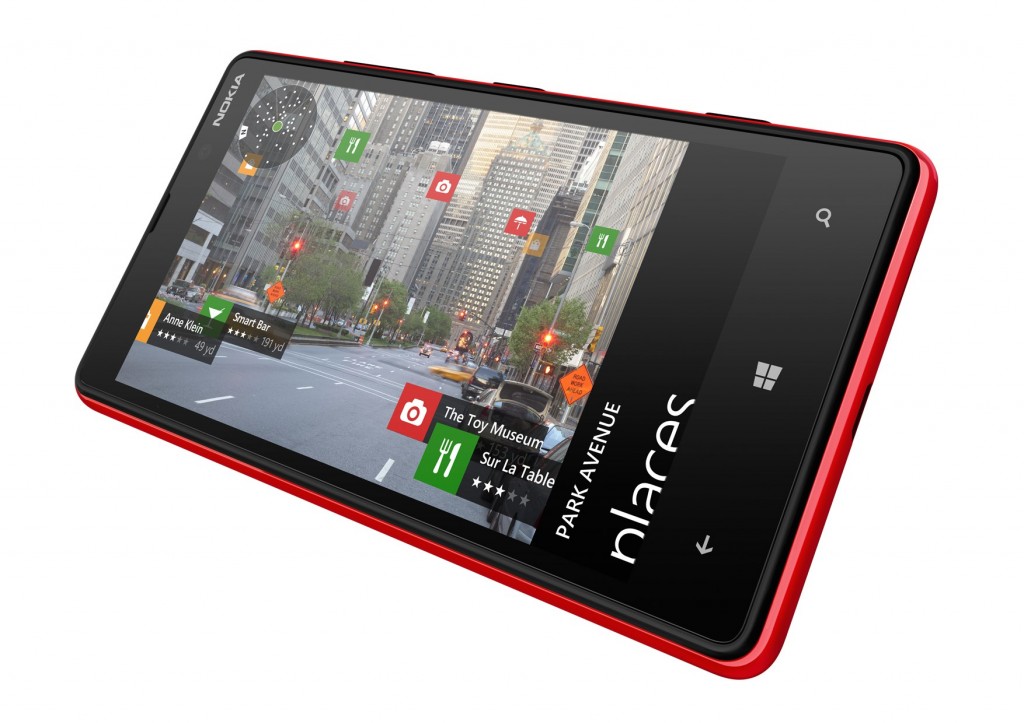
    “Not like everybody else” proclaims Microsoft’s first ad for its newly acquired Nokia phone division.

    In what way the Microsoft-Nokia product isn’t like its Apple and Android competitors isn’t clear from the ad, but hopefully they’ll tell us.

    The real concern with the Microsoft ad is that it again appears the business is being left behind in a marketplace shift as Google, Samsung, Apple and all the other smartphone leaders move to integrate their phones with smarthomes, fridges and even football stadiums.

    Sadly it might turn out that, once again, Microsoft isn’t like everybody else.

    Similar posts:

    • No Related Posts
  • NASA and the five technologies that will change business

    NASA and the five technologies that will change business

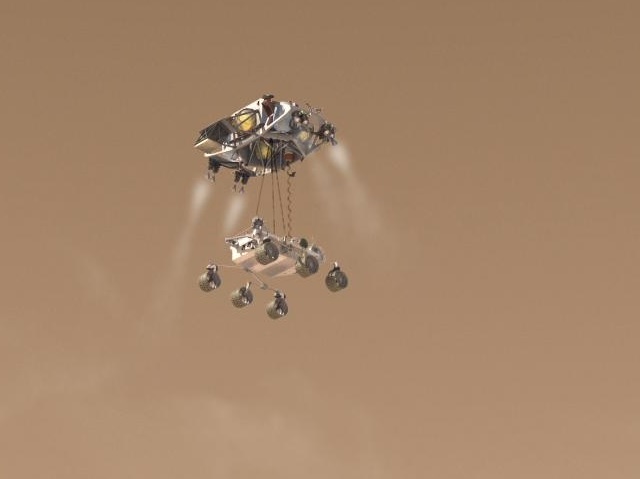
    What will be the next five technologies that will change busines? CITE Magazine has an interview with Tom Soderstrom, the chief technology officer at NASA’s Jet Propulsion Laboratory on what he sees as the next big game changers for business.

    The list features many of the topics we’ve discussed on this blog; data visualization, the Internet of Things, robots, 3D printing and new user interfaces.

    NASA’s Jet Propulsion Laboratory is a good place to start when looking at what technologies will become commonplace in business as the organisation is testing the limits of modern engineering.

    Similar posts:

  • When the connection drops out, will your iKettle work?

    When the connection drops out, will your iKettle work?

    During the dark days of the Tech Wreck, the poster product for the heady excesses of the Dot Com era was the connected fridge.

    Today it could be the iKettle that marks the height of the Internet of Things craze, a kettle you can control from your smartphone.

    While the app doesn’t automatically fill the kettle; it does allow you to turn it on, schedule times and control the water temperatures.

    The problem though is what happens when your kettle or phone can’t connect to the internet?

    Burning data centres

    Over the weekend, Samsung customers learned what happens when a connected device can’t connect when a fire in a South Korean data centre triggered an outage that prevented the company’s smart TV, Blu-Ray player and phone customers from properly using their equipment.

    It would be really irritating if you couldn’t boil a kettle because your internet was down, however the more serious question is what happens when your home’s smoke detectors can’t connect? Or when your smarthome or connected car can’t authenticate your identity and locks you out?

    Securing the IoT supply chain

    For industry, the problems are even more pressing; in the not too distant future a truck carrying perishable goods may well have its deliveries refused by a customer if the cargo has lost connectivity.

    In life or mission critical applications, relying on connections that may not be dependable could have disastrous consequences.

    While the iKettle might be a bit of gimmick, it raises some important issues of what happens should your internet connection go down.

    If the Internet of Things is to be trusted by households and industry, it’s essential that systems are robust and maintain operations when they’re disconnected.

    Similar posts:

    • No Related Posts