Category: Smartphones

  • Chinese businesses take on the world

    Chinese businesses take on the world

    We’ve looked previously at how Chinese manufacturers are moving up the value chain, proof of how PRC based companies are beginning to make their mark on markets are the latest smartphone IDC rankings.

    Two Chinese companies, Lenovo and Xiaomi, entered the rankings with the latter recording a threefold increase on the previous year’s sales.

    Remarkably, Xiaomi only had a few hours as number three in IDC’s global ranking as Lenovo closed its Motorola acquisition shortly after the release which pushed the combined company into third position.

    Top Five Smartphone Vendors, Shipments, Market Share and Year-Over-Year Growth, Q3 2014 Preliminary Data (Units in Millions)

    Vendor

    2014Q3 Shipment Volumes

    2014Q3 Market Share

    2013Q3 Shipment Volumes

    2013Q3 Market Share

    3Q14/3Q13 Change

    1. Samsung

    78.1

    23.8%

    85.0

    32.5%

    -8.2%

    2. Apple

    39.3

    12.0%

    33.8

    12.9%

    16.1%

    3. Xiaomi

    17.3

    5.3%

    5.6

    2.1%

    211.3%

    4. Lenovo*

    16.9

    5.2%

    12.3

    4.7%

    38.0%

    4. LG*

    16.8

    5.1%

    12.0

    4.6%

    39.8%

    Others

    159.2

    48.6%

    113.0

    43.2%

    40.8%

    Total

    327.6

    100.0%

    261.7

    100.0%

    25.2%

    Source: IDC Worldwide Quarterly Mobile Phone Tracker, October 29, 2014

    The two companies illustrate the different strategies Chinese companies are making in taking on the world; while Lenovo is growing through acquiring ‘cast off’ operations like Motorola Mobility from Google and the various hardware arms of IBM, Xiaomi is growing through selling lower budget devices into East Asian markets.

    Both approaches have their strengths and benefits and illustrate as much the diversity of the markets the two companies are chasing as much as the differing management philosophies of the business.

    The other message from the respective successes  of Lenovo and Xiaomi is that Chinese companies, particularly manufacturers, are increasingly confident in competing in the global marketplace.

    Just as Japanese manufacturers found their feet in the 1970s with many becoming global brands and market leaders, we are seeing the same thing happening with the Chinese businesses today.
    Similar posts:

    • No Related Posts
  • Google moves deeper into the smarthome

    Google moves deeper into the smarthome

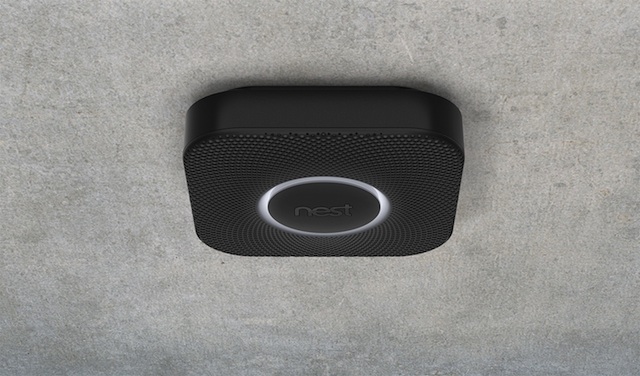
    Since Google bought smart smoke detector company Nest earlier this year it’s become apparent that the search engine giant sees the smarthome as one of its big marketplaces in the near future.

    Nest’s acquisition of smarthome automation company Revolv yesterday illustrates this and shows that Nest is Google’s smarthome division.

    As the smarthome becomes more common, the value of controlling the systems that run the connected home’s devices becomes greater. So the positions being taken by Apple, Google and Samsung are going to be important as the marketplace develops.

    The latter relationship — Google and Samsung — is particularly fascinating as Samsung’s smartphones and tablets are locked into the Google Android system which makes it harder for the Korean industrial giant to strike off in an independent path.

    All of this of course is based upon homeowners being happy with having their smarthomes locked into one vendor’s platform. We may yet see the market rebel against the internet giant’s ambitions to carve up the connected world.

    Similar posts:

    • No Related Posts
  • Attacking Apple iPhone 6

    Attacking Apple iPhone 6

    One of the saddest things in life is the company that bleats ‘but we thought of it first’ when overtaken by a smarter or more credible competitor.

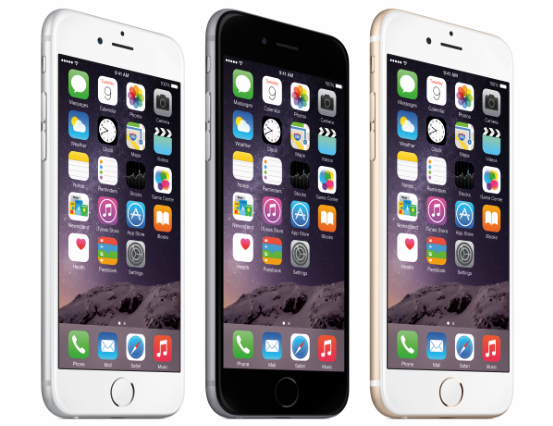
    Since the release of the iPhone 6, the knives are out for Apple with Samsung, HTC and even Sony poking fun at the new product pointing out the features already in their products.

    The problem for Apple’s competitors is the market isn’t listening to the attack ads. In China alone a million iPhones were sold in first hour they went on sale.

    For companies competing with Apple they have to find a compelling product, not be sniping at the market leader. For Samsung in particular with its falling revenues it needs to be generating some excitement in the market, not depressing its customers.

    Here’s the Samsung ad; while it’s pointing in the wrong direction it’s good in that it holds the critics to account but it makes not a spit of different to the marketplace.

    Similar posts:

    • No Related Posts
  • Facebook incurs the users’ revenge

    Facebook incurs the users’ revenge

    On the web, no-one likes being forced into downloading a new app. That could be the main lesson from Facebook’s splitting messenger into a new app.

    Users aren’t happy and it shows in the product reviews as Mashable reports. Across the world the new Facebook Messenger app is getting the thumbs down in App Store reviews.

    Which goes to show how the public now have the power to strike back when they believe a corporation isn’t behaving fairly.

    The ball’s now in Facebook’s court to win back trust with an app that delights users. If they don’t, there’s always another disrupter on the horizon.

    Similar posts:

    • No Related Posts
  • Changing technology

    Changing technology

    Last night’s ABC Nightlife program showed how the tech industry has changed in the last five years.

    In 2009 the bulk of the conversation would have been about personal computers, laptops and viruses.

    Last night, malware is still an important topic but almost all of last night’s listener questions were around smartphones and Tony’s questions were on social media.

    That social media and smartphones were the main topics and personal computers — and Windows — were barely mentioned show just how the computer industry has shifted.

    Similar posts:

    • No Related Posts