Category: software

  • Businesses and the Windows 10 upgrade

    Businesses and the Windows 10 upgrade

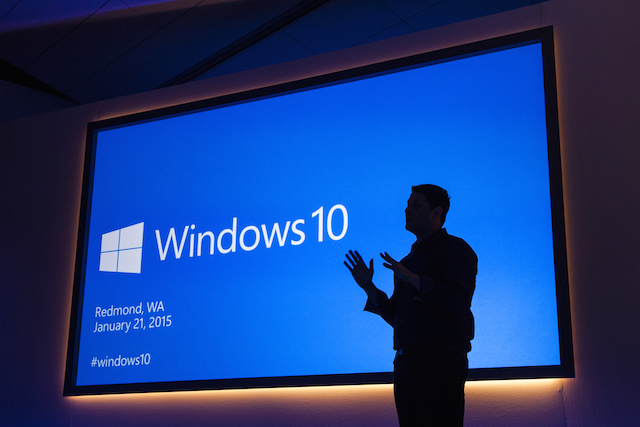
    Last night Microsoft formally launched Windows 10, the company’s latest desktop operating system.

    A decade ago a new Microsoft operating system would have had people queuing at computer shops all night but today, in a world of cloud computing, what software runs on a computer has become less important to users.

    To entice users onto the new operating system, Microsoft are making the upgrade to Windows 10 free for the next year to those using the earlier versions 8 and 7 and many will have noticed the messages appearing on their computers over the past few weeks.

    Windows 10 is a good system, Microsoft has learned from the user unfriendly missteps of Windows 8 and added features that make the system smoother and takes advantage of the desktop computers’ power.

    Microsoft have also continued with their philosophy of providing a system that works on all sizes of devices from smartphones to large monitor PCs and Windows 10 adapts to the needs and use patterns of the different screens.

    That Windows 10 works on smartphones is less of a pressing matter given Microsoft’s attempts to crack the mobile market have been unsuccessfully and Windows phones languish with a tiny market share.

    For business users, the question is whether to take advantage of the upgrade. The short answer is maybe if use cloud based services in your company and wait if you have desktop applications that rely on Windows.

    Should you have applications that run on desktops and servers in your office then it’s essential to wait and see if your software runs properly on Windows 10. You’ll need to talk to the program’s supplier and your IT support person. Generally the advice is to wait a few months to iron out any bugs.

    If you’re using cloud services then the operating system running on your computer is largely irrelevant as long as you have a modern web browser. Microsoft’s new Edge web browser that’s built into Windows 10 so far appears to be a fast and capable piece of software that’s an improvement on the much maligned Internet Explorer that still lurks on the system for backwards compatibly reasons.

    Upgrading though isn’t without its risks, sometimes things go wrong and even the best planned transition doesn’t always work out and generally most cautious IT advisors will take the attitude “if it ain’t broke, don’t fix it.”

    One other potential trap is in hardware. It may be that some printers, cameras and other hardware doesn’t have the right drivers for the new system so while the software upgrade is free, you may end up having to stump up a few hundred dollars for new peripherals.

    For businesses users, if things ain’t broke and the existing computers are working well then the upgrade to Windows 10 is adding unnecessary complexity to the office and it’s probably best to hold off the transition until new computers are needed.

    Similar posts:

  • Windows 10 release date announced

    Windows 10 release date announced

    Possibly Microsoft’s last big operating system release, Windows 10 will be available on July 29 the company announced today.

    The product, which will be a free upgrade for Windows 7 and 8.1 users, has an OEM price tag of $109 for the home edition and $149 for the professional version according the Newegg website.

    For Microsoft, the race will be on to get Windows 10 onto as many devices as possible to meet its ambitious targets. How it goes with phones and Internet of Things devices remains to be see.

    Similar posts:

    • No Related Posts
  • Google joins the IoT operating system race

    Google joins the IoT operating system race

    Later this week Google will announce an Android based IoT operating system later this week at their I/O Conference, Netimperative reports.

    In doing so they’ll be joining Microsoft, GE, BlackBerry and a host of others in looking at providing the software that runs the Internet of Things.

    The carving up of the IoT continues.

    Similar posts:

    • No Related Posts
  • Seven flavours of Windows

    Seven flavours of Windows

    In a post on Microsoft’s blog the company’s VP for Windows, Tony Prophet, yesterday laid out the final line up of the upcoming Windows 10 software.

    As previously, Microsoft have decided to spoil the market with choice, offering Home, Pro, Enterprise and Education versions of the operating system along with two different versions of the mobile package and a stripped down product for Internet of Things devices.

    In many respects this is Microsoft desperately holding onto the old model of operating systems where a consumer version bundled into a commodity PC offered less than an Enterprise version supplied as part of a lucrative corporate license.

    That model still works – Microsoft’s licensing revenue was $19 billion last year – although it is in slow decline although the problem is operating systems are now commoditised and the old position of dominance in the PC industry doesn’t work in a world of cheap, lightweight devices interacting with cloud based services.

    One theory running around the tech industry at the moment is that Windows 10 will be the last Microsoft operating system, if that’s true then today’s seven flavours of the software is the last grab at the old licensing model.

    Similar posts:

    • No Related Posts
  • Winning the cloud

    Winning the cloud

    “The cloud has won, the argument is over and any software company that hasn’t moved onto the cloud is doomed,” stated Netsuite CEO Zack Nelson at the Suiteworld 2015 conference in San Jose this week.

    Nelson and Netsuite certainly can say their software is selling with revenues increasing thirty percent over the last year, although the company’s overall losses were the same as a year earlier at $22 million.

    As with all conferences the focus was on big product announcements with Netsuite showcasing their enhanced Point of Sale services, European data centres and their alliance with Microsoft.

    Microsoft become partners

    The video appearance of Microsoft CEO Satya Nadella to announce the partnership covering Azure web services and Office 365 is another step by Nadella to move Microsoft into strategic relationships with key cloud computing companies following another with Dropbox last month and with Netsuite’s fierce rival Salesforce last year.

    For Netsuite the partnership offers the opportunity to integrate more tightly into Microsoft’s office productivity and enterprise tools that have been clawing their way back in marketshare after sustained attacks from Google and other cloud services.

    In the product offerings, Netsuite was showing its push into ecommerce and retail showing off both its Point Of Sale system and its site builder capabilities with the big boast their back end services are “faster than Amazon’s.”

    Taking the game up to Amazon is a big boast and it will be worthwhile seeing how the Seattle based giant responds, certainly for Netsuite’s customers having an e-commerce system that can match the industry leader will be a big attraction.

    Rolling out the data centers

    Data centers are always an issue for cloud computing services with the questions of redundancy, data sovereignty and latency being raised. The announcement that Netsuite will be opening centres in Europe will help the company in those growth markets.

    For the Asia Pacific, there are no immediate plans for data centers in the region but the company’s main push is on developing deeper relationships into the Chinese markets with resellers and partners.

    The international push is important for Netsuite with the proportion of its non-US revenues being stuck at just over a quarter for each of the last three years with Craig Sullivan, the company’s Senior Vice President for Enterprise & International Products, flagging China, Brazil and Germany as key growth markets in the coming years.

    A native look and feel

    In all three countries the company is betting on partners growing market share through a Most Valued Players and reseller programs aided by the company’s claim the software works natively in 19 different languages.

    “We want international users feel like NetSuite was designed for them,” is Sullivan’s ambition for the service’s global operations.

    Cloud computing may have won the software wars but there’s still plenty of battles to be fought over who will make the profits from the online software market, a fight not helped by evolving business models.

    Suiteworld was a good demonstration of what Netsuite is hoping to fight that battle with. Whether it’s enough to succeed either as a company or a takeover target remains to be seen.

    Similar posts: