Category: software

  • Shifting the cloud business model

    Shifting the cloud business model

    “What’s the biggest risk to your business?” was one of the questions asked of Netsuite CEO Zack Nelson during a post keynote discussion at the Suiteworld event in San Jose yesterday.

    Nelson’s response was the shift to transaction based businesses and cited cloud based human resources company Zenefits as an example.

    The transactions model can work two ways with either a fee being charged for each transaction – something that data analytics Splunk does – or Zenefit’s model of taking third party commissions.

    A commission driven business

    Zenefits doesn’t charge for its software instead making money from commissions paid by companies they refer users to. When a client needs workplace insurance or a new benefits package, the service gets a fee from the provider.

    Investors love the idea with the company yesterday raising $500 million in a round that values the business at $4.5 billion dollars after just two years since being founded.

    Regulators however don’t like its less than transparent commissions with the service in trouble in a number of US states and it’s clear to see how such a revenue model would hit problems in countries with strong disclosure rules.

    Both of the transaction models present a threat to current cloud computing software businesses such as Netsuite and Salesforce that charge fixed license fees based on the number of users and the features they want. Both Splunk and Zenefits on the other hand give their software away.

    Disrupted disrupters

    Just as the cloud providers’ licensing model disrupted the traditional massive negotiated contracts for enterprise software and the fixed cost box model for small business, the online companies themselves might be facing their own disruption to the way they make money.

    For executives like Zach Nelson, shifting from one lucrative model to another more uncertain revenue source will be something keeping them awake for a while longer.
    Similar posts:

    • No Related Posts
  • Microsoft builds its future

    Microsoft builds its future

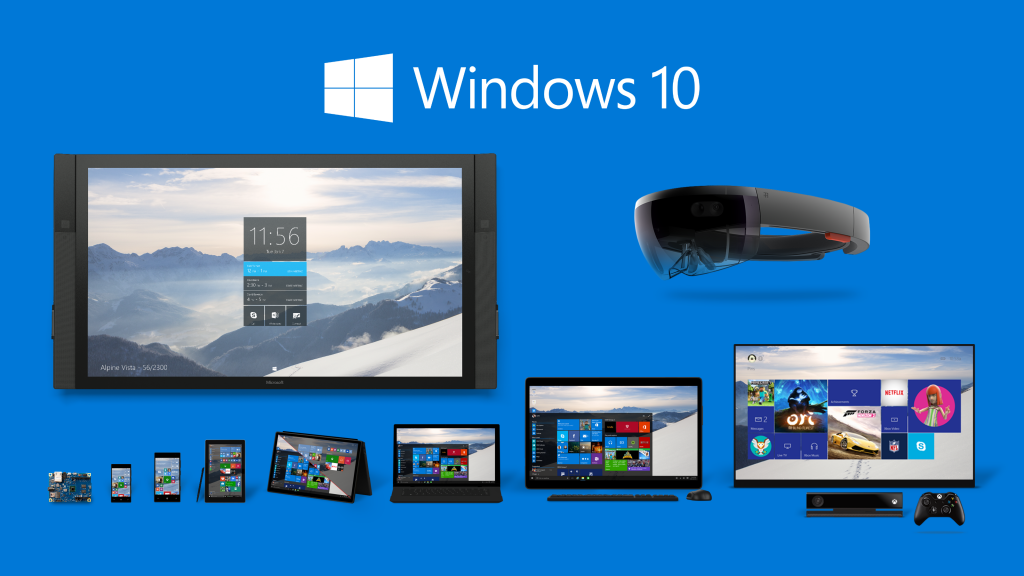
    A billion devices running Windows 10 was the promise made by Microsoft at the company’s Build Conference in San Francisco yesterday.

    The ambition is based upon delivering the system on devices ranging from desktop computers down to the embedded systems on Internet of Things devices.


    As part of the drive to get onto the IoT, Microsoft also announced Windows 10 initiatives for the makers’ community with various programs for Arduino, Raspberry Pi and Intel’s Minnowboard.

    At the same time the company announced how some software will soon be able to run on iPhones and Android devices with an extended Software Developers Kit.

    While this makes Windows more attractive for developers who no longer have to develop different versions for the Microsoft product, it’s also an admission the company’s phone strategy has failed.

    For Microsoft yesterday’s Build Conference was the opportunity for the company to show their vision of the market’s future that involves computers, mobile devices, the cloud and the Internet of Things.

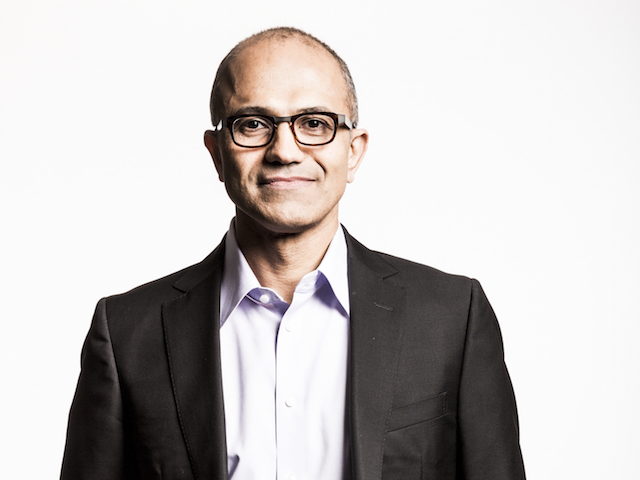
    Whether Microsoft is part of that future is the main concern of CEO Satya Nadella.

    Similar posts:

    • No Related Posts
  • Dropbox and Microsoft’s alliance of convenience

    Dropbox and Microsoft’s alliance of convenience

    Today’s announcement that Dropbox and Microsoft have deepened their alliance throws a further challenge out to Google’s ambitions to take a slice of the office productivity market while further reducing profits for the once dominant software giant.

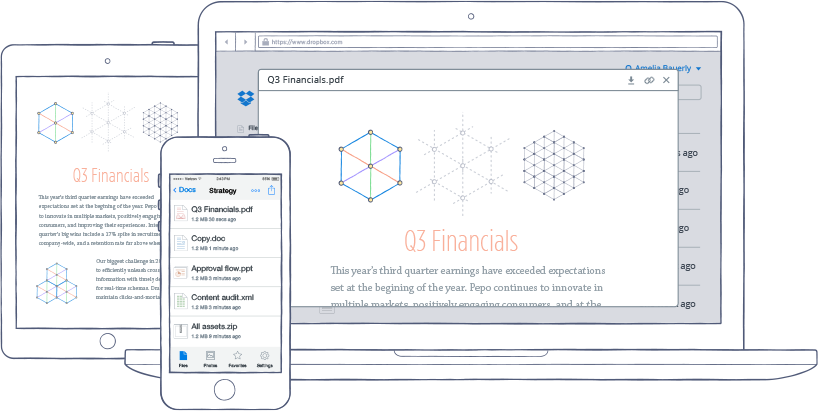
    Dropbox’s new deal with Microsoft give of users the ability to edit Office documents natively in their browser. It’s an advanced version of the feature that Google have offered with their Docs service for some years.

    A notable aspect of this deal is how Dropbox have been prepared to partner with Microsoft – a decade ago smaller and relatively new companies were suspicious of working with Microsoft given the giant’s well deserved reputation for ruthless behaviour.

    Equally Microsoft teaming with more agile newcomers rather than trying to bully them out of business is a distinct change from the company’s peak days under Bill Gates.

    The real target of the alliance though is Google and the Dropbox-Microsoft deal makes Office 365 a far more formidable offering as a cloud service.

    For Google the deal means they have to add more features to their Docs service to counter a more competitive Microsoft offering. It also shows the marketplace is shifting as alliances of convenience are forming.

    Similar posts:

    • No Related Posts
  • Microsoft in Middle Age

    Microsoft in Middle Age

    One of the great business stories of today is how Microsoft is reinventing itself in the face of a totally changed industry. With the company turning 40, The Economist has a look at the business in its middle age.

    The Economist concludes CEO Satya Nadella is making the important changes to the business that founder Bill Gates couldn’t make because he was too protective of the company’s core products and that Steve Ballmer, Nadella’s predecessor, wasn’t interested in making as he sweated the existing assets.

    As this blog has pointed out before, The Economist notes the profit margins of the cloud and mobile services Nadella is focusing on are far slimmer than those Microsoft are used to from their server and desktop products.

    Those fat profit margins were the reason why Nadella’s predecessors had little reason to refocus the company but towards the end of Ballmer’s leadership it was clear Microsoft couldn’t resist the shift for much longer.

    Microsoft’s dilemma was clear to the stock market as well with The Economist having a chart showing the relative performance of IBM, Microsoft and Apple over the last 35 years.

    share-price-value-of-tech-stocks-ibm-microsoft-apple

    When Microsoft peaked in the late 1990s, the company was worth over twenty percent of the total tech sector’s valuation – today Apple has stolen most of that value.

    A particularly jarring from The Economist’s graph is just how much IBM dominated the tech sector a generation ago and its steep decline following the introduction of desktop computers.

    IBM’s decline in its dotage is exactly the fate Nadella is trying to avoid for Microsoft, with companies like Google, Apple and Amazon as competitors he has a tough task ahead of him.

    Similar posts:

  • Who owns a smartcar’s smarts?

    Who owns a smartcar’s smarts?

    Automakers Say You Don’t Really Own Your Car states the Electronic Frontiers Foundation.

    In their campaign to amend the US Digital Millenium Copyright Act to give vehicle owners the right to access and modify their automobiles’ software the EFF raises an important point.

    Should the software licensing model be applied to these devices then purchasers don’t really own them but rather have a license to use them until the vendor deems overwise.

    Cars, of course, are not the only devices where this problem arises. The core of the entire Internet of Things lies in the software running intelligent equipment, not the hardware. If that software is proprietary and closed then no purchaser of a smart device truly owns it.

    Locking down the smarthome

    This raises problems in smarthomes, offices and businesses where the devices people come to depend upon are ‘black boxes’ that they aren’t allowed to peer into. It’s not hard to see how in industrial or agricultural applications that arrangement will often be at best unworkable.

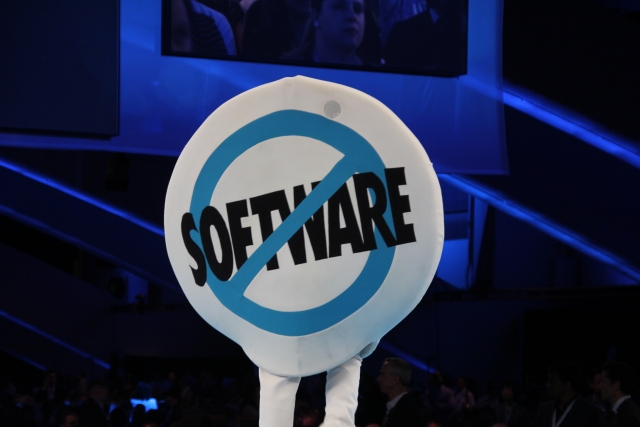
    Four years ago tech industry leader Marc Andreessen pointed out how software is eating the world; that most of the value in an information rich economy lies in the computer programs that processes the data, not the hardware which collects and distributes it.

    That shift was flagged decades ago when the initial fights over software patents occurred in the 1980s and 90s and today we’re facing the consequences of poorly thought out laws, court decisions and patent approvals that now challenge the concepts of ownership as we know it.

    Is ownership outdated?

    However it may well be that ‘ownership’ itself is an outdated concept. We could be entering a period where most of our possessions are leased rather than owned.

    If we are in a period where ownership is an antiquated concept then does it matter that our cars, fitness bands, kettles, smoke alarms and phones are in effect owned by a corporation incorporated in Delaware that pays most of its tax in the Dutch Antilles?

    Who owns the smartcar’s data?

    The next question of course is if the software in our smart devices is secret and untouchable then who owns the data they generate?

    Ownership of a smartcar’s data could well be the biggest issue of all in the internet of things and the collection of Big Data. That promises to be a substantial battle.

    In the meantime, it may not be a good idea to tinker too much with your car’s software or the data it generates.

    Similar posts:

    • No Related Posts