Category: Telecoms

  • The high stakes of Lumia

    The high stakes of Lumia

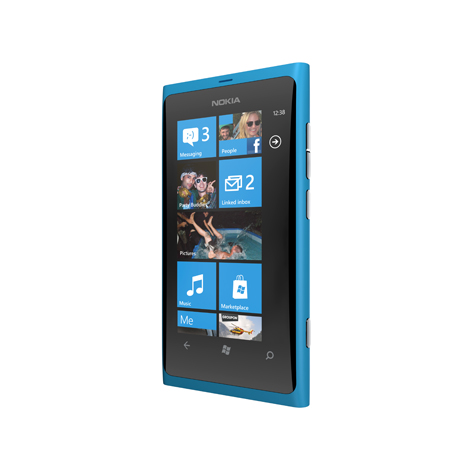
    Yesterday Nokia and Microsoft gave a preview of their upcoming Lumia 710 and 800 phones for the Australian market. It’s make or break time for both companies in the mobile space.

    The phone itself is quite nice – Windows Phone 7.5 runs quite fast with some nice features such as integrated messaging and coupled with good hardware it’s a nice experience. Those I know who use Windows Phones are quite happy with them (I’m an iPhone user myself).

    Whether its enough to displace the iPhone and the dozens of Android based handsets on a market where both Nokia and Microsoft have missed opportunities remains to be seen.

    The battle is going to be on a number of fronts – at the telco level, in the retail stores and, most importantly, with the perceptions of customers.

    Probably the biggest barrier with consumers is the perceived lack of apps, to overcome this Nokia have bundled in their Maps and Drive applications while Microsoft include their Mixed Radio streaming features along with Microsoft Office and XBox integration.

    As well the built in services, both parties are playing up their application partners with services like Pizza Hut, Fox Sports and cab service GoCatch. Although all of these are available on the other platforms.

    While application matter, the real battle for Nokia and Microsoft is going to be in the retail stores where the challenge shouldn’t be underestimated.

    Apple dominate the upper end of the smart phone market and Android is swamping the mid to low end. How Windows Phone devices fit remains to be seen.

    In Australia, if they going to find salvation it will be at the tender hands of the telco companies.

    The iPhone is constant source of irritation for the telcos as not only do Apple grab most of the profit, but they also “own” the customer.

    On the other hand, Android devices are irritating customers who are bewildered by the range of choices and frustrated by inconsistent updates that can leave them stranded with an outdated system.

    So the Windows Phone does have an opportunity in the marketplace although one suspects commissions and rebates will be the big driver in getting sales people at the retail coal face to recommend the Microsoft and Nokia alternatives.

    Overall though, it’s good to see a viable alternative on the market. For both Microsoft and Nokia the stakes are high with the Lumia range – it could be Nokia’s last shot – so they have plenty of incentives to get the product right.

    Microsoft has consistently missed the boat on mobile computing since Windows CE was launched in 1996 while Nokia were blind-sided by the launch of the iPhone in 2007 and have never really recovered.

    To make things worse for Nokia, the market for basic mobile phones where they still dominate is under threat from cheap Android based devices. So even the low margin, high volume market isn’t safe.

    For both, the Lumia range is critical. 2012 is going to be an interesting year in mobile.
    Similar posts:

  • The mobile payments revolution

    The mobile payments revolution

    Ten years ago when I was running a computer support business we spent a lot of time trying to find an mobile payment service for our on-site technicians to process payments.

    At the time there were plenty of options but they were all expensive, asking 6% in merchant fees at a time when our bank merchant facility charged us 2.75% to accept Mastercard, Visa and Bankcard. Interestingly, the cut the mobile providers wanted to take which was the same commission as American Express and Diners Club.

    We’d long before decided Diners and Amex were too expensive and it was easy to make the same decision about mobile payments. The technicians were given a manual card swipe to carry around and they phoned through authorisations. It was messy and time consuming but a lot cheaper than the then high tech alternatives.

    Given that history, I was keen to get along to the Australian Information Industry Association’s “Mobile Payments – Cooperate, Collaborate, or Abdicate” breakfast panel held in Sydney last week to see what has changed in the mobile payments space.

    The rise of smartphones – and the developing SoLoMo trend among consumers which brings together social, local and mobile technologies – should have meant the era of online payments should have arrived and it’s puzzling why it hasn’t happened.

    It isn’t for a shortage of operators; one of the panel members, Oliver Weidlich of Sydney’s Mobile Experience mentioned a number of the services such as Square, developed by one of Twitter’s founders that are changing mobile payment overseas.

    Interestingly it was the audience questions that gave the answers to why online payments haven’t taken off in Australia. The key question from the floor was “which authority handles disputes should a phone be lost or stolen”.

    As a customer, one hopes it’s the bank that takes responsibility as the idea of a telco – particularly their mobile phone divisions with their attitude towards billing customers – having control over your credit card or bank account would make most consumers’ blood run cold.

    The point was well made though as it saw the panel’s bank, telco and credit card representatives all ruminating over the question of ‘who owns the customer’.

    Oddly, while they argue about whose property the customer is, all of them may lose out. While services like Square and built in payment features on social media and mobile apps such as Foursquare or Red Laser may take a slice of the market, there is a bigger competitor already making huge inroads.

    The day before the AIIA event, Internet payment giant PayPal announced a series of deals with various group buying sites and online applications. Their press release pointed out PayPal’s mobile payments, or mCommerce as they call it, is growing at over 400% a year

    While it might not be correct to say PayPal were the elephant in the room at the online payments breakfast, it isn’t unfair to say Big Ears was just outside scoffing the morning tea while the incumbents argued about who would have first dibs on clipping the tickets of both merchants and customers.

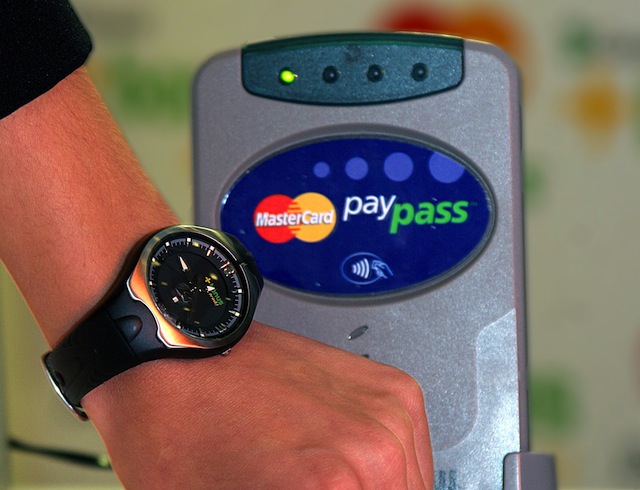
    It’s too early to say the banks, or the telcos, have lost the market but players like PayPal, Google with their wallet service and possibly even Apple – should a Near Field Communication (NFC) equipped iPhone appear in the near future – are going to make the mobile payment sector far more interesting and competitive.

    For businesses, we need to keep a close eye on the mobile payments market as it is promising to offer a lot more options in banking and transactions that what we’ve been used to in recent years. The days of 6% merchant fees are well and truly over.

    Similar posts:

  • Choosing a mobile phone plan

    What’s your budget?

    This is the most important point. What can you afford?

    Be careful though as plans can be deceptive with a number of traps.

    Understand your usage

    Have a read of your bill and understand how you use your phone. Total up the number of calls you make and who make them to. Many providers allow you to download an electronic copy of your bill which you can then analyse your bill with.

    If you do that, look at the total number of calls you make each month and the average time of those calls. You’ll find this is important as various plans have different billing periods and flagfall requirements.

    Call rates

    This is one of the trickiest areas to deal with on phone plans. Keep in mind each plan has unique tricks like minimum charges and flagfalls. So one provider offering 50c per 30 seconds call with a 35c connection fee may be cheaper for many of your calls than a provider offering 90c per 60 seconds with a 40c connection fee. This is why it’s important to check the average call costs.

    Friends deals

    Many providers have plans where calls between people on the same network are free, or you can nominate friends for a discount rate. If there’s a small group of friends you call a lot, it’s worthwhile looking to see if you can save money that way.

    Don’t ignore data

    In the age of the smartphone, data is now a major revenue generator for mobile phone companies. Have a close look at your data usage and keep in mind everytime you check your email, look up a bus timetable or find a restaurant you’ll be downloading data. This can add up and if you are going to be a regular user of online services you shouldn’t choose a plan with less than 1Gb download.

    Coverage

    It’s important to remember that the phone and the plan are pointless if you can’t get a signal. Check with the store before buying that your home and work can get a reliable connection. Also, if you’re going to be on the road a lot you’ll need to choose the provider who covers those areas well.

    The best way of finding out is to ask your friends and colleagues how they find their connections. They’ll have the best feedback on which providers have the most reliable service.

    Roaming

    If you travel overseas you’ll find international charges can be a killer, so check carefully what you’re up for when you’re travelling.

    Locked phones

    When entering a plan, you may find the “free” handset included is locked to the network you’ve signed up to. If you want to “unlock” it, there’s usually a fee of several hundred dollars to release your phone from captivity.

    Watch your bills

    The danger period when entering a new plan is the first few bills. This is when any hidden traps can bite you. Check those first couple of bills carefully to make sure there are no surprises.

    If you find any bill shocks, take a deep breath and call your provider. Should it turn out the plan doesn’t cover something, the phone companies will usually move you to the next plan up that will keep you within your budget.

    Mobile phone plans

    Similar posts:

    • No Related Posts
  • Riding the hype cycle

    Riding the hype cycle

    Despite the Google Phone only existing in a couple of photographs, the device is making headlines as the new “iPhone killer” and there’s no doubt early adopters are asking “should I wait for this new phone?”

    It’s a tough life on the bleeding edge – the life of an early technology adopter features long days breathlessly waiting for the next hyped up product with short periods of extreme disappointment when the latest uber toy fails to live up to the marketing promise.

    To explain how hype works in the tech sector, the consultants at Gartner invented the Hype Cycle.  The cycle explains how a typical product is released in a wave of publicity that drives it to the “peak of inflated expectations”.

    Eventually the bubble pops and the widget plunges into the “trough of disillusionment” where users either abandon it or suffer the taunts of their friends and workmates.

    Over time, those persistent fans find what the widget does well and it begins to crawl up the “slope of enlightenment” as the believers convince others the product really is good for something.

    When enough people accept the widget as the best tool for a certain job it settles on the “plateau of productivity” where it happily sits until a better mousetrap comes along.

    In reality some widgets move faster than others and not all make it over the peaks and plateaus. A look at the 2009 cycle shows some products that have taken a decade to approach the peak of inflated expectations while others have simply been abandoned by their makers or the market before they’ve completed the journey.

    For business owners, most focus on the tools that have reached the plateau of acceptance. This is partly because wasting time on a new device that doesn’t do what it’s supposed to squanders an entrepreneur’s scarcest asset.

    The other main reason for avoiding hyped products is they carry risk and most business owners have enough risk in their lives to satisfy even the most adventurous tech warrior.

    None of that means we shouldn’t be looking at new gadgets and ideas – the world is moving fast and those who don’t adopt new technologies and concepts will be left behind. But just be a bit careful of the hype and unrealistic expectations of what the latest new thing can do for you.

    Similar posts:

    • No Related Posts
  • More bundled laptops

    Further to Saturday’s post, I’m researching my story on wireless Broadband for tomorrow’s Smart Company column and I find Telstra are still offering the $0 laptop.

    I thought it had been dropped. It’s amazing this offer gets no mention at all.

    Gee it’s hard to make sense of Telstra’s website.

    Similar posts:

    • No Related Posts