Tag: android

  • Google’s grab for the smartphone market

    Google’s grab for the smartphone market

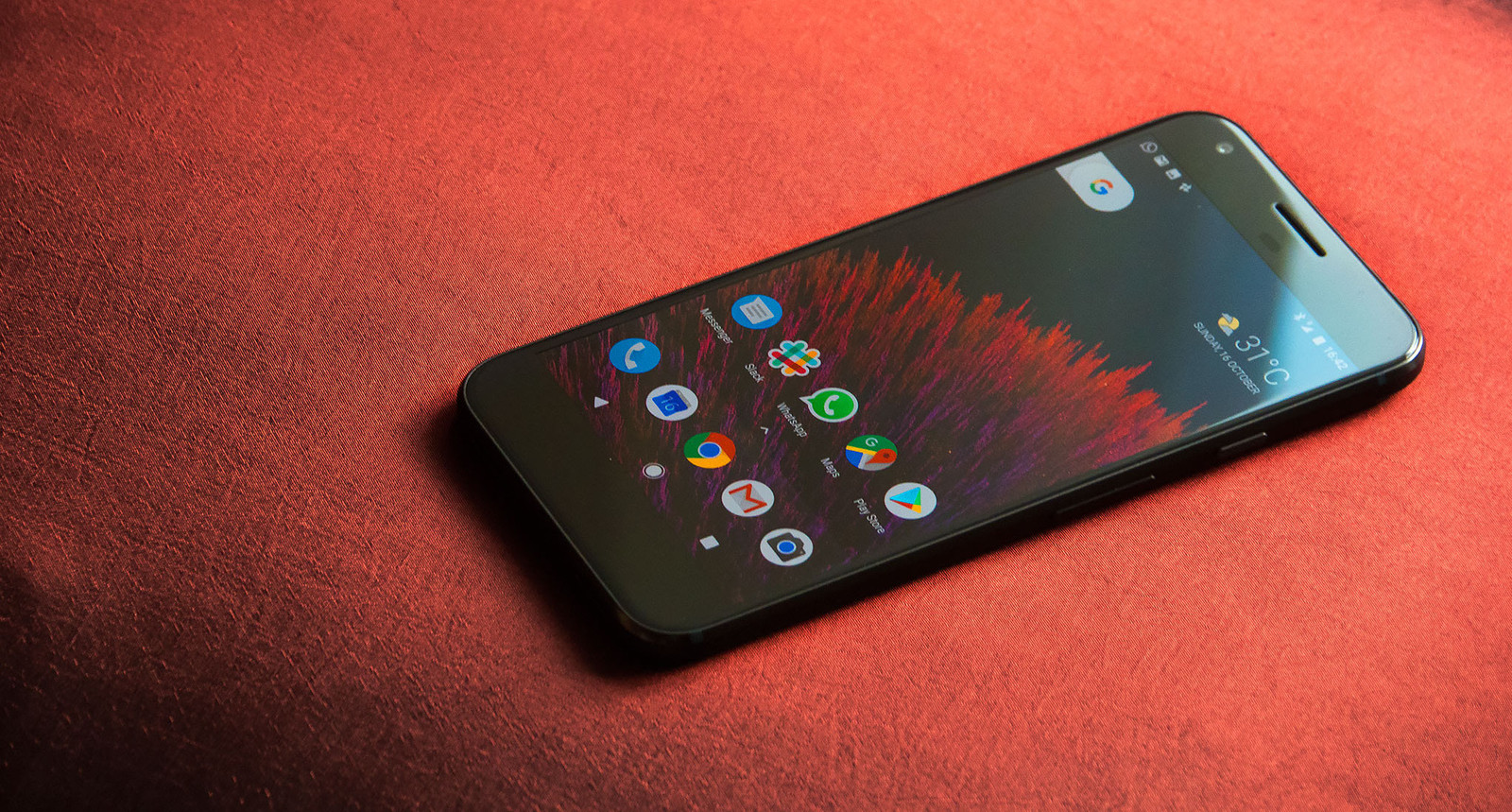
    This week Google released its latest smartphone, the Pixel, to mixed reviews. Controlling the most popular mobile operating system, Android, isn’t enough for the company.

    As Microsoft found, just supplying the operating systems for smartphones isn’t enough to influence the market. Apple, along with Nokia and Blackberry before them, showed that the path to both controlling the segment and being profitable relies on having devices designed for their software.

    Given the Pixel’s price point, it’s unclear how well it will do against the iPhone, Samsung’s models or the plethora of Chinese devices but for all the Android ecosystem’s players, having its controlling owner running in opposition to them can’t be comforting.

    Again though Microsoft’s experience is instructive, and encouraging, for the broader Android community as Microsoft’s attempts to push out Windows CE devices failed dismally. For Google to be successful where Microsoft failed would require a degree of corporate discipline the search engine giant is not renown for.

    In the Windows ecosystem, Microsoft strength was licensing and controlling access to the operating system. Android’s strength in the smartphone world is that Google doesn’t have the same veto power. To be able to exercise control over the market, Google needs a big device share.

    Ultimately though the success of the Google Pixel smartphone will depend on how many users will adopt it. It may be time for another round of smartphone subsidy wars.
     

    Similar posts:

    • No Related Posts
  • Samsung needs a win with the Galaxy 6 smartphone

    Samsung needs a win with the Galaxy 6 smartphone

    Having seen its dominance of the smartphone market eroded by a resurgent Apple and a range of upstart Chinese vendors, Samsung has announced it will launch its Galaxy 6 smartphone on March 1 reports the Sammobile website.

    The new phone is reported to boast a curved screen measuring somewhere between 5.1 and 5.3-inches a fingerprint sensor and a 20 mega-pixel camera, which compares well to the iPhone 6’s eight mega-pixel camera.

    While the proposed specs are impressive, the company has a challenge ahead as consulting firm IDC reported its smartphone shipments dropped 11% year on year last quarter in an market that grew by quarter.

    Top Five Smartphone Vendors, Shipments, Market Share and Year-Over-Year Growth, Q4 2014 Preliminary Data (Units in Millions)  source IDC Research

    Vendor

    4Q14 Shipment Volumes

    4Q14 Market Share

    4Q13 Shipment Volumes

    4Q13 Market Share

    Year-Over-Year Change

    1. Samsung

    75.1

    20.01%

    84.4

    28.83%

    -11.0%

    2. Apple

    74.5

    19.85%

    51.0

    17.43%

    46.0%

    3. *Lenovo

    24.7

    6.59%

    13.9

    4.75%

    77.9%

    4. Huawei

    23.5

    6.25%

    16.6

    5.66%

    41.7%

    5. Xiaomi

    16.6

    4.42%

    5.9

    2.03%

    178.6%

    Others

    160.9

    42.9%

    120.9

    41.31%

    33.1%

    Total

    375.2

    100.0%

    292.7

    100.0%

    28.2%

    *Lenovo + Motorola

    24.7

    6.6%

    19.5

    6.7%

    26.4%

    While the numbers for the Chinese manufacturers are impressive, Apple’s shipments should also worry Samsung given the two companies are fighting for the top end consumers in the European and North America markets.

    For Samsung  its smartphones form a central part of its Internet of Things strategy so the success of the Galaxy 6 is critical to the company’s future plans, particularly given the lukewarm reception to the Tizen based Z1 phone on the Indian market last month.

    Samsung’s China Crisis

    With Samsung struggling with both its high end Android smartphones and its lower priced Tizen devices as Chinese manufacturers like Lenovo, Xiaomi and Huawei steal market share, the company  desperately needs to hit the mark with the Galaxy 6.

    Google as well has a stake in Samsung’s success as the Chinese manufacturers are increasingly turning to open source versions of Android for their smartphone systems. A flagship device for Android to counter the iPhone 6 is desperately needed to keep consumer and developer interest in the Google Play store and for Google’s consumer IoT ambitions.

    The stakes are high for both Google and Samsung, the South Korean giant getting a mis-step with the Galaxy 6 could see it following the faded fortunes of its Japanese competitors.

    Similar posts:

    • No Related Posts
  • Apple looks dangerous in the payment wars

    Apple looks dangerous in the payment wars

    Apple are making great gains in the online payment space but the battle with Google Android, PayPal and the banks to control the market is far from over.

    One of the biggest business struggles this blog has been watching for the last five years is the battle over payment systems as banks, credit card companies, telcos and technologies vendors have jostled for control of what will probably the world’s most lucrative market by the end of the decade.

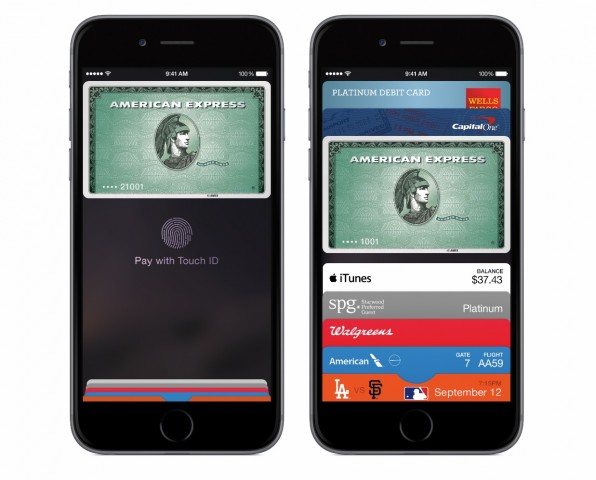
    Apple were late to that fight with their Pay service only being released a few months ago however according to a report by ITG Investment Apple’s service is already ahead of PayPal in terms of usage among new adopters.

    While PayPal have an impressive range of technologies, it’s clear they have found themselves wrong footed by Apple and have new companies like Stripe also challenging their market position.

    Apple Pay may be getting the headlines, but at present Google Android still dominates the mobile commerce industry according to another research company Criteo.

    In their State of Mobile Commerce report, Criteo claims that globally Android is well ahead in smartphone transactions. An interesting aspect of Criteo’s report is how far behind many nations such as Japan, South Korea and Germany the United States is in the take up of mobile commerce.

    Criteo’s report shows the battle to control the e-commerce space is far from over, however if Apple Pay can grab a large chunk of the payments market then the company will have a strong hold on key part of global industry. It remains a high stakes and uncertain battle.

    Similar posts:

    • No Related Posts
  • Potentially unwanted applications – what are we are installing on our smartphones?

    Potentially unwanted applications – what are we are installing on our smartphones?

    One of the notable things about the technology industries is there are always new terms and concepts to discover.

    During a visit to Sophos’ Oxford headquarters last month, the phrase ‘Potentially Unwanted Applications’ – or PUAs – raised its head.

    PUAs come from the problem application developers have in making money out of apps or websites. The culture of free or cheap is so ingrained online that it’s extremely hard to make a living out of writing software.

    As result, developers and their employers are engaging in some cunning tricks to get customers to download their apps and then to monetize them, particularly in the Android world which lacks the tight control Apple exercises over the iOS App Store.

    “What’s interesting about Android,” says Sophos Labs’ Vice President President Simon Reed, “is it’s attracting aggressive commercialisation.”

    The fascinating thing Reed finds about this ‘aggressive commercialisation’ is where the distinction lies between malware and monetisation and when does an app or developer cross that line.

    Reed’s colleagues Vanja Svajcer & Sean McDonald explore where that line lies in a paper titled Classifying PUAs in the Mobile Environment which they submitted to the Virus Bulletin Conference last October.

    In that paper Svajcer and McDonald discuss how these applications have developed, the motivations behind them and the challenge for anti virus companies like Sophos and Kaspersky in categorising and dealing with them.

    The authors also flag that while the bulk of the revenue generated by these apps comes from advertising, there are serious privacy risks for users as developers try to monetize the data many of these packages scrape from the phones they’re installed on.

    Svajcer and McDonald do note though that potentially unwanted applications aren’t really anything new, we could well classify many of the drive by downloads that plagued Windows 98 users at the beginning of the century as being PUAs.

    What we do need to keep in mind though that what is driving the development of PUAs is users’ reluctance to pay for apps and that it’s going to take a big change in customer attitudes for this problem to go away.

    For businesses, this is something managers are going to have to consider as they move their line of business applications onto mobile devices, as Marc Benioff proposed at the recent Dreamforce conference.

    Sophos’ Simon Reed believes potentially unwanted apps won’t be such a problem in the workplace however. “Consumers may have a different tolerance towards PUAs than commercial organisations,” he says.

    The prevalence of PUAs on mobile devices does underscore though just how careful organisations have to be with who and what can access their data. It’s another challenge for CIOs.

    Similar posts:

    • No Related Posts
  • Samsung’s place in the market

    Samsung’s place in the market

    Samsung’s announcement of a 7 billion dollar quarterly profit yesterday tops off a big 2012 for the Korean electronic manufacturer in which they became the world’s biggest mobile phone manufacturer after overtaking Nokia’s sales.

    Android phones have been the great success for Samsung as other providers, including Google, have been comparatively slow to offer devices which give telcos the opportunity to claw back some margins they’ve been giving away to Apple over the last few year.

    Despite these successes Samsung have a number of challenges ahead in 2013.

    The biggest challenge is channel conflict with Google and Motorola working on launching an X-Phone which they hope will compete against both the iPhone and Samsung products

    Channel conflict was always going to be a problem for handset manufacturers using the Android operating system when Google bought Motorola Mobility and now we’re seeing the effects of this.

    The Koreans aren’t taking Google’s threat lying down having joined with Japanese manufacturers in a joint venture to develop a Linux based operating system for smartphones and Samsung expects to release Tizen equipped phones later in 2013.

    Just on its own, the conflict with Google would be a problem for Samsung but the ongoing fights with Apple over tablet and smartphone patents continues to be a management distraction as well.

    Apple’s relationship with the Korean conglomerate is a classic case of co-dependency as Samsung supply the bulk of the processors used in the iPad and iPhone. While Apple may want to kill the Samsung Galaxy tablet range, they have to be careful about going too far with a key supplier.

    On the Asymco blog wonders if Apple’s announcement to bring some manufacturing back to the US may be part of a strategy to deal with the company’s dependence upon Samsung.

    With threats from ‘frenemies’ like Apple and Google one of best defenses Samsung has is the companies varied range of products along with its willingness to strike out on its own into customers’ markets.

    At the Computer Electronics Show in Las Vegas, Samsung showed off its range of OLED TVs, laptops and other equipment alongside smartphones. That breadth of product frees the company from being locked into one or two markets.

    Of course the best example of such an electronics conglomerate in the past was Japan’s Sony which is now truly lost and wandering in the business wilderness.

    Whether Samsung can avoid Sony’s mistakes will be worth watching over the next few years, for Apple and Google it may determine who is the biggest competitor in the 2020s.

    Similar posts: