Tag: apple

  • A monument to a modern pharaoh: Links of the week

    A monument to a modern pharaoh: Links of the week

    Starting a new job makes keeping the website up to date difficult but it is possible to get some reading done. Some of this week’s highlights included the auto industry’s changing business model, inside Microsoft’s Vista mistake and Apple’s memorial to a modern pharaoh.

    A monument to a modern pharaoh

    Apple Park is an anachronism wrapped in glass, tucked into a neighborhood says Wired’s Adam Rodgers. However his main point is Apple’s new five billion dollar new headquarters is really just a memorial to Steve Jobs and his ego.

    Dissecting a dying business model

    The car industry is one sector in a perfect storm of disruption and Australia’s General Motors Holden is slashing its dealer network to deal with declining demand and technological change.

    Notably in the story is what happens to the dealers when their contract with GMH is cut with the franchisees having to hand over tools, signage and manuals. It shows just how the corporation controlled its franchisees.

    Where Vista went wrong

    This blog has long maintained that Microsoft’s release of the Vista operating system was not only the biggest mistake the company ever made but also gave an opening for Apple, Google and Amazon to seize the computer market.

    So a post from developer Terry Crowley a former Microsoft developer is an insight into how the process went wrong. His view on internal cultures for companies facing market disruption is telling.

    “In fact, the more power you hold, the more accountable you need to be to open yourself to honest challenge on either facts or logic. This is even more critical in times of rapid change because the facts and consequential logic might change. Accountability and transparency means you are able to reassess your conclusions and react quickly.”

    The Life and times of Jerry Brown

    An excellent interview between US political commentator David Axelrod and California governor Jerry Brown ranges over topics from Ronald Reagan’s rise, today’s hostility to government and his Asian travels while in the political wilderness. It’s worth a listen.
    Similar posts:

    • No Related Posts
  • Ditching the old tech – Lessons for the iPhone from the Apple iMac

    Ditching the old tech – Lessons for the iPhone from the Apple iMac

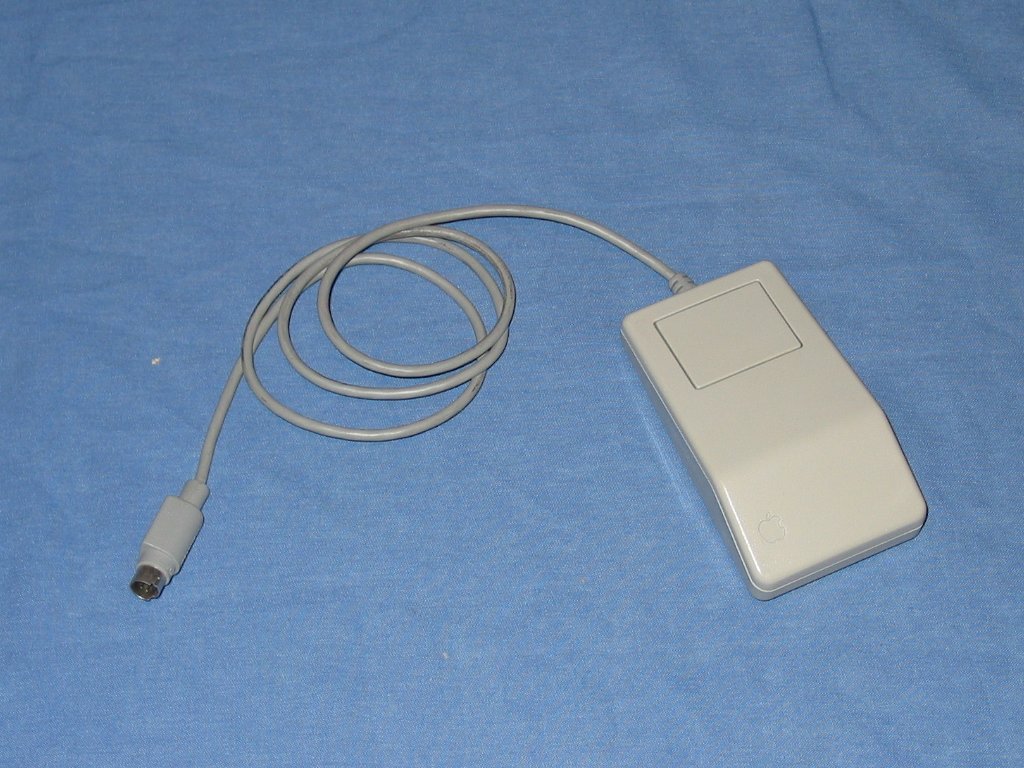
    “I’ve been betrayed, I’ll never buy another Apple product again!” was the cry in 1998 when the company announced their new range of iMacs and portables wouldn’t support the long standing Apple Development Bus (ADB) system and floppy disks.

    At the time Apple had been in decline, only the year before Microsoft had bailed the company out with a few conditions that had deeply irritated the company’s loyal customer base.

    Many of those customers – mainly in education and graphic design – had invested deeply in ADB compatible equipment and their irritation at abandoning that investment for USB based kit was understandable.

    Today we’re seeing similar protests about the rumoured dropping headphone jacks from the upcoming Apple 7 device, customers aren’t happy about the possibility being forced from a well established standard to a less reliable and likely more expensive system.

    Unlike the computer world of 1998 today’s marketplace is very different, Apple is no longer a quirky and niche product but the most profitable of the tech industry’s giants – as Microsoft was back when Steve Jobs swallowed his pride and accepted Bill Gates’ bailout.

    However most of Apple’s profits come from one product line, the iPhone. While the iPhone is probably the only truly consistently profitable smartphone, it competes in a fiercely fought for consumer market.

    Already in China, one of the company’s most profitable markets, the iPhone’s market share is falling in the face of good quality but slightly cheaper Chinese and Korean devices.

    Should Apple push those consumers too far by shifting the iPhone to a more expensive or proprietary system then the competing Android devices may well pick up market share and dent Apple’s fat profits.

    However history shows that these hardware shifts do happen and older technologies are supplanted by more expensive, but better, inventions regardless of how much users have spent on the status quo. A century ago the automobile started replacing a millenia of investment in horse drawn technologies.

    In the case of Apple abandoning the ADB back in 1998, it was the spur to adopt the USB standard which up until then had been buggy and unwanted as Bill Gates himself had found.

    As history shows, Apple thrived after ditching the old technology despite the complaints at the time and if the company resists the temptation to lock users into a proprietary system there is no reason to think the same can’t happen again.

    Apple mouse (with ADB connector) courtesy of Wikipedia

    Similar posts:

    • No Related Posts
  • Smartphones become a mature market

    Smartphones become a mature market

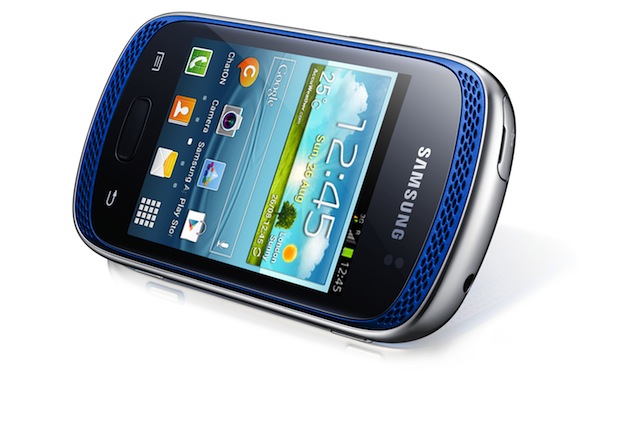
    As Apple celebrates shipping a billion iPhones, the smartphone industry has entered maturity reports IDC.

    The analyst firm’s latest survey of the global smartphone industry reports only 0.3% growth over the equivalent period of last year.

    While both Apple and Samsung have had successes over the past year with new models, IDC believes growth now lies in shifting ‘flagship products’ at lower price points with enhanced features.

    A more mature industry opens opportunities for the cheaper Chinese brands and IDC is finding those companies are unsurprisingly proving successful in emerging markets. For the established brands redefining their price points and models is going to be the challenge.

    That mature marketplace is going to focus the minds of product managers, marketers and executives at all the manufacturers as capturing profit and investors’ imaginations in a mature market is very different to that when selling a new, high growth product.

    Similar posts:

    • No Related Posts
  • Lenovo and the hunt for profitable smartphone markets

    Lenovo and the hunt for profitable smartphone markets

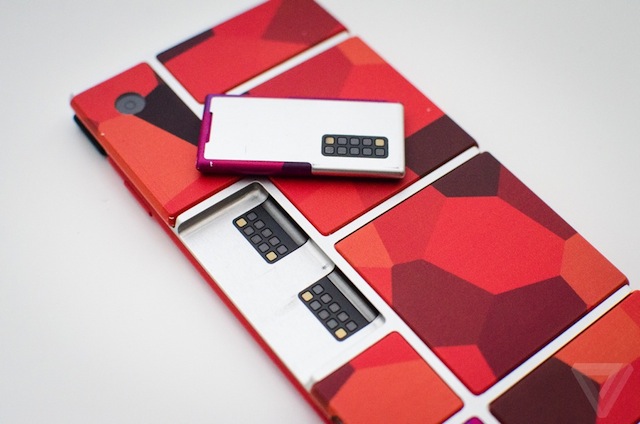
    With Google’s Project Ara seemingly stalled, it was interesting to see Lenovo announce the Moto Z modular phone this week.

    The question remains though whether this concept is a solution looking for a problem however if Lenovo open the device up to third party accessory makers, we could see a surge of innovation similar to the ‘plug compatible’ IBM days which may drive consumer interest.

    Lenovo is still struggling to find its feet in the mobile phone market, so finding a compelling product to drive sales and improve margins in a largely unprofitable industry is a priority.

    It may be the other smartphone announced by Lenovo in San Francisco, the clumsily named Phab 2 Pro, could be where the manufacturer finds its niche with Google’s Project Tango 3D sensing technologies.

    The Phab 2 Pro’s 3D capability may be the beginning of accessible virtual and augmented reality systems however hands on reviews of the device indicate it may be some way from being ready for public release.

    Lenovo’s announcements show how the smartphone markets is currently in a state of transition as vendors try to find the next new profit and growth centres. To complicate matters, all the Android manufacturers are waiting to see what Apple’s next move will be.


    Similar posts:

    • No Related Posts
  • ABC Nightlife – Virtual Reality and Apple encryption

    ABC Nightlife – Virtual Reality and Apple encryption

    Pundits are saying 2016 will be the year Virtual Reality comes to the home, with Silicon Valley investors pouring money into the technology, the long awaited Oculus Rift due to be released this year and the heavily hyped Meta launching soon.

    If you missed the show, you can hear it podcast through the Nightlife website.

    Tonight on ABC Nightlife we’ll look at what VR, and its cousin Augmented Reality, are and what they mean to us ordinary people.  Some of the questions we’ll be looking at include;
    • Exactly what are Augmented and Virtual Reality?
    • Why all the hype now?
    • Why are investors putting so much money into the space?
    • Apart from games what can this tech be used for?
    • Do you always have to wear the funny glasses?
    • Does the headsets always need to be connected to a computer?
    • What are the devices and brands we should be watching out for?
    • Is it likely consumers will be able to afford this technology in the near future?
    • Will 2016 really be the year of virtual or augmented reality?

    If we get time, we’ll also look at Apple’s fight with the FBI over encryption (security researcher Troy Hunt has an excellent run down of the issues at stake) and what happens if you change the date on your iPhone to 1970.

    Join us

    Tune in on your local ABC radio station from 10pm Australian Eastern Summer time or listen online at www.abc.net.au/nightlife.

    We’d love to hear your views so join the conversation with your on-air questions, ideas or comments; phone in on 1300 800 222 within Australia or +61 2 8333 1000 from outside Australia.

    You can SMS Nightlife’s talkback on 19922702, or through twitter to @paulwallbank using the #abcnightlife hashtag or visit the Nightlife Facebook page.

    Similar posts:

    • No Related Posts