Tag: Australia

  • Are Australians too risk adverse for startups?

    Are Australians too risk adverse for startups?

    Last week I had coffee with Clive Mayhew who chairs the board of Sky Software, a Geelong based student management cloud service.

    Clive covered a lot of interesting aspects about Sky’s business; including the opportunities for regional startups, government support and his experiences in Silicon Valley during the dot com boom. All of which I’ll write up in more detail soon.

    One notable point Clive raised was how he struggles to get Australian staff to take equity in the business – people want cash, not shares.

    The question Clive raises is why and that question is worth exploring in more depth.

    My feeling is that it’s a cultural thing related to property – four generations of Australians have been bought up believing housing is the safest way and surest way to build wealth.

    As a consequence young Australians are steered into getting a ‘safe’ job and plunging as much money into accumulating property equity as early as possible. Just as mum and granddad did.

    Even those who don’t want to play the property game are affected as property speculation pushes up prices and rents; the landlord or bank won’t accept startup stock to pay the bills so employees need cold, hard cash to keep a roof over their heads.

    The other angle is tax and social security policies, through the 1970s and 80s various business figures used share option schemes to minimise their taxes and successive Australian governments have passed laws making it harder for businesses to offer these incentives.

    Interestingly this not only affects the Silicon Valley tech startup business model but also hurts the aspirations of Australia’s political classes to establish the country, or at least Sydney, as a global financial centre.

    Putting aside the fantasies of Australia’s suburban apparatchiks – which if successful would see the country being more like Iceland or Cyprus than Wall Street or the City Of London – it’s clear that the existing government and community attitudes toward risk are reducing the diversity of the nation’s economy.

    That the bulk of the nation’s mining and agricultural investment, let along startup funds, comes from offshore despite the trillion dollars in compulsory domestic superannuation savings is a stark example of risk aversion at all levels of Aussie society, government and business.

    For those Australian entrepreneurs prepared to take risks, the risk adverse nature of most people becomes an opportunity as it means there’s local markets which aren’t being filled.

    The problem for those local entrepreneurs is accessing capital and that remains the biggest barrier for all small Australian businesses.

    How this works out in the next few decades will be interesting, it’s hard not to think though that Australians are going to have to be weaned off their property addiction – whether this takes a harsh recession, retired baby boomers selling down their holdings or government action remains to be seen.

    In the meantime, don’t base your business plan on staff taking equity as part of their employment package.
    Similar posts:

  • A question of relevance – why the PM welcomes bloggers

    A question of relevance – why the PM welcomes bloggers

    The Prime Minister’s courting of bloggers in the run up to the Australian Federal election later this year shows how credibility and relevance are most important assets for any media outlet.

    Late last year the Prime Minister invited bloggers to Kirribilli House for lunch then to dinner during her Rooty Hill adventure a few weeks ago.

    The press gallery grumbled and wrote patronising articles about North Shore mummy bloggers but failed to recognise the real threat to the established media outlets – these writers are more relevant to people’s lives than the machinations of ‘anonymous political sources’, sports stars or Hollywood celebrities.

    Now the Prime Minister is giving one on one exclusive interviews to some of those bloggers, something that will irritate the nation’s political journalists even further.

    Old media’s loss of relevance

    The press galleries’ problem though is relevance, which lies at the heart of any successful media outlet.

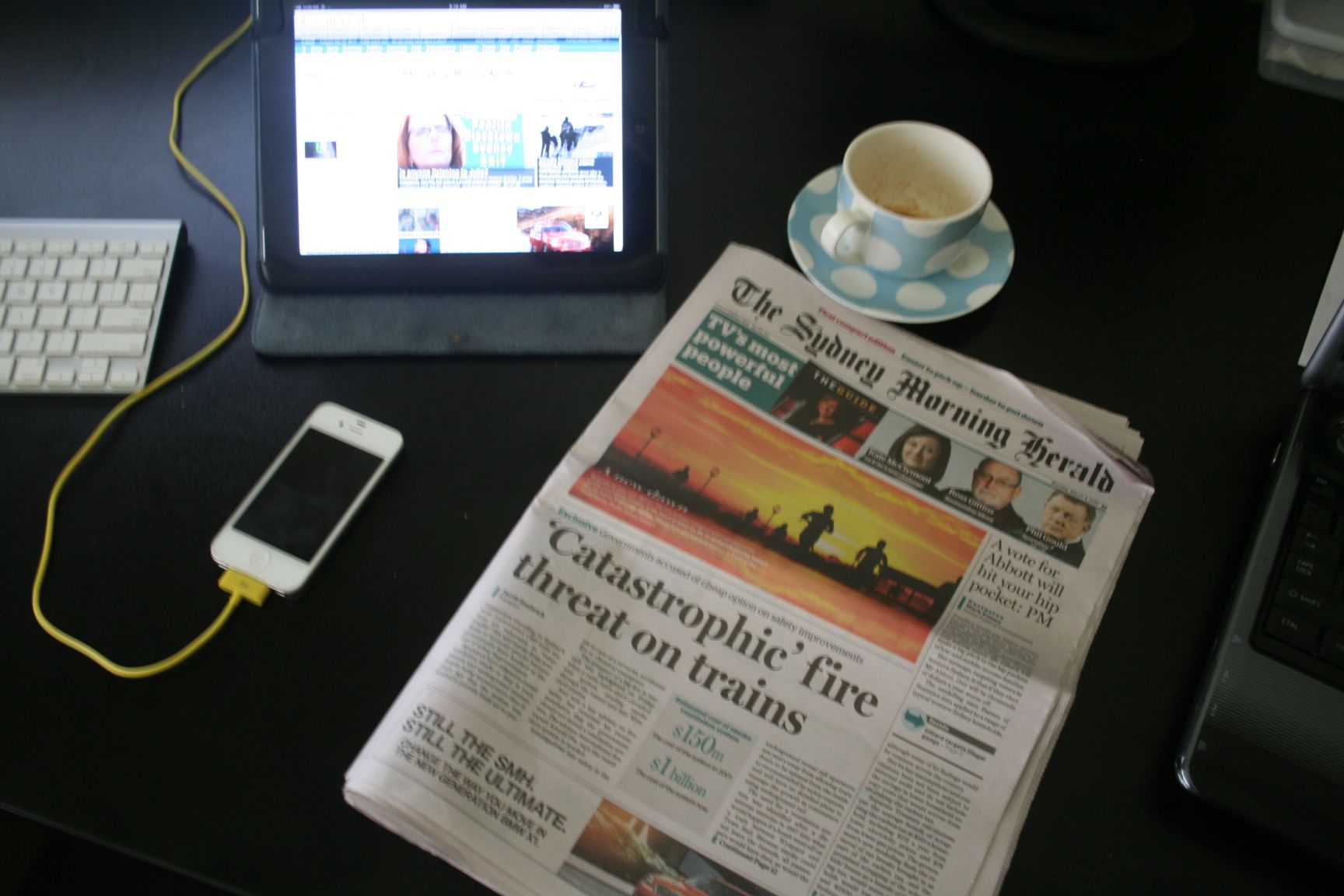
    In 1831 when The Sydney Herald’s first edition was published, the front page was made up of advertisements and shipping notices as it was with all newspapers of the time.

    That was relevant to the readers, they paid 7d – not an insubstantial amount in 1831 – to find out the latest in shipping movements, real estate sales and livestock prices which were essential to life and business in the colony.

    It wasn’t until 1944 that the now Sydney Morning Herald moved news to the front page, the London Times held out until 1966. What was now relevant to readers were photos and wire stories from around the world.

    Papers continued to do well despite the introduction of radio in the 1930s and TV in the 1950s because they were continued to be relevant to their readers. If you were looking a job, a house or where to take your mum for her 60th birthday then the local newspaper was the place to look.

    The shift to sensationalism

    In the 1980s all the media – newspapers, TV and radio stations – started a shift to sensationalism and infotainment and steadily all became less relevant to the populations they served.

    At the time media outlets got away with it as there was no-where else for people to get news. If you didn’t like stories about Princess Di’s wedding dress then you had to curl up in the corner with a good book.

    Then the web came along.

    All of a sudden engaged readers could get relevant information from all over the world.

    With social media and blogs, reporting Kim Kardishian’s latest wardrobe malfunction raised a ‘so what’ from an audience that learned about it two days ago on TMZ, the Huffington Post or Facebook.

    Making matters much, much worse were the advertising rivers of gold moved to specialist websites and Google.

    Newspaper executives found their revenues were evaporating and they worked their way deeper into the quicksand by cutting costs in the areas where their editorial strengths lay, making them even less relevant to the readerships they want to serve.

    Relevant lifestyles

    Today the mummy bloggers – along with the food bloggers, travel bloggers and political bloggers – are attracting  audiences with relevant, useful content that the audience can engage with.

    Last week’s embarrassing circus in Canberra was an example of how irrelevant the media, and much of politics, has become to the average Australian.

    Indeed it’s interesting to contrast the self important Canberra press gallery pushing non-stories while fawning over their discredited ‘anonymous party sources’ with the genuinely questioning tone of the some of the bloggers.

    So the mainstream, established media can kiss the mummy bloggers’ backsides; if they can’t find relevance in today’s society then they may as well shut up shop.

    For politicians relevance is important too – political parties that pitch themselves to 19th Century class struggles or 1980s corporatist ideologies are as irrelevant to today’s society as the Soviet Communist Party.

    It would serve the Prime Minister and her staff well to listen closely to what the mummy bloggers and their readers are saying.

    Similar posts:

  • Privileges and princelings

    Privileges and princelings

    A strange thing about Australian business reporting is that its often full of gossip and name dropping as any third rate scandal magazine.

    In a perverse way, treating business executives like the Kardashians gives the average mug punter – and shareholders – a glimpse into how these companies do business. Like this story in the Australian Financial Review;

    Hamish Tyrwhitt was unaware of the latest drama unfolding within the Leighton board as he relaxed in the Qantas First Class Lounge in Sydney on Friday morning.

    Indeed, the contractor’s chief executive officer was busy chatting to former Wallabies captain John Eales while waiting to board a flight to Hong Kong where he was due to close a recent deal to build the Wynn Cotai hotel resort in Macau and enjoy the Sevens rugby tournament.

    The timing was not good. Tyrwhitt had only just boarded the flight when the news broke that chairman Stephen Johns and two directors had resigned. Tyrwhitt was forced to change his plans and is expected back in Sydney for a board meeting convened this weekend.

    Nice work if you can get it.

    A few pages further in the day’s AFR is another gem;

    One July evening about four years ago, off the south coast of France between Cannes and St Tropez, two men sat in the jacuzzi on the top deck of a 116-foot Azimut motor yacht. It was about 3am and the sea was rough. The spa water was sloshing about and had given the latest round of caprioskas a distinctly bitter taste.

    Dodo boss Larry Kestelman was telling his good friend, M2 Telecommunications founder Vaughan Bowen, about the challenges of growing his internet service provider business.

    It’s tough doing business when the spa waters are choppy. One expects better from a seven million dollar boat.

    That second article raises another point that’s often overlooked, or unmentioned, when reporting Australian business matters.

    on Thursday the 14th, something unexpected happened. At 12.30pm, after no activity all morning, shares in the thinly traded Eftel started to rise sharply. By the time the market closed at 4pm, Eftel had soared 44 per cent to 39.5¢. Someone with knowledge of the deal was insider trading.

    Insider trading? On the Australian Security Exchange? Somebody had better call those super-efficient regulators who were responsible for Australia cruising through the global economic crisis of 2008.

    Somebody obviously wanted their own 116ft luxury yacht or corporate box at the Hong Kong Sevens.

    Both of these stories illustrate the hubris and privileges of corporate Australia and its regulators.

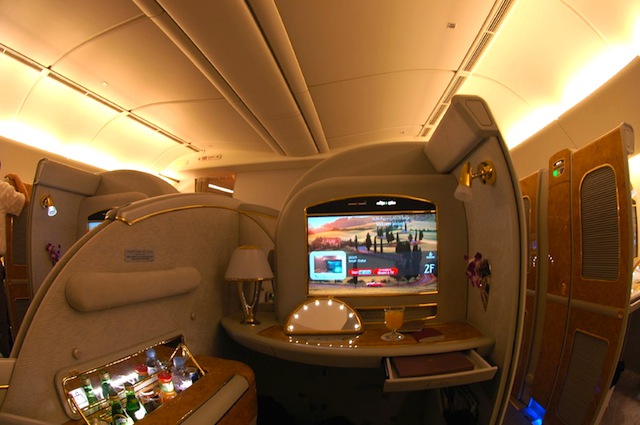
    One wonders how well equipped these organisations are for an economic reversal when their leaders are more worried about caprioskas and their spots in the first class lounge.

    We may yet find out.

    First class airline seat images courtesy of Pyonko on Flickr and Wikimedia.

    Similar posts:

  • Travel review – Mt Warning Rainforest Park

    Travel review – Mt Warning Rainforest Park

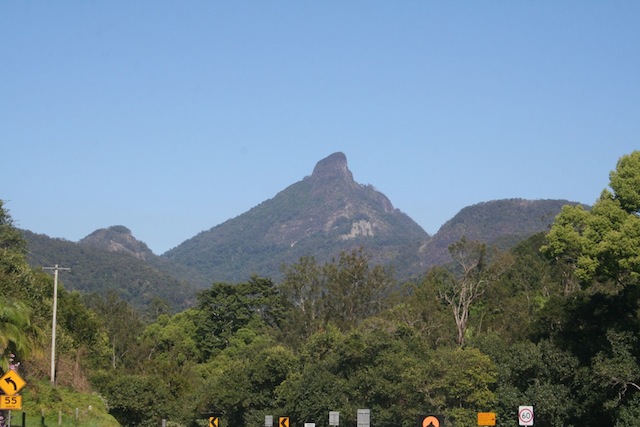
    Nestled in the caldera of a long extinct volcano on the New South Wales – Queensland state border, Mt Warning is one of the spectacular and quirky geographic features of Australia’s East Coast which boasts being the first place on the continent to see the sunrise*.

    Climbing Mount Warning is doable as a day trip from the Gold Coast, Byron Bay or even Brisbane but to get the best experience staying a few nights in the surrounding rainforests is a good idea, particularly in warmer weather when it’s not a good idea to climb mountains in the middle of the day.

    Mount Warning Rainforest Park is a private campsite on the road to the mountain offering cabins, powered caravan sites and unpowered campsites.

    Camping sites


    Mount warning rainforest resort unpowered tent camping site
    Unpowered camping sites

    We stayed in an unpowered camping site during the September school holidays. Despite it being a busy period, there was plenty of space available and each site had its own campfire. It’s up to you to get the wood.

    The sites are comfortable and the ground isn’t too hard for tent pegs. Be warned that it can get cold at night depending on the season.

    beware fo snakes at mount warning resort camp site
    Beware of snakes!

    As the site is in a rainforest, be prepared to meet some of the locals. There’s no shortage of brush turkeys, snakes, lizards and frogs around the grounds so tread carefully at night and don’t leave food lying around.

    There are some less desirable locals as well and while the campsite does seem safe, the Mt Warning carpark does have a reputation for thieves. So keep valuables locked away and out of site.

    Amenities

    There’s plenty of powerpoints and free gas stoves at the camp kitchen, so there’s no problem with charging devices and cooking dinner.

    Mount warning rainforest camp kitchen camping site
    The campsite kitchen with powerpoints.

    Some large, ex-commercial fridges are available for residents to store food. Make sure you mark what’s yours and hide anything like chocolates, wine or beer as any communal storage is going to see those things walk.

    The camping area toilet blocks are clean and pretty well maintained, although the hot water controls for the showers can be difficult to figure out.

    Be prepared for a cold shower until you manage to get the buttons working. The buttons are also outside the shower cubicles so try and grab the stall closest to the controls so you can lean out and press them mid-wash.

    Mount Warning Resort Games Room and Swimming Pool
    Swimming pool and games room

    Should the weather turn bad – the area is a rainforest – there is a games room has some basic arcade games ($2 a time), pool table and TV for shelter. Outside is a small, well-maintained swimming pool that’s handy for cooling off in the warmer weather.

    mount-warning-rainforest-resort-office-and-wifi-hotspot

    It’s safe to say the wi-fi hotspot has become the modern campfire.

    Outside the site’s reception is comfortable porch which has seats, coffee tables and free wi-fi. You can expect to find guests on their laptops and iPads at all hours checking email and Facebook posts. There’s also a couple of handy power outlets.

    Mobile phone coverage is patchy in the district so don’t expect reliable phone communications or fast mobile data. The site has a Telstra payphone that’s accessible at all times.

    Service

    The site is family run and service is homely, the office isn’t always occupied so it’s sometime necessary to rouse some office help.

    One of the missed opportunities is catering to the gathering of people accessing the wi-fi hotspot, offering drinks and snacks past the office’s 6 o’clock closing time would be nice.

    Provisions

    The office sells basics and snacks but for serious shopping it’s best to call in at Murwillumbah twenty minutes away which has all the major supermarket and shopping chains. There’s also camping supply stores if you’ve lost or forgotten anything.

    Coming in from the West, Kyogle has a small choice of supermarkets while the local village of Uki offers a picturesque pub and general store.

    Attractions

    While climbing the mountain is the main attraction, there’s plenty of other things to see.

    Being Australia’s capital of ‘alternate lifestyles’ there’s no shortage of yoga and healing centres. The hippy capital of Nimbin is picturesque 45 minute drive south.

    The Border Ranges and the Gold Coast Hinterland are also worth exploring in their own right with some spectacular scenery and the campsite makes a good base for explorers.

    Transport

    Like most of rural Australia, there’s little public transport. There is a train service to Kyogle and frequent coaches to Murwillumbah from Brisbane, Sydney and the Gold Coast. A local bus passes the Mt Warning turn off once every weekday and its a fifteen minute walk to the campsite.

    Rock formations on the way to mount warning resort camping park
    Rock sculptures in the creek on the way to Mount Warning

    The best way of getting to Mount Warning is by car, taxi or to hire a bike in Murwillumbah. On the way to the campsite you’ll pass a creek where people have build various sculptures out of the rocks.

    Costs

    The cost for a family of four camping was $50 per night. There’s no extra charge for showers or cooking facilities.

    Overall, the Mount Warning campsite is a good, economical place to stay for those happy to sleep out and enjoy the rainforest.

    *While many say Mount Warning is the first place on the Australian mainland to see the sunrise, in the summer months parts of southern NSW see the sun earlier due to their latitude. If you count all Australian territories, then various small uninhabited rocks along with Lord Howe and Norfolk Islands see the sun first.

    Similar posts:

  • More National Broadband woes

    More National Broadband woes

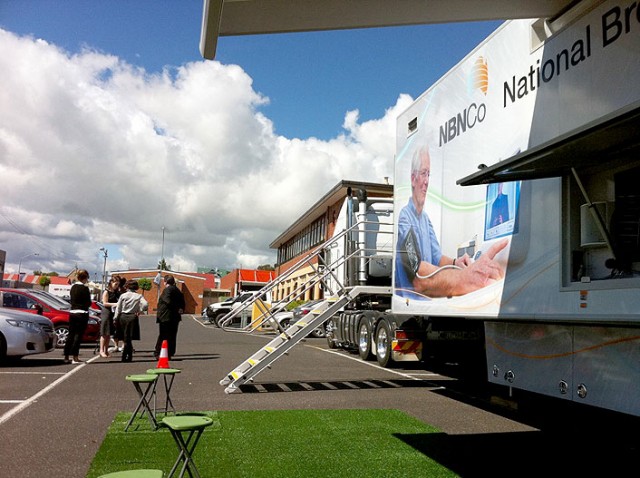
    This is not good for the National Broadband Network project; contractor Service Stream announced it was handing back the Northern Territory rollout contracts to the Australian Security Exchange this morning.

    It raises serious questions about the timetable of the project.

    Service Stream advises that Syntheo, a 50/50 joint venture with Lend Lease, has reached agreement with
    NBN Co to hand back the remainder of its design and construction activities in the Northern Territory. Syntheo is committed to working with NBN Co to complete its work in Western Australia and South Australia.
    Given NBNCo abandoned its construction tender in April 2011 amidst hints of price fixing by contractors, this is a worrying development that indicates those ‘overpriced quotes’ may have been closer to the money after all.
    I’ll be writing something up later today for IT News.

    Similar posts: