Tag: autonomous vehicles

  • Ransomware and innovation – links of the week

    Ransomware and innovation – links of the week

    Last week finished with a big bang as the Wannacry ransomware attack spread around the world with a curious twist which led one New York Times columnist to suggest software companies need to take more responsibility on security.

    In the meantime the world goes on companies still struggling with the definition of innovation and Facebook crushing anyone who dares to try out-innovating them.

    On a lighter note, Cary Grant spend much of his Hollywood years on LSD but it all turned out well and VentureBeat asks do humans have a role in a world run by Artificial Intelligence?

    The future of humans

    Is there a future for humans in a world run by artificial intelligence controlled robots? Venture Beat staged a panel in New Orleans that looks at where we fit into the automated world.

    Ultimately the panel concluded, it’s up to us to make some serious choices. Something we shouldn’t leave to engineers.

    The ethics of driverless cars

    Autonomous vehicles should give priority to occupant over passers by in the case of an emergency suggests a Mercedes Benz engineer.

    Christoph von Hugo, Mercedes’s manager of driver assistance systems, probably hasn’t helped the development of autonomous vehicles with his comments but the ethics of driverless vehicles is a discussion we should be having.

    Defining innovation

    Innovation is very simple, it’s about trying new ideas says Pete Williams, Deloitte Australia’s chief edge officer.

    “You need ideas, they need to be new, new for you. If everyone in the world is doing something and you haven’t done it and you do it for the first time, you’re innovating. You’ve got to try stuff. Not just have new ideas, you’ve got to try stuff. Innovation is something you do,” he said.

    Rethinking public transport

    British transport app Citymapper is to launch its own ‘popup’ bus service in London with the promise of a modern and user friendly operation. An interesting twist for a software service.

    “There will be a large screen that shows riders where they are in real time, and what’s coming up on the route — similar to how its smartphone app works. And they also have USB charging ports.”

    Snapchat feels the market chill

    One the darling unicorns of the tech industry, Snap, reported its first results as a listed company and the results were not good as Facebook’s shameless copying of the service’s features takes its toll.

    Sadly Facebook seems to be following the Amazon playbook of crushing upcoming competitors that refuse to be bought out. This is a part of a broader problem with modern American capitalism.

    What is Wannacry

    Security researcher par excellence, Troy Hunt, gives a full run down on the Wannacry ransomware and how to combat it.

    Towards the end of his article he has a list of eight actions computer users – from major organisations to households can do to protect their systems. Depressingly these are exactly what the computer tech support industry has been telling people to do for the past twenty years.

    Wannacry’s accidental hero

    An anonymous British IT security researcher realised the malware has a ‘kill switch’ – so he activated it. He does have an important message for computer users though.

    “This is not over. The attackers will realise how we stopped it, they’ll change the code and then they’ll start again. Enable windows update, update and then reboot.”

    An age of insecure machines

    One of things that might bring down an AI controlled world is insecure machines as Wannacry shows. In the New York Times technology commentator Zeynep Tufekci suggests we can’t stop the wave of attacks taking advantage of systems running out of date software and vendors need to take responsibility.

    “It is time to consider whether the current regulatory setup, which allows all software vendors to externalize the costs of all defects and problems to their customers with zero liability, needs re-examination.”

    100 trips in tinseltown

    Cary Grant got through his Hollywood years by microdosing on LSD claims a new documentary. When he retired from the movies he quit the speed and lived happily every after.

    Interestingly, microdosing is one of the strategies used by today’s Silicon Valley workers to get by in their stressful and demanding roles. Some things never change.

    Earworm of the week

    Similar posts:

  • Human bullies and autonomous vehicles

    Human bullies and autonomous vehicles

    What happens when drivers encounter autonomous vehicles on the highways?

    Conventional wisdom is the roads will be carnage as logically thinking robots literally collide with irresponsible humans.

    The Chief Executive of Mercedes-Benz America has a different take, it may be that humans quickly learn to bully safety conscious and law abiding autonomous vehicles on the road.

    Speaking at a motoring conference in Las VegasDietmar Exler suggested the immediate future will see aggressive drivers taking advantage of driverless vehicles programmed to avoid collisions and risky situations.

    This raises an interesting question – will autonomous vehicles actually make the roads less safe in the earlier days despite being safer themselves?

    How humans interact with new technologies is never a certain thing, and the idea that people will bully robots is a delicious, and plausible idea. It does raise though some interesting possibilities as robots become common in our lives.

    Similar posts:

    • No Related Posts
  • Attack of the killer drones

    Attack of the killer drones

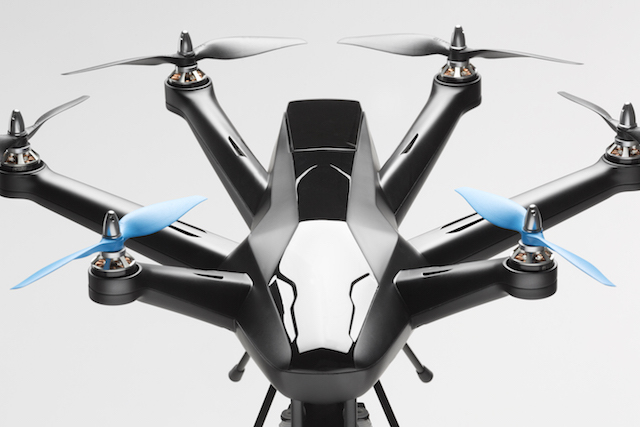
    We’ve heard much about the benefits of fun about drones – remote control aircraft – but what about the security and safety issues of the device. At the Black Hat Security conference today Jeff Melrose of the Yokogawa industrial controls company described the risks posed when bad people use these devices.

    With typical consumer drones having a range of up to five kilometers the idea of an attacker needing to be physically close to their target no longers applies. A drone, as Melrose points out, can  can tailgate workers easier than people and even navigate within offices.

    Fences are no barrier as Melrose showed with a camera equipped drone being able to fly up to valve within a gas field and then read its meter. The drone doesn’t even need to have to make it back, it could be landed on a roof where it quietly record its surroundings for weeks.

    Put more than a camera on a drone, say a wireless packet sniffer or a jamming device and the possibilities for mischief are endless. Melrose illustrated this by starting his presentation with a video of The Killer Drone, a flying chainsaw developed by a pair of Finnish farmers.

    Scarier still, was Melrose demonstration of the ‘target tracking’ technology included on the latest consumer drones by chasing one of his research assistants across a lawn. Despite the assistant’s best efforts to escape, the aircraft was able to follow her.

    Despite the scary aspects of drone spying, vandalism and harassment the devices aren’t invulnerable. The two Finnish farmers had their drone brought down by a balloon and all the risks – from chainsaws to signal jammers – that drones present they themselves are vulnerable to.

    Melrose’s demonstration shows how the physical security world is changing a drones become commonplace. Fences, padlocks and ‘keep out’ signs are not enough to keep today’s generation of technologically savvy trespassers.

    Jeff Melrose’s presentation was a thought provoking view of how the threat landscape is changing and that risks evolve with technology.

    Paul travelled to Las Vegas as a guest of Nuix

    Similar posts:

    • No Related Posts
  • The dangers of hands free driving

    The dangers of hands free driving

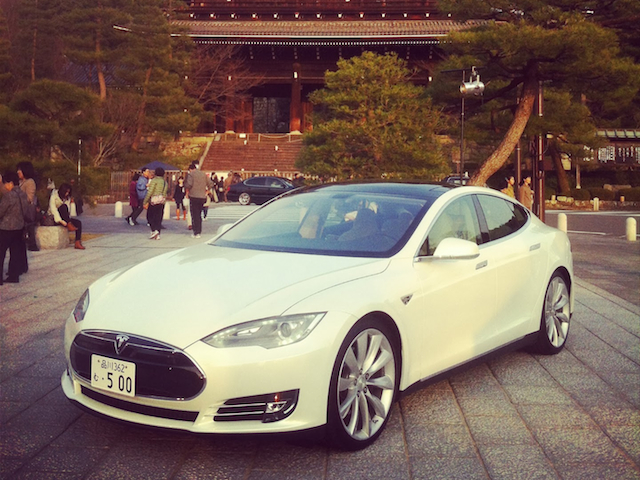
    Last May 7 45-year-old Joshua Brown was killed when his car hit a truck just outside Willston, Florida. His Tesla was operating in ‘autopilot mode’ and he was the first death in a driverless car accident.

    Now the investigation and the speculation into the Mr Brown’s unfortunate demise begin. It’s worth watching to see how the accident will change public perception and government regulation of autonomous vehicles.

    What’s notable is Tesla are careful not to recommend leaving the car to its own devices, as The Verge reports.

    Tesla reiterates that customers are required to agree that the system is in a “public beta phase” before they can use it, and that the system was designed with the expectation that drivers keep their hands on the wheel and that the driver is required to “maintain control and responsibility for your vehicle.” Safety-critical vehicle features rolled out in public betas are new territory for regulators, and rules haven’t been set.

    Another aspect that should concern users and regulators is Tesla’s software industry attitude towards liability and safety in dismissing the car’s flaws as being an unfortunate consequence of imperfect beta software. That may cut it in the world of Microsoft Windows 3.11 but it doesn’t cut it when lives are at stake in the motor industry.

    Similar posts:

    • No Related Posts
  • Introducing Singapore’s driverless pod

    Introducing Singapore’s driverless pod

    A while back we speculated on what the autonomous vehicle would look like, given that having a dashboard, steering wheel and even forward facing seats were no longer necessary if a car no longer has a driver.

    It seems almost certain that the future driverless cars will take a very different form the vehicles we travel in today.

    Now the Singaporean mass transit agency has unveiled its trial autonomous ‘pod’ that’s designed to carry 32 passengers.

    How the pod integrates with other transport modes and interacts with general road users will be interesting to watch, but illustrates why thinking about the future of public transit has to look beyond apps.

    The big question is how will these technologies change the economics of public transit and the behaviour of users. It seems we’re about to find out.

    Similar posts:

    • No Related Posts