Tag: computers

  • Changing technology

    Changing technology

    Last night’s ABC Nightlife program showed how the tech industry has changed in the last five years.

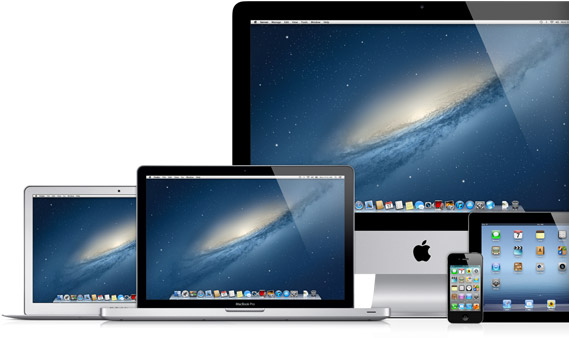
    In 2009 the bulk of the conversation would have been about personal computers, laptops and viruses.

    Last night, malware is still an important topic but almost all of last night’s listener questions were around smartphones and Tony’s questions were on social media.

    That social media and smartphones were the main topics and personal computers — and Windows — were barely mentioned show just how the computer industry has shifted.

    Similar posts:

    • No Related Posts
  • Three screens, four screens, infinite screens

    Three screens, four screens, infinite screens

    This morning I had the opportunity to interview designer of the Fitbit, Gadi Amit, ahead of his visit to Sydney next month.

    I’ll have the full interview written up in the next couple of days, but Gadi made an interesting point about not being in a ‘four screen world’ anymore, but in one where there’s infinite screens ranging from wearable glasses and watches through to smartphones and intelligent signage.

    A few years ago the concept of the ‘third screen’ came into use when we started talking about the smartphone supplementing the PC and the TV, it quickly morphed into four screens as the tablet computer appeared.

    Now the five year old idea of limiting ourselves to three screens seems quaint when there doesn’t seem to be any limits in the way we can view information.

    The end of the three screen theory is an interesting illustration on how quickly technology is moving, it also shows how rapidly business is changing.

    Similar posts:

    • No Related Posts
  • ABC Nightlife Computers – The end of Windows XP

    ABC Nightlife Computers – The end of Windows XP

    Paul Wallbank joins Tony Delroy on ABC Nightlife across Australia to discuss how technology affects your business and life.

    For the March 2014 spot we’ll be looking at the end of Windows XP, Australia’s Privacy Act, the web turning 25 and the call for an Internet Magna Carta.

    If you missed the show, you can listen online at the Tony Delroy’s Nightlife homepage.

    One of the show’s listeners, Linda, called in about asking for Apple Mac security software; two free products for OsX users are Sophos Home Edition and Avira Free. While Macs are less prone to malware than Windows systems, it’s still a good idea to be protected.

    Another listener, Grant, described a problem with his computer which sounds like it’s infected with something. We recommend the free Malwarebytes as the first step to fixing the problem.

    The end of Windows XP

    After 13 years, Microsoft is retiring Windows XP; what does this mean for those of us still using it, or for our banks who still use it in their ATMs? Some of the questions we’ll cover include;

    • why is Microsoft pulling the pin on Windows XP now?
    • what happens on April 8 when Microsoft stops support?
    • are Windows XP users still protected from viruses?
    • what’s this story about bank ATMs running Windows XP?
    • the web turned 25 last week. Didn’t it turn twenty a year or so back?
    • inventor of the web, Tim Berners-Lee, called for an Internet Magna Carta last week; what does he mean?
    • could such an idea work in today’s globalised world?
    • on similar topic, the new Privacy Act came into effect last week; what does this mean for the average person?

    We’d love to hear your views so join the conversation with your on-air questions, ideas or comments; phone in on the night on 1300 800 222 within Australia or +61 2 8333 1000 from outside Australia.

    Tune in on your local ABC radio station from 10pm Eastern Summer time or listen online at www.abc.net.au/nightlife.

    You can SMS Nightlife’s talkback on 19922702, or through twitter to @paulwallbank using the #abcnightlife hashtag or visit the Nightlife Facebook page.

    Similar posts:

    • No Related Posts
  • IT becomes the plumbing

    IT becomes the plumbing

    One of the things that jumped out of last week’s smart city tour in Barcelona is that Nicholas Carr’s IT Doesn’t Matter is coming true — IT is now the plumbing.

    That’s not to depreciate IT, it means the technology is now becoming so embedded in society and business that people no longer notice.

    Like roads, electricity and water people assume it will be available but don’t notice the massive effort or investment required to make sure these services work.

    With cloud computing, pervasive internet and connected devices, most business never need to see an IT worker.

    For telco executives, IT managers and tech support people this is a blow to their egos as they always wanted their industries to be more than utilities.

    In one way being a utility legitimises IT as it makes the industry more important than just a bunch of geeks playing with computers.

    That also means that things have to work, ‘best effort’ services no longer cut it when you’re a utility and things have to work 99.99% of the time. Just like in plumbing.

    Becoming the plumbing could be the best thing that happened to the IT industry.

    Similar posts:

    • No Related Posts
  • Intel’s challenge to find a new message and market

    Intel’s challenge to find a new message and market

    Twenty years ago people cared about the specifications of their computers and chip maker Intel led the industry with its marketing of 486, Pentiums, Pentium Duos and Pentium IIs.

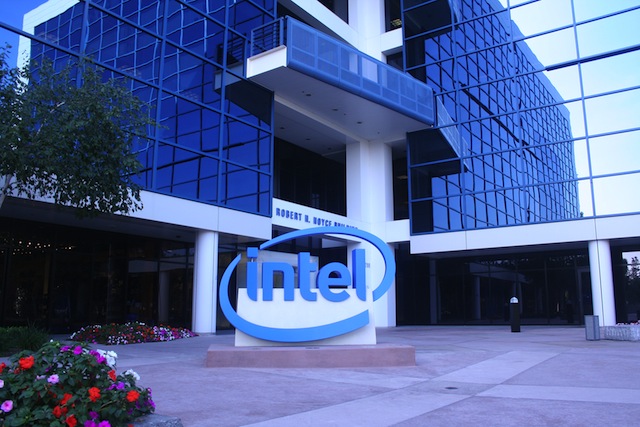
    As we come to the end of the PC era, the consumerisation of technology and the rise of cloud computing mean customers no longer care about what’s inside their systems and Intel is struggling to find a new message.

    Over the last few months Intel have been showing off their latest range of Central Processing Units (CPUs) to enterprise and small to medium business (SMB) groups. Last week the company hosted an SMB event in Sydney that illustrated how Intel is struggling to cut through the market.

    Speaking at the event was Steph Hinds – an evangelist for cloud computing – who told the story of how her Growthwise accounting practice was flooding out during storms.

    Because her systems were on the cloud Steph and her staff were able to work from home and local cafes while the landlord fixed her offices. Had Growthwise been using a server based system the business would have been crippled while her IT people implemented a disaster recovery plan.

    Steph’s story in itself illustrated the Clean, Well Lighted Place argument for cloud computing and also showed how Intel is struggling to sell its PC and server upgrade cycle message in an era where that business model is dead.

    This didn’t stop some of the other speakers at the small business event trying to sell the idea that upgrading computer systems and retaining an IT support company were essential to small business success but it’s a message that was valid a decade ago.

    For Intel the challenge is to find a new message – it may well be that the company’s future lies in supplying the powerful CPUs that run data centres, or maybe the low energy and maintenance chips required to control the billions of intelligent devices that will run the internet of everything.

    The company’s launch of their Galileo board – a tiny computer designed to compete in the intelligent devices market with the likes of the Raspberry Pi – is a step in the latter direction and shows Intel is exploring the possibilities.

    Wherever Intel’s future lies, it doesn’t lie in trying to sell a business model that is quickly going the way of the Brontosaurus.

    During most of the PC era, it was the Wintel partnership that dominated the computer industry, now Microsoft have realised this fundamental market change and started their journey to become a devices and services company.

    The challenge now lies with Intel to decide where their journey will take them in a post PC world.

    Similar posts:

    • No Related Posts