Tag: computing

  • Selling old rope

    Selling old rope

    “Big Data is a fad” announced a speaker at a technology conference. “We’ve had Big Data for years. We used to call it business analytics.”

    He’s right. The IT industry is very good at rebadging technology and the term ‘Big Data’ is just the latest of many examples — the best of which is how ‘cloud computing’ which is largely a rebadging of SaaS, Application Service Providers or client-server.

    While it’s easy to be cynical about this IT industry habit, there is a valid underlying point to this repainting old rope — that the refurbished old string is cheaper and more useful than what came before it.

    The problem for innovators creating accessible, cheaper and faster ways to do things is they risk that their product will be likened to the old, expensive and inaccessible methods. No cloud computing provider wants to be associated with IBM’s expensive client-server products or the flaky Application Service Provider of the dot com era.

    Most innovations aren’t revolutionary, they have evolved out of an older way of doing things. So saying “it’s being done before” when seeing an innovative product may be missing the point.

    In the case of Big Data the principles aren’t new but we’re collecting more data than ever before and the old tools — even if they could manage with the volume of information— are far more expensive than the new services.

    So repainting old rope isn’t always done for purely marketing purposes, sometimes there’s a real benefit to the customers.

    Similar posts:

  • Is Microsoft’s Surface Tablet Vaporware?

    Is Microsoft’s Surface Tablet Vaporware?

    In the early 1990s the term “vapourware” appeared, it was born out of big software vendors announcing mythical products with a whole new bunch of features which the opposition already had.

    Usually that next great product never appeared; it was just a ploy to stop customers defecting to the competition’s superior product.

    There were a number of ways to spot vapourware – the lack of a working prototype, vague release dates and no firm pricing being just three.

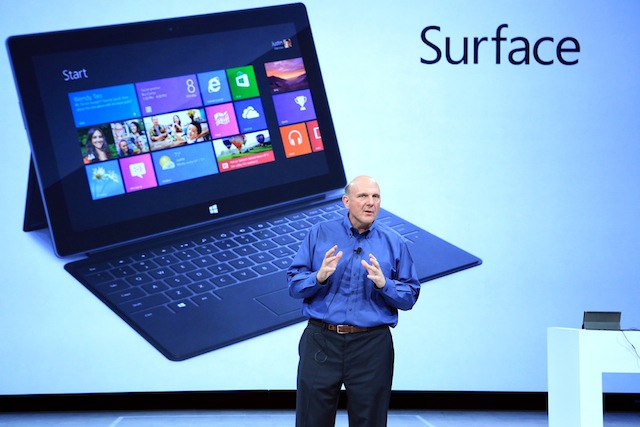
    Earlier this week, Microsoft brought tears to the eyes of grizzled IT industry veterans who missed the days of regular vapourware announcements with the “launch” of their Surface tablet computer.

    After springing the event at short notice on the tech media, forcing the poor petals to travel to Los Angeles rather than their usual haunts of Silicon Valley, Manhattan or Texas and then starting the event late, Microsoft added insult to injury by not even letting the journalists play with a working version of the Surface, let alone take one home to play with.

    One of the impressive things about vapourware are the specifications and this is true with the Microsoft Surface. The specifications of the base model Windows RT are about the same as the base model iPad with the added benefit of a keyboard, USB and Micro SD ports.

    Looking past the hype, it’s clear Microsoft are having trouble with their strategy of a unified operating system across smartphones, tablets and traditional PCs, which has forced them to announce two different versions of the Surface, running different operating systems on different chipsets.

    Having potentially incompatible products makes it even more important for tech journos and early adopters to play with the new devices to see how well they work – that version one of any new product doesn’t work well is another lesson from the 1990s IT industry.

    In the spirit of vapourware, Microsoft hasn’t mentioned what either version of the Surface will cost, which probably indicates they don’t know what the final sticker price will be either.

    Despite being funny, there was a serious side to vapourware – in the 1990s businesses often held off purchasing decisions or upgrades as they waited for promised products or features to arrive.

    While eager customers waited for products that never arrived, their productivity slipped and technologies that should have been adopted earlier ended up coming late to the office desktop.

    For Microsoft investors, the nature of the Surface announcement should be disturbing as the vapourware business tactic only works for incumbents in a strong market position and the software giant is anything but strong in the tablet computer market.

    While it would be good to see a credible competitor to the iPad, it’s going to be difficult to take Microsoft seriously until we see some working versions that we can play with.

    The lessons from the 1990s computer industry are clear – don’t fall for vapourware and buy what works for your business today.

    Similar posts:

  • Forget Plastics, today it’s Big Data

    Forget Plastics, today it’s Big Data

    “Plastics” was the career advice to uni students in the 1967 movie The Graduate. Today the same advice to a smart young entrepreneur would be “big data”.

    Big data is the current buzzword for the IT industry, we’re seeing start-ups with cool tools popping up and whole new job descriptions to manage it, while big and small businesses ponder how to use another technology in their operations.

    At the end of the month, the third of the City of Sydney’s 2012 Let’s Talk Business series will see SmartCompany’s James Thomson among others discussing how data drives business.

    How we use data in our business is something we’ve had to come to grips with for ages, but many of us haven’t really started to find those nuggets of value in our databases.

    We’ve actually been in the era of big data for decades since computers were introduced in the workplace. One thing that PCs do very well is gather and store information.

    Today computerised point-of-sales systems, database software, loyalty programs and web-tracking tools mean we have a massive amount of data about our clients at our fingertips.

    As computers get more powerful and cloud-based services start making detailed data analysis more available, we’re going to see even more data pouring into our businesses.

    Social media services add to the data deluge as they gather, giving even more intelligence about our markets, individual customers and the performance of our businesses.

    The problem is that many of us are already overwhelmed by what we have. The thought of even more data we can’t use causes many managers and business owners to hide under their desks and weep.

    An article in the MIT’s Technology Review about Peter Fader, co-director of the Wharton Customer Analytics Initiative at the University of Pennsylvania looked at this problem.

    Professor’s Fader’s view is that most businesses have enough data – the problem is managing what we have, along with the risk of trying to extrapolate too much from historical information.

    To deal with this overload we’re seeing companies like Kaggle starting-up to help us mine this data and get useful information about our businesses and customers.

    What these data-mining companies are promising is the ability to see the patterns in what appears to be just a mass of confusing data.

    Already we’re seeing businesses that can connect the dots get a head start on their slower competitors who don’t appreciate the value locked in their databases and CRMs.

    Making sense of the data we’re accumulating is the real challenge. If we’re not paying attention to what we already have then there’s little point in gathering more.

    Tickets for How Your Customer Data Can Drive New Business at the Sydney Town Hall on May 29 are still available.

    Similar posts:

  • The irrelevant operating system

    The irrelevant operating system

    Last decade, people queued around the block to buy the latest version of Windows, today no-one cares. What next for a market that has become commoditised?

    When you visit a website your browser reports, among other things, what type of system you’re using. Net Applications – a US based web monitoring company who analyse online browsing statistics – keep a regularly updated list of what people are using when surfing the net.

    On their latest statistics, Windows XP finally fell below 50% in September 2011, just on ten years after it was released. Windows 7 is taking over from XP while Apple steadily gain market share.

    These statistics show how the operating system has become irrelevant, only really dedicated geeks really care anymore about their version of Windows or whether a computer is running an Apple Mac or Microsoft product.

    As most computer users are drifting to cloud computing services and consumers are increasingly using their PCs to access online games and social media sites, it doesn’t really matter anymore what systems are used as long as they work.

    For many in the computer industry, this is a problem as they desperately want to sell a product in a market that has become commoditised. It’s another example of the PC industry’s broken business model.

    It’s not just the computer industry with this problem, the 3D TV hype of 2010 was a desperate attempt to sell new television sets in a market that had stalled; recession hit consumers had no desire to replace their perfectly good TVs that were less than a decade old, just like Windows XP users.

    This year’s Consumer Electronics Show that launches in Las Vegas this week will see similar desperation as the various PC and mobile phone manufacturers trying to generate excitement about their new products.

    For the journalists and PR folk at the CES the problem is customers largely don’t care anymore. As the failure of 3D TV illustrates, consumers aren’t buying the hype.

    Just as with operating systems, most customers want something that works, if you’re going to get them to replace older proven technology you’ll have to show where the new product adds value.

    The era of products flying off the shelves because they are new and shiny is over – just ask Microsoft about it’s operating systems.

    Similar posts: